Agate Fossil Beds National Monument
Fast Facts
Agate Fossil Beds National Monument
Deep within the vast, windswept prairies of the Nebraska Panhandle, Agate Fossil Beds National Monument preserves two distinct and remarkable legacies. On one hand, it is one of the world's most significant sites for Miocene epoch fossils, where paleontologists in the early 20th century unearthed a "lost world" of extinct mammals that lived some 20 million years ago. On the other hand, the monument protects a profound cultural history—the "Age of Friendship" between rancher James Cook and Chief Red Cloud of the Oglala Lakota, a relationship built on mutual respect during a period of intense conflict on the Great Plains.
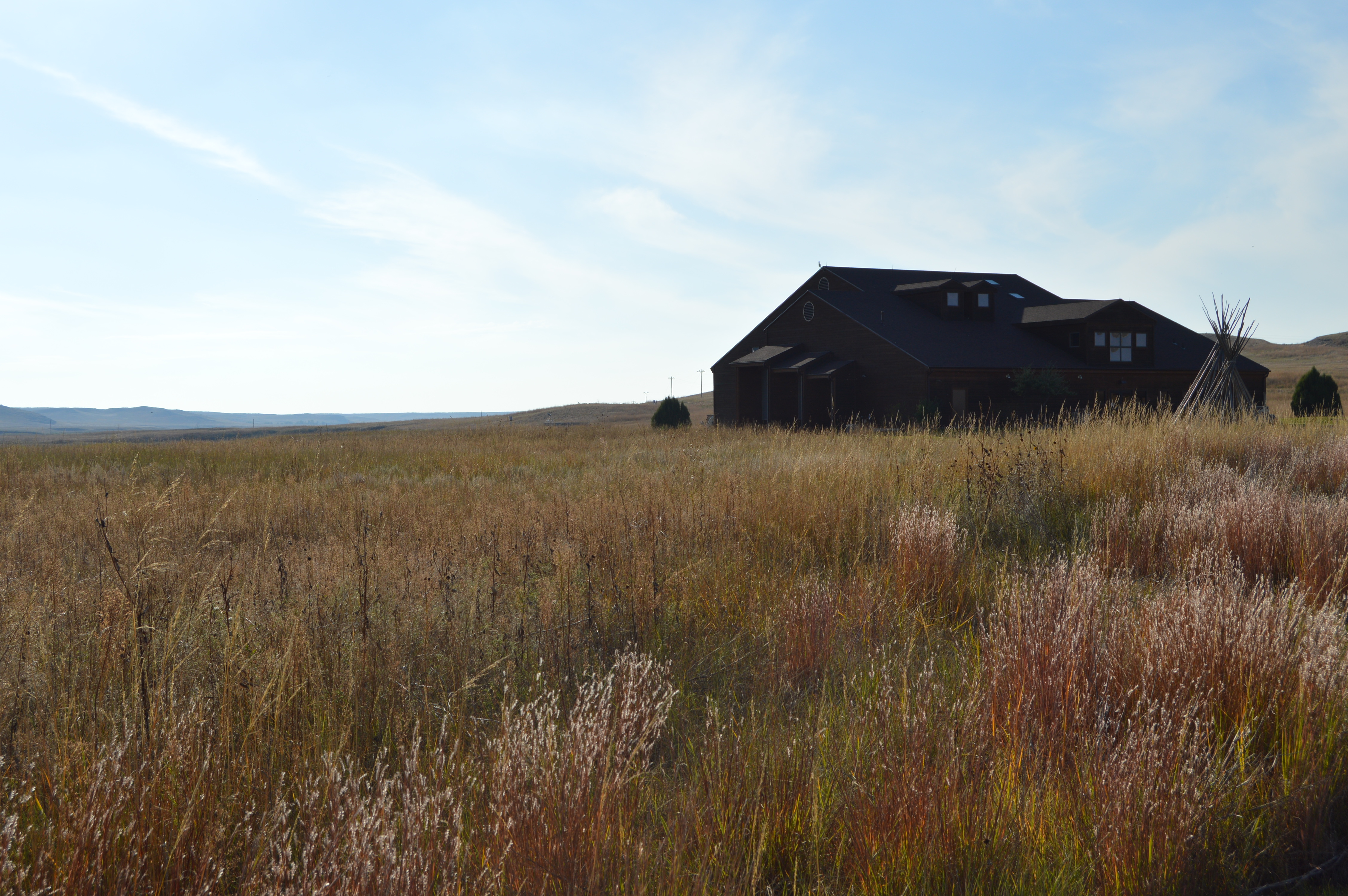
The landscape at Agate is a sea of mixed-grass prairie, broken by the Niobrara River and the distinctive "Fossil Hills" that rise above the valley floor. It was in these hills that complete skeletons of strange, extinct creatures like the Menoceras (a pony-sized rhinoceros) and the Moropus (a clawed, horse-like mammal) were first discovered. Unlike many fossil sites where bones are scattered, the concentrations at Agate were so dense that they provided scientists with an unprecedented look at entire populations of ancient species.
Beyond the scientific wonders, the visitor center houses the James H. Cook Collection, a world-class assemblage of American Indian artifacts. These items were not purchased or plundered; they were personal gifts given to the Cook family by Red Cloud and other Lakota leaders who found refuge and hospitality at the Agate Springs Ranch. Today, the monument offers a quiet, contemplative environment where visitors can hike through history, witness the power of the prairie, and reflect on the intersection of scientific discovery and human connection.
Key Highlights
- The Fossil Hills Trail: Hike the 2.8-mile paved loop that takes you to the historic excavation sites where the Miocene mammals were first unearthed.
- The Red Cloud Collection: View a stunning array of Lakota artifacts, including intricately quilled shirts and pipes, given as gifts of friendship.
- Daemonelix "Corkscrews": See the unique spiraling fossils of ancient land beavers (Palaeocastor) on the 1-mile Daemonelix Trail.
- Miocene Mammal Diorama: Face the "apex" predator of the Miocene, the Dinohyus (or "Terrible Pig"), and other full-scale skeletons in the visitor center.
- Junior Ranger Program: An engaging way for kids to learn about paleontology, Lakota culture, and prairie ecology.
- Birdwatching in the Valley: Spot golden eagles, hawks, and numerous grassland birds that thrive in the Niobrara River riparian zone.
- Stargazing: Experience some of the darkest night skies in the continental United States, perfect for viewing the Milky Way.
Getting There
Agate Fossil Beds is a remote destination, and the journey is part of the experience, offering vast views of the Nebraska High Plains.
From the North (Harrison, NE): Travel approximately 22 miles south on State Highway 29. Turn east onto River Road (paved) and continue for three miles to reach the visitor center.
From the South (Mitchell, NE): Head north for 34 miles on State Highway 29. Turn east onto River Road and drive three miles to the park entrance.
From the East (State Hwy 71): For those coming from Marsland or the east, you can take River Road. Note that a 25-mile portion of this road is unpaved (gravel/dirt). While typically passable for passenger cars, it can be muddy or hazardous after heavy rain or snow.
Nearest Airports: The closest regional airport is Western Nebraska Regional Airport (BFF) in Scottsbluff, about 50 miles to the south. For major international flights, Denver International Airport (DEN) is the most common gateway, located approximately 250 miles (a 4-hour drive) to the southwest.
By Car: A personal vehicle is essential for visiting Agate Fossil Beds, as there is no public transportation or shuttle service to this remote location. Ensure your gas tank is full before leaving Harrison or Mitchell, as there are no fuel services near the park.
For specific road conditions and maps, you can visit the official directions page.
Best Time to Visit
The Nebraska prairie is a land of extremes. Your experience will vary greatly depending on the time of year you choose to visit.
Spring: Spring is a season of transition and can be unpredictable. Late spring often brings the heaviest snowfalls to the region. However, as the snow melts, the prairie turns a vibrant green, and the wildflowers begin to bloom. Temperatures can range from freezing to the 60s. This is a great time for birdwatching as migratory species return to the Niobrara Valley.
Summer: Summer is the most popular time to visit, but it can be intensely hot, with temperatures frequently reaching the upper 90s or even 100 degrees Fahrenheit. Afternoon thunderstorms are common and can produce spectacular lightning displays and heavy rain. It is highly recommended to hike the trails in the early morning to avoid the peak heat and the risk of storms.
Fall: Autumn is arguably the best time to visit the High Plains. The temperatures cool down into a pleasant range (60s and 70s), and the prairie grasses turn to shades of gold and bronze. The air is typically very clear, providing limitless views of the horizon. Humidity is low, making it ideal for the longer hike on the Fossil Hills Trail.
Winter: Winter at Agate is harsh and solitary. Temperatures can dip as low as -20 degrees Fahrenheit, accompanied by strong, biting winds. Snow and ice can lead to road closures in this remote area. While the trails remain open for those prepared for the conditions, the visitor center may have seasonal hours or closures during extreme weather. The stark beauty of the snow-covered hills is impressive but requires careful preparation.
Activities and Adventures
There are many ways to explore the natural and cultural history of the monument beyond the visitor center exhibits.
Hiking the Fossil Hills Trail: This 2.8-mile paved trail is the park's centerpiece. It winds through the prairie and up into the hills where the famous fossils were found. Interpretive signs along the way explain the geology and the specific animals discovered here. The views from the top of the hills offer a panoramic perspective of the Niobrara River valley.
Daemonelix Trail: This shorter, 1-mile loop is located near the park entrance. It features the "corkscrew" fossils, which were long a mystery to scientists until they were identified as the fossilized burrows of prehistoric land beavers. The trail also showcases ancient soil layers and geological formations.
Museum Exploration: The visitor center is a must-visit. It houses full skeletons of Miocene mammals that were meticulously reconstructed. The James H. Cook collection is equally impressive, featuring a wide variety of Lakota artifacts, including the famous buckskin shirt worn by Chief Red Cloud.
Junior Ranger Program: Kids can become Agate Fossil Beds Junior Rangers by completing a workbook. The tasks involve exploring the trails, observing the wildlife, and learning about the different "ages" of the park. It's a great way to make the history accessible to younger visitors.
Photography: The vast landscapes, dramatic storm clouds, and unique geological features make Agate a paradise for photographers. The "golden hour" just before sunset is particularly beautiful on the prairie.
Wildlife Watching: Keep your eyes peeled for pronghorn (the fastest land animal in North America), mule deer, and coyotes. The prairie dog town near the entrance is always a hub of activity. Birders should look for western meadowlarks (the state bird), burrowing owls, and prairie falcons.
History & What to See
Agate Fossil Beds is a place where deep time and recent history converge in fascinating ways.
The Miocene Epoch: Approximately 20 million years ago, this area was a vast savanna. The fossils found here tell the story of a period when the climate was changing, leading to the extinction of many species. The Menoceras, a small rhinoceros, is the most common fossil found in the hills. Other creatures include the Moropus, which looks like a cross between a horse and a sloth, and the Dinohyus, a massive, scavenger-like mammal with a skull nearly a yard long.
James Cook and Chief Red Cloud: James Cook settled the Agate Springs Ranch in the 1880s. He developed a deep friendship with Chief Red Cloud, the famed Oglala Lakota leader. Red Cloud and his people were frequent guests at the ranch, a rare occurrence during a time when Native Americans were being restricted to reservations. This relationship was based on mutual trust and cultural exchange, resulting in the preservation of many priceless Lakota artifacts that are now on display at the monument.
Discovery of the Fossil Hills: In the early 1900s, paleontologists from institutions like the Carnegie Museum and the University of Nebraska began excavating the hills. They found what are known as "bone beds"—thick layers of fossils that represent animals that died during periods of severe drought near ancient water holes. These discoveries revolutionized our understanding of mammalian evolution in North America.
The Daemonelix Mystery: For years, the spiraling "Devil's Corkscrews" found in the cliffs were a scientific enigma. Some thought they were fossilized giant plants or sponges. Eventually, a skeleton of a small beaver, Palaeocastor, was found at the bottom of one of the spirals, proving that they were actually the casts of burrows. The spiraling shape helped the beavers maintain a consistent temperature and humidity within the burrow.
Lodging and Camping
Because of its remote location, visitors should plan their overnight stays carefully.
In-Park Camping: There are no campgrounds or lodging facilities within Agate Fossil Beds National Monument.
Nearby Camping: The nearest public campgrounds are at Toadstool Geologic Park (Oglala National Grassland) and Fort Robinson State Park, both located near Harrison, NE, about 45-60 minutes away. These sites offer a range of amenities from primitive tent sites to full RV hookups.
Hotel Accommodations: Harrison, NE (25 miles north) has a few small motels and guesthouses. For a wider range of hotels, restaurants, and services, Scottsbluff and Gering, NE (50 miles south) provide the best options.
Food and Supplies: There are no food services within the park. It is highly recommended to bring a picnic lunch and plenty of water. The visitor center has a small area with picnic tables.
Essential Information
Park Fees and Passes
- Entrance Fee: There is no entrance fee to visit Agate Fossil Beds National Monument.
- Programs: Most ranger-led programs and museum access are provided free of charge to the public.
Safety Considerations
- Rattlesnakes: Prairie rattlesnakes are native to the area. They are generally shy but will defend themselves if stepped on or cornered. Stay on paved trails and keep a close eye on where you are stepping.
- Heat and Hydration: The High Plains sun is intense, and the air is dry. Carry and drink plenty of water, even if you don't feel thirsty. Use sunscreen and wear a wide-brimmed hat.
- Severe Weather: Summer storms can be violent, with lightning and hail. If you hear thunder or see lightning, return to your vehicle or the visitor center immediately.
- Isolation: You are in a remote area with limited cell service. Ensure someone knows your travel plans and your vehicle is in good working order.
Services and Facilities
The visitor center is fully accessible and includes a museum, theater, and bookstore. Restrooms and water fountains are available inside. The Fossil Hills Trail is paved and accessible to wheelchairs and strollers, though there are some moderate grades. The Daemonelix Trail is unpaved and may be difficult for those with mobility impairments.
Contact
- Phone: 308-665-4113
- Email: [email protected]
- Official site: https://www.nps.gov/agfo/index.htm
Agate Fossil Beds National Monument is a hidden gem of the National Park System. It offers a rare opportunity to step back millions of years into the past while also reflecting on a unique and hopeful chapter of American frontier history. The silence of the prairie and the weight of the history found here make it a profoundly moving destination for those willing to make the journey.
Park Overview
Detailed overview of the park's history, geography, and main attractions will go here. This section provides essential background information for visitors.
Top Hikes
- Iconic Summit TrailDifficulty: Strenuous • Distance: 8 miles round trip
Loading reviews…
- Waterfall LoopDifficulty: Moderate • Distance: 3 miles loop
Loading reviews…
- Lakeside WalkDifficulty: Easy • Distance: 1.5 miles out & back
Loading reviews…
Recommended Hiking Gear
Gear up for your adventure with our trusted partners. These items help support the site at no extra cost to you!

Places to Stay
- Historic Park LodgeBook early!Type: Lodge
Loading reviews…
- Riverside CampgroundReservations required.Type: Campground
Loading reviews…
- Gateway Town Hotel15 miles from entrance.Type: Nearby Hotel
Loading reviews…