Apostle Islands National Lakeshore
Fast Facts
Apostle Islands National Lakeshore
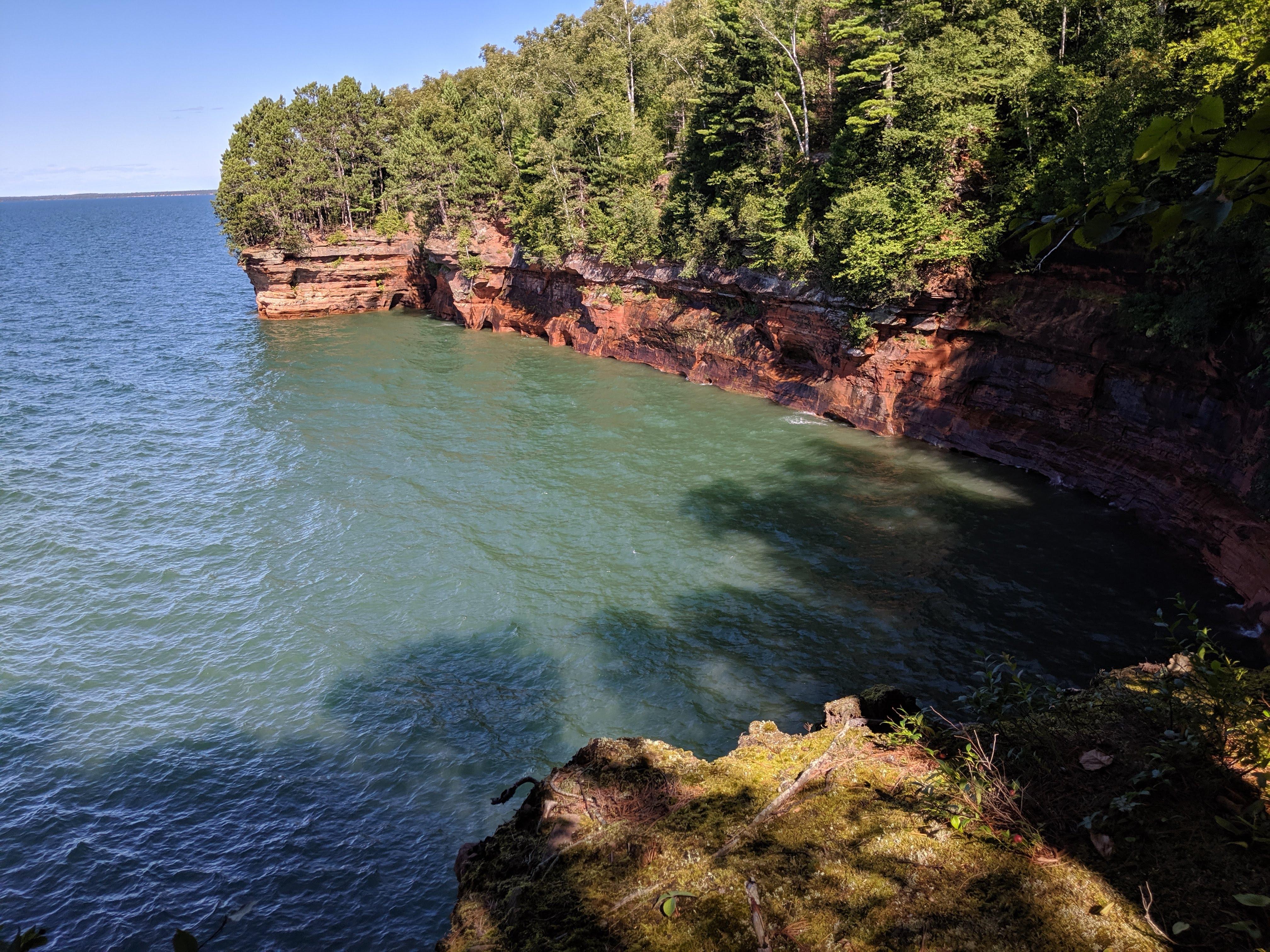
Along the northernmost tip of Wisconsin, where the Bayfield Peninsula reaches into the vast expanse of Lake Superior, lies the Apostle Islands National Lakeshore. This stunning park encompasses 21 islands—the "Jewels of Superior"—and a 12-mile stretch of mainland shoreline, offering a maritime wilderness experience unlike any other in the Great Lakes region. Established in 1970, the park protects a unique blend of natural and cultural wonders, from the intricate red sandstone sea caves to the most extensive collection of historic lighthouses in the United States.
The islands are a study in the power of water. For millennia, the relentless waves of Lake Superior have carved the iron-rich sandstone of the archipelago into a labyrinth of arches, pillars, and hidden chambers. These sea caves are a major draw for kayakers and boaters in the summer and, during rare winters when the ice is thick enough, hikers who walk across the frozen lake to witness the caves transformed into palaces of ice. Beyond the geological marvels, the islands are a sanctuary for the Ojibwe people, who have called this region Gichi-gamiing for generations and whose connection to the land and water remains a vital part of the park’s cultural identity.
Visiting the Apostle Islands is an invitation to leave the modern world behind. Most of the park is accessible only by water, requiring a boat, a kayak, or a ferry ride to reach the remote beaches and lighthouse stations. Whether you are sailing between the islands, hiking through the boreal forests of Stockton Island, or climbing the spiral stairs of the Raspberry Island Lighthouse, the park provides a profound sense of isolation and discovery. It is a place where the weather is dictated by the world’s largest freshwater lake, and where the natural sounds of the wind and waves are the only constant.
Key Highlights
- The Sea Caves: Explore the intricate arches and passageways of the mainland sea caves near Cornucopia or the island caves on Devils and Sand Islands.
- Historic Lighthouses: Visit the largest collection of lighthouses in the National Park System, including the meticulously restored Raspberry Island station.
- Julian Bay Beach: Relax on the spectacular "singing sands" of Stockton Island, known for its pristine beauty and the unique sound the sand makes underfoot.
- Kayaking the Archipelago: Experience one of the premier sea kayaking destinations in the world, paddling through clear water and exploring hidden coves.
- Meyers Beach Sea Cave Trail: Hike the 4.5-mile round-trip trail along the mainland cliffs for an aerial view of the spectacular sea cave formations.
- Island Camping: Spend the night at one of the many primitive campsites scattered across 18 of the 21 islands, accessible only by water.
- Sailing and Boating: Navigate the protected waters of the "Apostles," a favorite destination for Great Lakes sailors for over a century.
Getting There
The Apostle Islands National Lakeshore is located in northern Wisconsin, with the gateway town of Bayfield serving as the primary hub for visitor services.
By Car:
- From Duluth, MN: Travel approximately 75 miles east on U.S. Highway 2. Turn north on Wisconsin Highway 13 toward Washburn and Bayfield.
- From Minneapolis, MN: Travel approximately 210 miles northeast via I-35 to Duluth, then follow the directions above.
- From Madison, WI: Travel approximately 320 miles north via I-39/U.S. 51 to U.S. 2 West, then take Wisconsin Highway 13 North.
- Visitor Center Location: The main headquarters and visitor center are located at 415 Washington Avenue, Bayfield, WI 54814.
Nearest Airports:
- Duluth International Airport (DLH): The closest regional airport, located about 1.5 to 2 hours away.
- Minneapolis-Saint Paul International Airport (MSP): The nearest major international hub, approximately 4 hours away.
By Water:
- Apostle Islands Cruise Service: This authorized concessionaire offers various boat tours of the islands and a shuttle service to several of the islands, including Stockton and Oak Islands.
- Private Craft: Many visitors arrive with their own powerboats or sailboats. There are several marinas in Bayfield, Washburn, and Madeline Island (which is not part of the National Lakeshore but is the largest of the Apostle Islands).
- Sea Kayak: For experienced paddlers, launching from Meyers Beach or Little Sand Bay is common. However, crossing to the islands requires specialized gear and advanced skills due to the dangerous conditions of Lake Superior.
Public Transit: There is no traditional public transportation that serves the park directly. A personal vehicle is needed to reach the mainland trailheads and boat launches.
For detailed ferry schedules and marine navigation maps, visit the official park directions page.
Best Time to Visit
The "Gitchigami" (Lake Superior) dictates the seasons in the Apostle Islands, and the water remains cold year-round.
Spring (May - June): Spring is a season of awakening and frequent fog. The hardwood forests of the islands bloom with wildflowers, and migratory birds return to the archipelago. However, Lake Superior is at its coldest (often in the 40s), and sudden storms can make boating hazardous. Many park services and lighthouse tours do not begin until mid-to-late June.
Summer (July - August): This is the peak season for almost all activities. The weather is typically warm (70s and 80s), and the lake is at its most inviting for boating, kayaking, and swimming (though the water rarely exceeds the mid-60s). This is the only time of year when guided lighthouse tours are guaranteed. Reservations for camping and ferries should be made months in advance.
Fall (September - October): Many consider September the best time to visit. The crowds thin out, the mosquitoes disappear, and the fall colors on the islands are spectacular. The air is crisp and clear, providing excellent visibility for sailors. However, "Gales of November" can start early in October, bringing massive waves and dangerous conditions.
Winter (December - March): Winter turns the park into a world of ice and snow. Activities include snowshoeing and cross-country skiing. If the ice reaches a sufficient thickness and stability, the "Ice Caves" at Meyers Beach may open for walking access. This is a rare and spectacular event that draws thousands of visitors, but it is entirely dependent on the weather and the strength of the ice.
Operating Hours: The park grounds are open 24 hours a day year-round. The visitor centers in Bayfield and at Little Sand Bay are primarily seasonal, operating during the summer and early fall months.
Activities and Adventures
The Apostle Islands offer a wide range of maritime and wilderness adventures for those willing to get out on the water.
Kayaking the Sea Caves: This is the park’s most iconic activity. Sea kayaking allows for an intimate exploration of the arches and caves that larger boats cannot reach. It is essential to use a proper sea kayak (not a recreational or sit-on-top kayak) and to monitor the marine forecast constantly. Several outfitters in Bayfield offer guided day trips and multi-day island excursions.
Lighthouse Exploration: The park is a paradise for maritime history buffs. Six lighthouse stations and one light tower are located throughout the islands. Raspberry Island is the most accessible and offers guided tours by rangers during the summer. Devils Island features the most spectacular sea caves and a stunning lighthouse with its original Fresnel lens.
Island Hiking: While the park is famous for its water, the islands feature more than 50 miles of trails. Stockton Island offers a variety of paths through pine barrens and along the sandy shoreline of Julian Bay. Oak Island, the highest in the archipelago, features more strenuous hikes with incredible overlooks of the surrounding islands.
Camping: Camping on the islands is a true wilderness experience. There are 18 islands that offer either designated individual sites or primitive camping zones. Stockton Island is the most popular for its large campground and facilities. Permits are required for all camping and can be reserved through Recreation.gov.
Sailing and Boating: The protected channels between the islands provide some of the best freshwater sailing in the world. Numerous boat tours also offer sightseeing cruises that take visitors past the lighthouses and sea caves without requiring them to operate their own craft.
Fishing: Lake Superior offers world-class fishing for lake trout, salmon, and whitefish. A Wisconsin fishing license is required, and anglers must follow all state and federal regulations.
Junior Ranger Program: Children can participate in a program that focuses on maritime safety, lighthouse history, and the ecology of Lake Superior. Completing the activities earns them a Junior Ranger badge.
History & Culture
The history of the Apostle Islands is a story of human adaptation to a powerful inland sea.
Ojibwe Heritage: The Ojibwe (Chippewa) people have lived in the Lake Superior region for centuries. The islands are a central part of their migration story, and Madeline Island (Mooningwanekaaning) is considered a spiritual home. The park works closely with the Red Cliff and Bad River Bands to ensure their ongoing connection to the islands is respected and preserved.
Maritime History and Lighthouses: As the Great Lakes shipping industry boomed in the 19th century, the Apostle Islands became a critical—and dangerous—navigation point. Between 1856 and 1891, a series of lighthouses was built to guide ships carrying iron ore, lumber, and grain. These stations were often staffed by families who lived in extreme isolation, particularly during the fierce storms of the fall.
Logging and Industry: In the late 1800s, many of the islands were heavily logged for their virgin hemlock and pine. Several islands also hosted sandstone quarries, providing the "brownstone" used in the architecture of cities like Chicago and New York. Today, the forests have regrown, and the remains of these industries are being reclaimed by nature.
Conservation and Protection: The push to protect the Apostle Islands began in the 1960s, led by Wisconsin Senator Gaylord Nelson. His vision was to preserve the islands as a wilderness area for future generations. The park's establishment in 1970 was a major victory for the burgeoning environmental movement.
Lodging and Camping
Staying in the Apostle Islands requires planning, as there is no traditional lodging within the park itself.
In-Park Camping: Camping is available on 18 of the islands. Sites range from "group sites" with some amenities like vault toilets and bear lockers to completely primitive "backcountry zones." All sites require a permit and a reservation.
Nearby Accommodations: The town of Bayfield is a charming destination with many historic inns, bed and breakfasts, and guesthouses. Washburn and Cornucopia also offer local lodging. For more traditional hotels and services, the city of Ashland (25 miles south) provides the most options.
Dining: Bayfield is famous for its "whitefish livers" and other fresh Lake Superior fish. The town has numerous restaurants and cafes, as well as several local orchards that are famous for their apples and berries in the late summer and fall.
Essential Information
Park Fees and Passes
- Entrance Fee: There is no fee to enter the Apostle Islands National Lakeshore.
- Camping Fees: A fee is required for all camping, ranging from $15 to $30 per night. Reservations must be made through Recreation.gov.
- Boat Launch Fees: Some mainland boat launches, such as Meyers Beach, require a daily parking/launch fee.
Safety Considerations
- Lake Superior Weather: The lake creates its own weather. Sudden squalls, dense fog, and 60-degree temperature drops can occur in minutes. Always check the marine forecast before leaving the shore.
- Water Temperature: The water is cold enough to cause hypothermia year-round. If you are kayaking, you should "dress for the swim" by wearing a wetsuit or drysuit.
- Bear Safety: Black bears are present on many of the islands, particularly Stockton and Sand Islands. You must store all food and trash in the provided bear lockers or use bear-resistant containers.
- Sea Cave Safety: Entering the caves is dangerous when there are significant waves. Never enter a cave if the water is rough or if there is a strong surge.
Services and Facilities
The Bayfield Visitor Center is fully accessible and includes a museum and theater. The Little Sand Bay visitor area has a beach, picnic area, and the historic Hokenson Brothers Fishery. Most island facilities are primitive and have limited accessibility.
Contact
- Phone: 715-779-3397
- Email: [email protected]
- Official site: https://www.nps.gov/apis/index.htm
Apostle Islands National Lakeshore is a place that demands respect and offers profound rewards. Whether you are watching a sunrise over Julian Bay or paddling through the silent arches of Devils Island, the park provides an encounter with the raw beauty and power of the Great Lakes that will stay with you long after you return to the mainland.
Park Overview
Detailed overview of the park's history, geography, and main attractions will go here. This section provides essential background information for visitors.
Top Hikes
- Iconic Summit TrailDifficulty: Strenuous • Distance: 8 miles round trip
Loading reviews…
- Waterfall LoopDifficulty: Moderate • Distance: 3 miles loop
Loading reviews…
- Lakeside WalkDifficulty: Easy • Distance: 1.5 miles out & back
Loading reviews…
Recommended Hiking Gear
Gear up for your adventure with our trusted partners. These items help support the site at no extra cost to you!

Places to Stay
- Historic Park LodgeBook early!Type: Lodge
Loading reviews…
- Riverside CampgroundReservations required.Type: Campground
Loading reviews…
- Gateway Town Hotel15 miles from entrance.Type: Nearby Hotel
Loading reviews…