Big Cypress National Preserve
Fast Facts
Big Cypress National Preserve
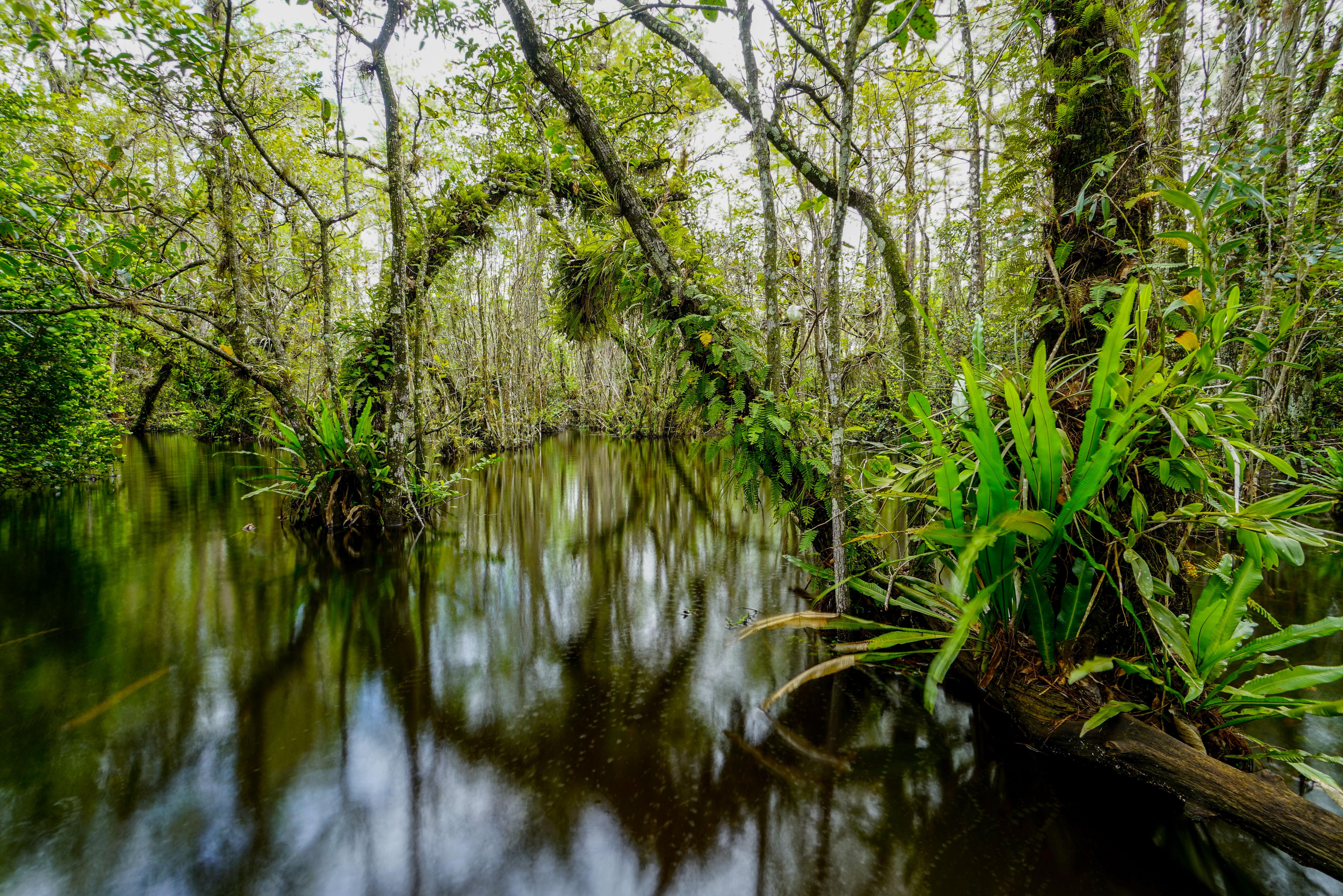
In the heart of South Florida, Big Cypress National Preserve protects a staggering 729,000 acres of a vast, freshwater swamp ecosystem that is vital to the health of the neighboring Everglades and the surrounding marine estuaries. Established in 1974 as the first national preserve in the National Park System, this landscape is a complex tapestry of tropical and temperate plant communities. From the iconic bald cypress trees that give the preserve its name to the expansive wet prairies and pinelands, Big Cypress is a study in biological diversity and hydrological essentiality.
The preserve is often described as the "heart" of the Everglades' water system. The slow-moving sheet of freshwater that flows across this flat landscape provides the lifeblood for countless species, including the elusive and endangered Florida panther. Unlike a traditional national park, the "preserve" designation allows for a wider range of activities, including sustainable hunting, off-road vehicle use, and traditional subsistence by the Miccosukee and Seminole tribes. This unique management style ensures that the land remains a living, working landscape while protecting some of the most significant natural resources in the United States.
Visiting Big Cypress is an invitation to explore a world that feels both ancient and mysterious. Whether you are paddling through the mangrove tunnels of the Turner River, driving the scenic Loop Road through deep swamp forests, or gazing at the Milky Way in one of the darkest spots in the eastern U.S., the preserve offers a profound connection to the wild heart of Florida. It is a place where the rhythmic sounds of the cicadas and the occasional splash of an alligator remind visitors of the raw, untamed beauty that still exists on the edge of the modern world.
Key Highlights
- Florida Panther Habitat: Explore one of the last strongholds for the endangered Florida panther, a majestic cat that relies on the preserve's vast interconnected wilderness.
- Scenic Loop Road: Drive the 24-mile gravel road that winds through deep cypress forests, offering some of the best wildlife viewing opportunities in the state.
- International Dark Sky Park: Experience incredible night skies and stargazing programs in a region designated for its exceptional lack of light pollution.
- Paddling the Turner River: Kayak or canoe through a variety of ecosystems, ranging from open sawgrass prairies to tight, canopy-covered mangrove tunnels.
- Swamp Buggy Tours: Join a guided tour on a specialized off-road vehicle to reach the remote interior of the swamp that is otherwise inaccessible.
- Orchid and Airplant Diversity: Discover an incredible array of epiphytic plants, including the rare ghost orchid, which thrive in the humid atmosphere of the cypress strands.
- Alligator Viewing: Spot American alligators of all sizes basking along the banks of the Tamiami Trail and the preserve's numerous canals.
Getting There
Big Cypress National Preserve is located in South Florida, spanning across the center of the peninsula between Miami and Naples.
By Car:
- From Miami: Travel west on US Highway 41 (Tamiami Trail East) for approximately 50-60 miles. The preserve’s eastern entrance and the Nathaniel P. Reed Visitor Center are easily accessible from this main highway.
- From Naples: Travel east on US Highway 41 (Tamiami Trail East) for approximately 35-40 miles to reach the Oasis Visitor Center.
- Via I-75 (Alligator Alley): You can also access the northern parts of the preserve via several exits on I-75, though most visitor services are located along the Tamiami Trail.
- Main Visitor Centers:
- Oasis Visitor Center: 33100 Tamiami Trail East, Ochopee, FL 34141.
- Nathaniel P. Reed Visitor Center: 33000 Tamiami Trail East, Ochopee, FL 34141.
Nearest Airports:
- Miami International Airport (MIA): Located about 1 hour and 15 minutes to the east.
- Southwest Florida International Airport (RSW): Located in Fort Myers, approximately 1 hour and 30 minutes to the northwest.
Public Transit: There is no direct public transportation or shuttle service to Big Cypress. A personal or rental vehicle is essential for exploring the preserve’s vast geography and reaching the various trailheads and launch points.
Navigation Tip: The Tamiami Trail is a two-lane road that runs through the heart of the preserve. Be mindful of wildlife crossing the road, especially at dawn and dusk.
For more detailed maps and coordinates, visit the official park directions page.
Best Time to Visit
South Florida experiences two predominant seasons: the wet season and the dry season. Your experience will change dramatically depending on when you visit.
Dry Season (November - April): This is the most popular time to visit. The weather is pleasant, with temperatures ranging from the 50s to the 70s. As water levels fall, wildlife—including alligators, wading birds, and panthers—concentrates around the remaining deep-water holes, making them much easier to spot. This is the best season for hiking, camping, and attending ranger-led programs.
Wet Season (May - October): The wet season brings high heat, intense humidity, and daily afternoon thunderstorms. Temperatures frequently reach the mid-to-high 80s and 90s. The swamp becomes truly flooded, and the mosquito population can be overwhelming. While this is a challenging time for humans, it is when the preserve is at its most vibrant and ecologically active. If you visit in the summer, be prepared for "swamp walking" and carry industrial-strength insect repellent.
Operating Hours: The preserve is open 24 hours a day, 365 days a year. The visitor centers have standard daytime hours, typically 9:00 AM to 4:30 PM, but are closed on Christmas Day. No fee is charged for general access to the preserve.
Activities and Adventures
Big Cypress offers a wide range of recreational opportunities that allow for both motorized and non-motorized exploration.
Driving the Backroads: For many, the 24-mile Loop Road and the 17-mile Birdon/Wagon Wheel/Mainline Road circuit are the highlights. These unpaved roads take you deep into the cypress strands where you can see alligators, turtles, and a vast array of birds right from your vehicle.
Paddling: The Turner River and Halfway Creek paddling trails are world-class. Starting in open prairies, the trails narrow into spectacular "mangrove tunnels" where the trees form a dense canopy over the water. Always check water levels at the visitor center before launching, as sections can become impassable in the dry season.
Hiking and Swamp Walking: The preserve contains a section of the Florida National Scenic Trail. For a unique experience, join a ranger-led "slough slog" or swamp walk. This involves wading into the shallow, clear waters of a cypress strand to see the orchids and airplants up close. It is a transformative experience that changes many people's perception of the "swamp."
Off-Road Vehicle (ORV) Use: Big Cypress is one of the few NPS units that allows ORVs, including swamp buggies and ATVs. This requires a specific permit and an inspection of the vehicle. It is a traditional way to access the remote backcountry for hunting and exploration.
Stargazing: As an International Dark Sky Park, Big Cypress offers some of the best views of the night sky in the eastern United States. During the dry season, rangers often host "Night Sky" programs with telescopes and laser-guided constellation tours.
Junior Ranger Program: Children can earn a badge by completing an activity book that focuses on the water cycle, the Florida panther, and the importance of the cypress swamp.
Photography: The preserve is a paradise for nature photographers. The soft light of a misty morning in the cypress forest, the vibrant colors of tropical flowers, and the dramatic silhouettes of palm trees at sunset provide endless inspiration.
Wildlife & Ecosystems
The significance of Big Cypress lies in its position as a biological crossroads.
The Five Ecosystems: Within the preserve, five distinct habitats exist in close proximity: hardwood hammocks, pinelands, prairies, cypress strands, and mangrove estuaries. The presence or absence of water by just a few inches of elevation determines which plants will grow, creating a complex and fragile mosaic of life.
The Florida Panther: One of the most endangered mammals on Earth, the Florida panther relies on the large, unfragmented landscape of Big Cypress. The preserve provides the space and the prey base (deer and hogs) necessary for the panther's survival. While sightings are rare, the knowledge that they are present adds a layer of wildness to every visit.
The Alligator: The American alligator is the "architect" of the swamp. During the dry season, alligators dig out "gator holes" to stay wet. these holes become critical refuges for fish, turtles, and birds until the rains return. Alligators are an essential part of the ecosystem and should be viewed with respect from a safe distance.
Epiphytic Plants: Big Cypress is famous for its airplants and orchids. These plants grow on the trunks and branches of trees, drawing their nutrients from the humid air. The ghost orchid, made famous by the book The Orchid Thief, is one of the many rare species protected within the preserve.
Lodging and Camping
Big Cypress offers several ways to stay overnight, ranging from developed campgrounds to remote backcountry sites.
In-Park Camping:
- Developed Campgrounds: Midway and Monument Lake campgrounds offer sites for both tents and RVs (Midway has electric hookups). These sites should be reserved in advance through Recreation.gov.
- Primitive Campgrounds: Burns Lake and Pinecrest offer a more basic experience with vault toilets and no water.
- Backcountry Camping: Permitted throughout the preserve. Hikers and paddlers must obtain a free permit and follow all "Leave No Trace" principles.
Nearby Accommodations: The towns of Everglades City and Ochopee offer a few small motels and guesthouses. For a wider range of hotels and luxury resorts, the city of Naples (40 miles west) is the best option.
Dining: There are very few dining options within the preserve. A small restaurant is located in Ochopee, and several more are found in Everglades City. It is highly recommended to bring all the food and water you will need for your visit.
Essential Information
Park Fees and Passes
- Entrance Fee: There is no fee to enter Big Cypress National Preserve.
- Permits: A fee and permit are required for ORV use and for certain types of camping and specialized access.
Safety Considerations
- Alligator Safety: Maintain a distance of at least 15 feet from alligators. Never feed or harass them; it is dangerous and illegal.
- Heat and Hydration: The Florida sun and humidity are intense. Drink plenty of water and wear sun protection.
- Biting Insects: Mosquitoes and "no-see-ums" can be severe, especially in the wet season. Use repellent and wear long sleeves and pants.
- Water Safety: When paddling, always wear a life jacket (PFD). Be aware of your surroundings and the potential for sudden afternoon thunderstorms with lightning.
- Remote Locations: Cell service is limited in the preserve. If you are heading into the backcountry, ensure someone knows your plans.
Services and Facilities
The visitor centers are fully accessible and include restrooms, theaters, and bookstores. Most developed campgrounds have accessible sites. However, the backcountry trails and many of the primitive campsites are not suitable for those with mobility impairments.
Contact
- Phone: 239-695-2000
- Email: [email protected]
- Official site: https://www.nps.gov/bicy/index.htm
Big Cypress National Preserve is a place that challenges the stereotype of the "swamp" as a dark and dangerous place. Instead, it reveals a landscape of incredible beauty, complexity, and importance. By exploring its trails, waterways, and night skies, visitors can gain a deeper appreciation for the wild soul of Florida and the critical need to protect its freshwater heritage.
Park Overview
Detailed overview of the park's history, geography, and main attractions will go here. This section provides essential background information for visitors.
Top Hikes
- Iconic Summit TrailDifficulty: Strenuous • Distance: 8 miles round trip
Loading reviews…
- Waterfall LoopDifficulty: Moderate • Distance: 3 miles loop
Loading reviews…
- Lakeside WalkDifficulty: Easy • Distance: 1.5 miles out & back
Loading reviews…
Recommended Hiking Gear
Gear up for your adventure with our trusted partners. These items help support the site at no extra cost to you!

Places to Stay
- Historic Park LodgeBook early!Type: Lodge
Loading reviews…
- Riverside CampgroundReservations required.Type: Campground
Loading reviews…
- Gateway Town Hotel15 miles from entrance.Type: Nearby Hotel
Loading reviews…