Blackstone River Valley National Historical Park
Fast Facts
Blackstone River Valley National Historical Park
Flowing from Worcester, Massachusetts, to Providence, Rhode Island, the Blackstone River was the engine that powered America's entry into the Age of Industry. The Blackstone River Valley National Historical Park preserves the sites where this seismic shift in human history began. Often called the "Birthplace of the American Industrial Revolution," the valley was the stage for Samuel Slater’s 1793 success in Pawtucket, Rhode Island, where he established the first water-powered cotton spinning mill in North America. This event touched off a chain reaction that fundamentally changed how Americans lived, worked, and related to the natural world.
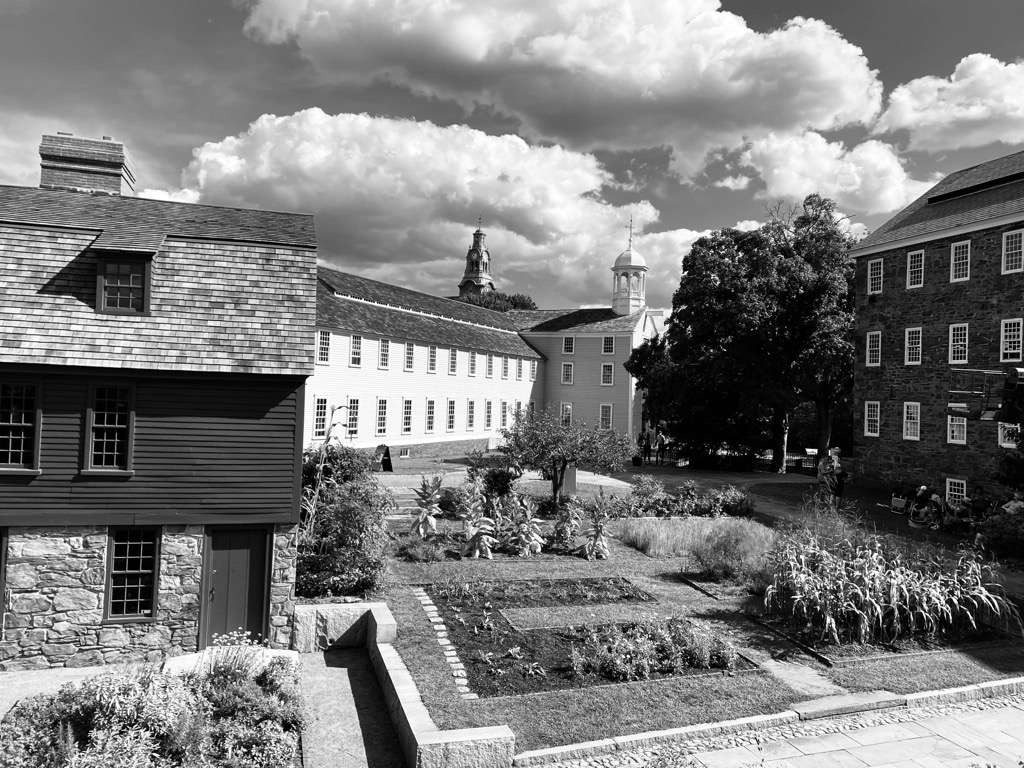
The park is not a single location but a network of historic sites, mill villages, and waterway corridors that span two states. It encompasses the Historic Slater Mill Complex in Pawtucket, the planned industrial village of Slatersville, the Ashton Kelly House and canal in Cumberland, and the "Little Red Shop" in Hopedale, Massachusetts. These sites tell a collective story of immigrant labor, technological innovation, and the environmental transformation of a once-wild river into the "hardest working river" in the country. The valley's architecture—from the imposing brick mills to the neat rows of worker housing—serves as a physical record of the birth of the American middle class and the rise of global capitalism.
Visiting the Blackstone River Valley is an immersion in the textures of the 19th century. Whether you are exploring the creaking machinery of a historic machine shop, cycling the towpaths of the Blackstone Canal, or paddling the gentle reaches of the river, the park offers a profound look at the foundations of modern America. It is a place where the sounds of the falling water at the Pawtucket Falls provide a constant reminder of the power that built a nation.
Key Highlights
- Historic Slater Mill Complex: Visit the 1793 mill that started it all, featuring the original spinning frames and the Wilkinson Mill’s functioning water wheel and machine shop.
- Blackstone Canal and Towpaths: Explore the remains of the 45-mile canal that once linked Worcester to the sea, now a scenic corridor for hiking and biking.
- Slatersville Village: Walk through America’s first planned industrial village, featuring well-preserved 19th-century homes, churches, and the original mill owner’s residence.
- Ashton Kelly House: Discover the story of the canal and its workers at this historic home located along the Blackstone River State Park segment.
- The Little Red Shop: See the original home of the Draper Loom Corporation in Hopedale, a testament to the valley’s ongoing role in textile innovation.
- Paddling the Blackstone: Kayak or canoe through a variety of river sections, ranging from industrial urban corridors to quiet, tree-lined reaches.
- Junior Ranger Program: An engaging way for children to learn about water power, textile manufacturing, and the lives of the "mill kids" who worked in the valley.
Getting There
Blackstone River Valley National Historical Park is located in northern Rhode Island and southern Massachusetts. Because its units are spread across many towns, having a clear navigation plan is essential.
By Car:
- Historic Slater Mill (Pawtucket, RI): Located at 67 Roosevelt Avenue, Pawtucket, RI 02860. It is easily reached via I-95. Take Exit 28 and follow signs for downtown Pawtucket.
- Ashton Kelly House (Cumberland, RI): Located off Route 116 in the Blackstone River State Park.
- Slatersville (North Smithfield, RI): Located at the junction of Routes 102 and 146A.
- Hopedale (Hopedale, MA): Located about 40 minutes north of Pawtucket via Highway 146 and local roads.
Nearest Airports:
- Rhode Island T.F. Green International Airport (PVD): Located in Warwick, RI, approximately 20 minutes south of Pawtucket.
- Boston Logan International Airport (BOS): Approximately 1 hour to the north.
Public Transit:
- Train: The MBTA Commuter Rail (Providence/Stoughton Line) has a station in Pawtucket/Central Falls, which is a short walk from the Slater Mill complex.
- Bus: RIPTA (Rhode Island Public Transit Authority) provides regular service to downtown Pawtucket and many other valley communities.
Navigation Tip: The Blackstone River Valley National Heritage Corridor (a related but distinct entity) spans the entire 45-mile valley. Look for the distinctive "Blackstone" signs and markers at major trailheads and historic intersections.
For more detailed maps and site-specific directions, visit the official park directions page.
Best Time to Visit
New England’s climate brings four distinct seasons to the valley, each changing the way you can interact with the park.
Spring (April - June): Spring is a time of high water and rapid change. The river is at its most powerful, and the valley’s many gardens begin to bloom. Temperatures range from the 40s to the 70s. This is an excellent time for birdwatching as migratory species return to the river corridor.
Summer (July - August): Summers are warm and can be humid, with temperatures in the 70s and 80s. This is the peak season for guided tours of the Slater Mill and for paddling the river. The lush canopy along the canal towpaths provides welcome shade for cyclists and hikers.
Fall (September - October): Many consider autumn to be the best time to visit. The air is crisp and clear, and the fall foliage in the valley is spectacular, typically peaking in mid-October. The vibrant reds and golds of the maples provide a stunning contrast to the dark brick of the historic mills.
Winter (November - March): Winters are cold and often snowy. While the outdoor grounds and the canal trails remain open for walking and cross-country skiing, the Visitor Center at Old Slater Mill is typically closed for the winter season. The starkness of the winter landscape highlights the industrial architecture of the valley.
Operating Hours: The park grounds are generally open from sunrise to sunset. The Historic Slater Mill complex has specific seasonal hours, usually operating from May through October. Always check the park’s website for the current tour schedule.
Activities and Adventures
The Blackstone River Valley offers a blend of educational exploration and outdoor recreation.
Touring the Mills: A guided tour of the Historic Slater Mill is the essential park experience. You can see demonstrations of 19th-century machinery and learn about the lives of the men, women, and children who worked in the mills. The Wilkinson Mill machine shop features a functioning water wheel that is a marvel of 19th-century engineering.
Cycling the Blackstone River Bikeway: This multi-use path is being developed to eventually span the entire 45-mile length of the valley. Large segments are already complete in Rhode Island and Massachusetts, offering a flat, scenic route through the heart of the industrial landscape.
Paddling and Water Trails: The Blackstone River is now a popular destination for recreational paddlers. There are several designated launch points. The river varies from slow-moving sections near the old dams to more lively water in the narrow passages. Be aware of the portages required around the historic dams.
Walking Tours of Mill Villages: Use a park brochure to explore villages like Slatersville or Ashton. These walks allow you to see the "social architecture" of the Industrial Revolution—how the placement of the mill, the worker housing, and the owner’s mansion reflected the social hierarchy of the time.
Birdwatching and Wildlife: Despite its industrial past, the river corridor is a vital wildlife habitat. Keep an eye out for ospreys, great blue herons, and bald eagles. River otters and turtles are also frequently sighted in the canal sections.
Junior Ranger Program: Children can participate in an educational program that focuses on the "Slater System" of manufacturing and the importance of river health. Completing the activities earns them a Junior Ranger badge.
History & Significance
The story of the Blackstone Valley is a narrative of global technological change and local social transformation.
Samuel Slater and the Secret: In the late 1700s, Great Britain guarded its textile technology as a state secret. Samuel Slater, a young apprentice, memorized the designs for the Arkwright spinning frames and emigrated to the U.S. in disguise. In Pawtucket, he partnered with Moses Brown to build the first successful water-powered spinning mill in 1793, effectively ending Britain’s monopoly.
The Slater System: Slater didn't just build a mill; he built a social system. He recruited entire families to work in his mills, providing them with housing, a company store, and even a Sunday school. This "family system" of labor became the model for industrial development throughout New England and later the American South.
The Hardest Working River: By the mid-19th century, the Blackstone was the most industrialized river in the country. A dam was built almost every mile of its course to power the growing number of mills. This industrial success came at a cost: the river became severely polluted and the migratory fish runs were destroyed.
Environmental Recovery: In the late 20th century, a massive effort began to clean up the Blackstone. The creation of the National Heritage Corridor in 1986 and the National Historical Park in 2014 were major milestones in this effort. Today, the river’s health is a symbol of environmental resilience and the ongoing work to balance industrial heritage with ecological restoration.
Lodging and Camping
While the park itself is a day-use facility, the surrounding valley offers numerous options for travelers.
In-Park Camping: Not available.
Nearby Accommodations:
- Providence and Pawtucket, RI: Offer a wide variety of hotels, from luxury boutiques to standard chains. Staying in Providence provides easy access to the southern end of the park.
- Worcester, MA: Provides numerous lodging options at the northern end of the valley.
- B&Bs: Many of the smaller valley towns feature charming historic bed and breakfasts.
Dining: The valley is a culinary destination, reflecting the diverse immigrant groups that settled here. You can find everything from traditional French-Canadian meat pies in Woonsocket to world-class contemporary dining in Providence. Pawtucket and Worcester also have vibrant cafe and brewery scenes.
Essential Information
Park Fees and Passes
- Entrance Fee: There is no fee to enter Blackstone River Valley National Historical Park or the Historic Slater Mill complex.
- Tours: Most ranger-led tours and programs are free, though donations are often accepted by the park's non-profit partners.
Safety Considerations
- River Safety: The Blackstone River has many historic dams and hidden industrial remains. Always wear a life jacket (PFD) and check the river conditions before paddling. Portaging is required at all dams.
- Urban Safety: As with any multi-site park in an urban area, be aware of your surroundings and keep your vehicle locked.
- Trail Safety: When cycling the bikeway, be mindful of other users and maintain a safe speed. Some segments cross public roads.
- Historic Buildings: The floors of the historic mills can be uneven. Wear sturdy, comfortable shoes for tours.
Services and Facilities
The Visitor Center at Slater Mill is fully accessible. Most of the Blackstone River Bikeway is paved and accessible to wheelchairs and strollers. Some of the older mill village sidewalks and gravel paths may have limited accessibility.
Contact
- Phone: 401-725-8638
- Email: [email protected]
- Official site: https://www.nps.gov/blrv/index.htm
Blackstone River Valley National Historical Park is a place of profound discovery. It challenges us to think about where the things we use come from and how the choices of the past continue to shape our world today. By exploring the mills, canals, and villages of the valley, visitors can gain a deeper appreciation for the ingenuity and endurance that defined the American spirit.
Park Overview
Detailed overview of the park's history, geography, and main attractions will go here. This section provides essential background information for visitors.
Top Hikes
- Iconic Summit TrailDifficulty: Strenuous • Distance: 8 miles round trip
Loading reviews…
- Waterfall LoopDifficulty: Moderate • Distance: 3 miles loop
Loading reviews…
- Lakeside WalkDifficulty: Easy • Distance: 1.5 miles out & back
Loading reviews…
Recommended Hiking Gear
Gear up for your adventure with our trusted partners. These items help support the site at no extra cost to you!

Places to Stay
- Historic Park LodgeBook early!Type: Lodge
Loading reviews…
- Riverside CampgroundReservations required.Type: Campground
Loading reviews…
- Gateway Town Hotel15 miles from entrance.Type: Nearby Hotel
Loading reviews…