Cape Lookout National Seashore
Fast Facts
Cape Lookout National Seashore
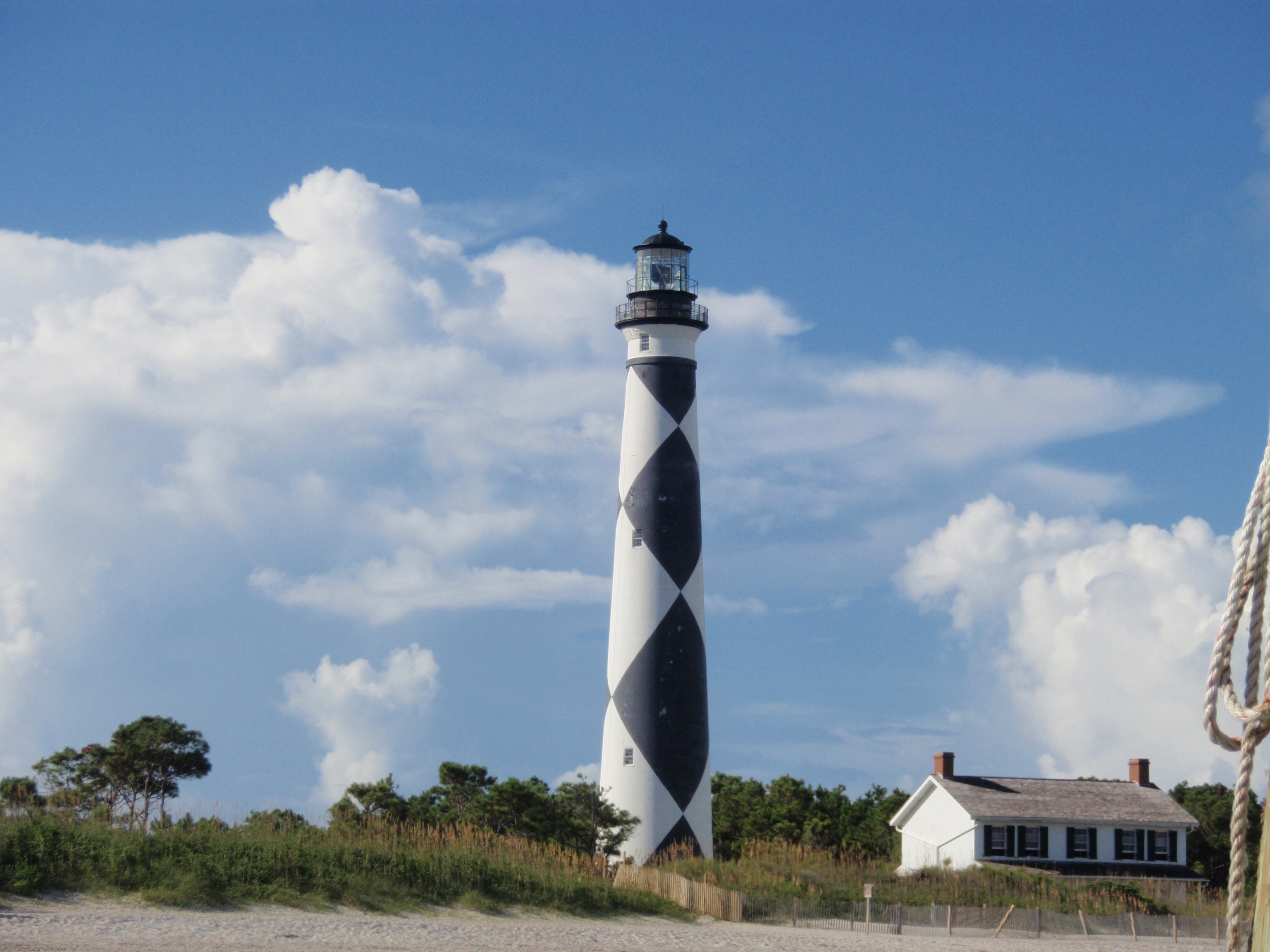
Accessible only by boat and located three miles off the mainland of North Carolina, Cape Lookout National Seashore preserves a 56-mile stretch of remote barrier islands that represent some of the last undeveloped shorelines on the Atlantic coast. This spectacular sanctuary is a world away from the busy boardwalks and high-rises of traditional beach destinations. It is a landscape defined by its isolation and its connection to the sea, featuring three distinct islands: Shackleford Banks, North Core Banks, and South Core Banks. From the iconic "checkered" pattern of the Cape Lookout Lighthouse to the salt-hardened wild horses that roam the dunes, the seashore offers a profound encounter with the raw, untamed spirit of the Outer Banks.
The seashore is a study in maritime history and coastal dynamics. Established in 1966, the park protects not only the delicate barrier island ecosystem but also the cultural heritage of the people who once lived in this "Graveyard of the Atlantic." Visitors can explore the ghost town of Portsmouth Village, which was once the largest port on the North Carolina coast, or climb the 163-foot lighthouse that has warned mariners of the treacherous Lookout Shoals for nearly 160 years. Because there are no roads connecting the islands to the mainland, Cape Lookout remains a place where self-sufficiency is a requirement and where the sounds of the wind, the waves, and the shorebirds are the only constant companions.
Visiting Cape Lookout is an invitation to "unplug" and immerse yourself in the elements. Whether you are shelling on the pristine sands of Shackleford Banks, surf fishing for red drum in the autumn, or spending a night under the brilliant stars of an International Dark Sky Park, the seashore provides a sense of freedom and discovery that is increasingly rare. it is a place where the rhythmic cycles of the tide and the seasons dictate the pace of life, reminding visitors of the enduring power and beauty of the natural world on the edge of the continent.
Key Highlights
- Cape Lookout Lighthouse: Visit the iconic diamond-patterned beacon, an active aid to navigation that offers spectacular views of the shoals and islands from its gallery level.
- Shackleford Banks Wild Horses: Spot the resilient herd of wild horses that have inhabited this island for centuries, believed to be descendants of Spanish shipwrecks.
- Portsmouth Village: Explore a remarkably preserved 19th-century "ghost town" at the northern end of the seashore, featuring historic homes, a church, and a schoolhouse.
- Pristine Shelling: Experience some of the best beachcombing on the East Coast, particularly for the elusive Scotch Bonnet (the North Carolina state shell) after a storm.
- Beach Camping: Enjoy the ultimate wilderness experience by camping anywhere on the beach (excluding certain protected areas), with no developed sites or facilities.
- Off-Road Vehicle (ORV) Access: Take a vehicle ferry to the Core Banks to drive your 4WD vehicle along miles of undeveloped shoreline (permit required).
- International Dark Sky Park: Witness incredible night skies and the Milky Way in one of the few places on the East Coast with almost zero light pollution.
Getting There
Cape Lookout National Seashore is an island park. There are no bridges connecting the islands to the mainland or to each other.
By Passenger Ferry:
- From Harkers Island, NC: The Island Express Ferry Service (the park's authorized concessionaire) provides regular passenger service to the Cape Lookout Lighthouse area and Shackleford Banks. The ferry terminal is located near the park’s main visitor center.
- From Beaufort, NC: Ferries also depart from the historic Beaufort waterfront to Shackleford Banks and the lighthouse area.
- From Morehead City, NC: Seasonal passenger service is available to various points on the islands.
By Vehicle Ferry:
- To Core Banks: For those wishing to bring a 4WD vehicle, private vehicle ferries operate from the towns of Davis and Atlantic on the mainland. These ferries drop you off on the beach at North or South Core Banks. Reservations are highly recommended.
Nearest Airports:
- Coastal Carolina Regional Airport (EWN): Located in New Bern, NC, approximately 1 hour from the ferry terminals.
- Raleigh-Durham International Airport (RDU): The nearest major hub, located about 3 hours to the west.
Main Visitor Centers:
- Harkers Island Visitor Center: 1800 Island Rd, Harkers Island, NC 28531. This is the primary contact point for orientation, maps, and ferry information.
- Light Station Visitor Center: Located near the lighthouse on South Core Banks, offering seasonal exhibits and lighthouse climbing tickets.
Note on Navigation: When using GPS to reach the Harkers Island Visitor Center, use the physical address (1800 Island Rd). The park mailing address may lead you to a different location.
For more detailed maps and current ferry schedules, visit the official park directions page.
Best Time to Visit
The experience at Cape Lookout is dictated by the maritime climate of the Outer Banks and the seasonal cycles of wildlife.
Spring (April - June): Spring is a season of transition. Temperatures are typically mild (50s to 70s), but wind and rain are common. This is an excellent time for birdwatching as migratory species arrive, and the shelling is often productive after spring storms. Many ferry services begin their full summer schedules in May.
Summer (July - August): This is the peak visitor season. The weather is hot and humid, with temperatures reaching the 90s. The ocean is at its warmest for swimming. This is the best time for climbing the lighthouse and family beach days. Be aware that this is also the peak of the biting insect season (mosquitoes and gnats), and there is almost no shade on the islands.
Fall (September - November): Many regular visitors consider autumn to be the ideal time. The air is crisp and clear, and the summer humidity fades. This is the premier season for surf fishing and for viewing the wild horses on Shackleford Banks. The "Cape Lookout Festival" is often held in September. Note that hurricane season peaks during this time, so monitor weather reports closely.
Winter (December - March): Winter is for those seeking deep solitude. The islands are exceptionally quiet, and the beaches are nearly empty. Temperatures range from the 30s to the 50s, but the wind can be biting. While most visitor facilities are closed, the islands remain open for those who can arrange their own transportation or use limited seasonal ferries.
Operating Hours: The islands are open 24 hours a day year-round. Visitor center and ferry hours are seasonal; the lighthouse is typically open for climbing from late May through September.
Activities and Adventures
Cape Lookout is a destination for active exploration and primitive recreation in a wild coastal setting.
Lighthouse Climbing: Climbing the 207 steps to the gallery of the Cape Lookout Lighthouse is a highlight for many. The "diamond-lady" is unique because of its bold pattern, designed to help mariners identify it from a distance. The climb provides an unparalleled view of the Lookout Shoals, where the currents of the Atlantic meet. Note: Climbing requires a ticket, which should be reserved in advance on Recreation.gov.
Shelling and Beachcombing: Cape Lookout is widely regarded as one of the best shelling locations in the world. Because of its east-west orientation and proximity to the Gulf Stream, the islands catch a variety of rare shells. Shackleford Banks and the "Cape" area of South Core Banks are particularly productive.
Wildlife Watching: Observing the wild horses of Shackleford Banks is a unique experience. These horses are truly wild and receive no human intervention. You can also spot sea turtles (nesting in summer), dolphins just offshore, and hundreds of species of birds, including the American oystercatcher and the piping plover.
Fishing: Surf fishing is a legendary activity at Cape Lookout. Anglers catch red drum, bluefish, and cobia from the beach. The "Drum Inlet" area is a favorite spot for serious fishermen. A valid NC saltwater fishing license is required.
Paddling and Boating: The Pamlico and Core Sounds offer excellent opportunities for kayaking and canoeing. You can explore the shallow marshes or paddle from the mainland to the islands (only for experienced paddlers). The "Barden’s Inlet" provides a protected area for small boat exploration.
Exploring Portsmouth Village: Take a day trip to the northern end of the seashore to see Portsmouth Village. Walking through this "frozen-in-time" community provides a haunting look at the maritime life of the 19th century. The village is maintained by the NPS as a historic district.
Junior Ranger Program: Children can participate in an educational program that focuses on barrier island geology, the life of a lighthouse keeper, and the protection of wild horses.
History & The "Diamond Lady"
The story of Cape Lookout is a narrative of maritime defense and island resilience.
The Cape Lookout Lighthouse: The current tower was completed in 1859, replacing an earlier, shorter lighthouse. Its distinctive black and white diamond pattern is not just for decoration; it is a "daymark" that distinguishes it from the spiraled Hatteras Light to the north. During the Civil War, the lighthouse was a point of contention, with Confederate forces attempting to disable the light to hinder Union navigation.
The "Graveyard" History: Like much of the Outer Banks, the waters here are part of the "Graveyard of the Atlantic." The Lookout Shoals extend 14 miles out from the cape, creating a major hazard for ships. The remnants of many shipwrecks are still buried in the sands of the Core Banks, occasionally revealed by major storms.
The Bankers and Portsmouth: For generations, hardy families known as "Bankers" lived on these islands. They made their living through fishing, piloting ships through the inlets, and "wrecking" (salvaging goods from shipwrecks). Portsmouth Village was once a bustling center of commerce until the deepening of other inlets and the arrival of the railroad on the mainland led to its slow abandonment. The last residents left in 1971.
Shackleford Horses: The origins of the Shackleford horses are shrouded in mystery and legend. Genetic testing shows they are related to colonial Spanish horses. For over 400 years, they have survived the island's harsh conditions, drinking from freshwater pools and grazing on salt marsh grasses. They are protected today through a cooperative agreement between the NPS and the Foundation for Shackleford Horses.
Lodging and Camping
Staying at Cape Lookout requires a commitment to primitive conditions and self-sufficiency.
In-Park Camping:
- Beach Camping: Primitive camping is allowed on most of the seashore. There are no developed campgrounds, no restrooms, and no water on the islands. You must bring all your own supplies and carry out all your trash.
- Cabin Rentals: The park offers rustic beach cabins for rent at Long Point (North Core Banks) and Great Island (South Core Banks). These cabins have basic bunk beds, a table, and a bathroom with a shower, but you must bring your own bedding, food, and water. Reservations must be made through Recreation.gov.
Nearby Accommodations: The towns of Beaufort, Morehead City, and Harkers Island offer a range of hotels, motels, and charming bed and breakfasts. These towns serve as the primary "base camps" for visitors to the seashore.
Dining: There are no food services on the islands. Harkers Island and Beaufort feature several excellent seafood restaurants and cafes. It is essential to bring all the food and water you will need for your entire stay on the islands.
Essential Information
Park Fees and Passes
- Entrance Fee: There is no fee to enter Cape Lookout National Seashore.
- Ferry Fees: Vary by provider and destination; passenger ferries are typically $20-$30 round-trip.
- ORV Permit: A fee is required for all vehicles driving on the beach.
- Passes: The park accepts all "America the Beautiful" passes for lighthouse climbing discounts and other fee-based services.
Safety Considerations
- Total Self-Sufficiency: Once you leave the ferry, you are on your own. There is no running water, no shade, and no medical services on the islands. Carry more water than you think you need.
- Biting Insects: Mosquitoes, ticks, and "no-see-ums" can be severe. Bring high-quality repellent and protective clothing.
- Sun Protection: The reflection from the sand and water is intense. Wear sun protection and bring a beach umbrella for shade.
- Wildlife Safety: Maintain a distance of at least 50 feet from the wild horses. Do not feed or approach them. Be mindful of nesting birds and sea turtles.
- Weather: Storms can move in quickly. Be aware of the weather forecast and have a plan for evacuation if necessary.
Services and Facilities
The Harkers Island Visitor Center is fully accessible. On the islands, facilities are extremely limited. The Light Station area has composting toilets and seasonal water. The beach cabins at Long Point and Great Island have limited accessibility. Most of the seashore is rugged and not suitable for those with mobility impairments.
Contact
- Phone: 252-728-2250
- Email: [email protected]
- Official site: https://www.nps.gov/calo/index.htm
Cape Lookout National Seashore is a place that challenges us to slow down and listen to the voice of the sea. By exploring its silent villages, watching its wild horses, and standing in the shadow of its great lighthouse, visitors can gain a deeper appreciation for the wild beauty and profound history of the North Carolina coast. It is a destination of endless horizon and enduring spirit.
Park Overview
Detailed overview of the park's history, geography, and main attractions will go here. This section provides essential background information for visitors.
Top Hikes
- Iconic Summit TrailDifficulty: Strenuous • Distance: 8 miles round trip
Loading reviews…
- Waterfall LoopDifficulty: Moderate • Distance: 3 miles loop
Loading reviews…
- Lakeside WalkDifficulty: Easy • Distance: 1.5 miles out & back
Loading reviews…
Recommended Hiking Gear
Gear up for your adventure with our trusted partners. These items help support the site at no extra cost to you!

Places to Stay
- Historic Park LodgeBook early!Type: Lodge
Loading reviews…
- Riverside CampgroundReservations required.Type: Campground
Loading reviews…
- Gateway Town Hotel15 miles from entrance.Type: Nearby Hotel
Loading reviews…