Castle Mountains National Monument
Fast Facts
Castle Mountains National Monument
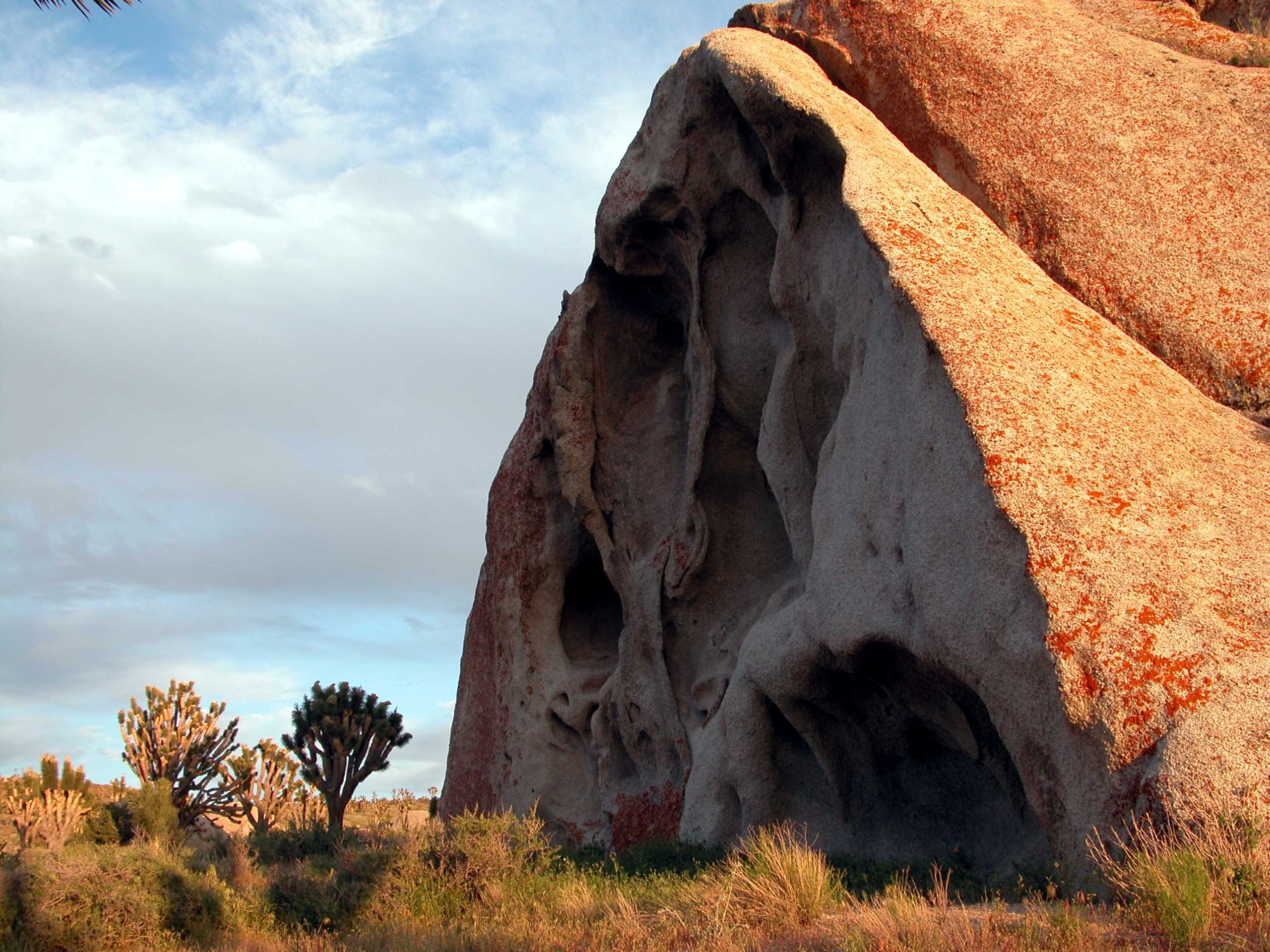
Tucked away in a remote corner of the Mojave Desert along the California-Nevada border, Castle Mountains National Monument preserves a landscape of staggering ecological diversity and profound solitude. Established in 2016, this 21,000-acre monument is a study in desert resilience, serving as a vital link between the Mojave National Preserve in California and the Lake Mead National Recreation Area in Nevada. The park is defined by its namesake Castle Mountains—jagged, multi-hued volcanic peaks that rise abruptly from some of the finest desert grasslands remaining in the American Southwest.
The monument represents one of the most pristine and unfragmented ecosystems in the Mojave Desert. It is a world where Joshua tree forests meet rare native bunchgrasses, providing a sanctuary for a wide array of wildlife, including the threatened desert tortoise, bighorn sheep, and golden eagles. Unlike many National Park units, Castle Mountains remains truly "primitive." There are no paved roads, no visitor centers, and no developed facilities within its borders. This intentional lack of infrastructure ensures that the "natural sounds" of the desert and the absolute darkness of the night sky remain undisturbed, offering a rare opportunity for visitors to experience the Mojave as it has existed for millennia.
Visiting Castle Mountains is an invitation to embrace the challenge of the wild. Access requires a high-clearance 4WD vehicle and a high degree of self-reliance. Whether you are navigating the sandy tracks of Walking Box Ranch Road, photographing the silhouetted Castle Peaks at sunset, or searching for the subtle blooms of desert wildflowers after a spring rain, the monument provides a profound sense of isolation and discovery. It is a place where the vastness of the horizon and the resilience of the desert life remind visitors of the enduring power of the natural world in one of the most extreme environments on Earth.
Key Highlights
- The Castle Peaks: Marvel at the spectacular volcanic spires and jagged ridges that give the monument its name, providing a dramatic backdrop for desert exploration.
- Joshua Tree Forests: Experience some of the densest and most ecologically healthy Joshua tree woodlands in the Southwest, particularly in the northern reaches of the monument.
- Rare Desert Grasslands: Discover a sea of native bunchgrasses, an increasingly rare ecosystem that supports a unique community of plants and animals.
- Wildlife Watching: Spot the iconic desert tortoise, desert bighorn sheep, and numerous birds of prey that utilize the rugged topography for nesting and hunting.
- Stargazing Excellence: Enjoy incredible night skies in a region with almost zero light pollution, offering crystal-clear views of the Milky Way.
- Walking Box Ranch Road: Navigate the historic route that provides the primary access to the monument, offering panoramic views of the Lanfair Valley.
- Hart Ghost Town Site: Learn about the region’s mining history at the site of the former town of Hart, which once boomed during a brief gold rush in the early 20th century.
Getting There
Castle Mountains National Monument is one of the most remote units in the National Park System. There are no paved roads within the monument.
By Car:
- From Las Vegas, NV: Travel south on I-15 to the town of Nipton, CA. Take Nevada State Road 164 (Nipton Road) east toward Searchlight, NV. Turn south onto Walking Box Ranch Road (unpaved). Follow this road for approximately 18 miles to the monument boundary.
- From Mojave National Preserve: Access the monument from the south via Lanfair Road. From the intersection with Cedar Canyon Road, proceed north on Lanfair Road (unpaved) toward the Nevada state line.
- Vehicle Requirements: A high-clearance 4WD vehicle is strongly recommended for all travel within the monument. The roads are sandy, rocky, and can be washed out after rain. Low-clearance passenger cars are likely to get stuck or damaged.
Nearest Airports:
- Harry Reid International Airport (LAS): Located in Las Vegas, approximately 1.5 to 2 hours from the monument. This is the only practical major airport for visiting the region.
Public Transit: There is no public transportation or shuttle service to or within Castle Mountains National Monument. A personal or rental vehicle (4WD) is essential for your visit.
Navigation Tip: Do not rely solely on GPS, as many mapping services may suggest "roads" that are impassable or closed. It is essential to carry a physical map (available at the Mojave National Preserve visitor centers) and to check current road conditions before heading out.
For more detailed maps and coordinates, visit the official park directions page.
Best Time to Visit
The Mojave Desert climate is a land of extremes. Your timing will dictate both your comfort and the accessibility of the monument.
Spring (March - May): This is the ideal time to visit. Temperatures are typically pleasant (60s to 80s), and if the winter rains were sufficient, the desert floor can be carpeted in spectacular wildflowers. This is also the peak season for wildlife activity.
Summer (June - August): Summers are intensely hot and dry, with temperatures frequently exceeding 100 degrees Fahrenheit. Strenuous activity is not recommended. Late summer brings the "monsoon" season, characterized by sudden and violent thunderstorms that can cause flash flooding and make the unpaved roads impassable.
Fall (September - November): Autumn brings a welcome relief from the summer heat. The days are warm and sunny, while the nights become crisp and clear. This is an excellent time for photography and backcountry camping.
Winter (December - February): Winter turns the high desert into a quiet and often cold environment. Daytime temperatures range from the 40s to the 60s, but nights frequently drop below freezing. Occasional snow can dust the Castle Peaks, creating a stunning visual contrast with the desert greenery.
Operating Hours: The monument is open 24 hours a day year-round. However, there are no visitor centers or staff on-site. Orientation and information are provided by the rangers at the Kelso Depot or Hole-in-the-Wall visitor centers in the adjacent Mojave National Preserve.
Activities and Adventures
Castle Mountains is a destination for those seeking solitude and a self-reliant wilderness experience.
Off-Road Driving and Sightseeing: Most visitors experience the park via the unpaved roads that offer views of the Castle Peaks and the Lanfair Valley. Driving the loop between Walking Box Ranch Road and Lanfair Road provides a comprehensive look at the monument’s diverse habitats.
Hiking and Cross-Country Trekking: There are no maintained hiking trails within the monument. However, the open desert terrain allows for cross-country hiking. Advanced navigation skills using GPS, maps, and a compass are essential. Climbing toward the base of the Castle Peaks offers spectacular views but requires navigating rocky and unstable terrain.
Wildlife and Birdwatching: The monument is a premier location for spotting desert specialists. Look for the verdin, LeConte’s thrasher, and the loggerhead shrike. Early morning and late evening are the best times to see bighorn sheep and the elusive desert tortoise (remember to keep a respectful distance).
Backcountry Camping: Primitive camping is allowed within the monument in accordance with the regulations of the adjacent Mojave National Preserve. There are no developed campsites, water, or toilets. Campers must follow all "Leave No Trace" principles and be prepared for total self-sufficiency.
Photography: The Castle Peaks at "golden hour" are a photographer's dream. The juxtaposition of the dark volcanic rock against the bright green desert grasses and the unique forms of the Joshua trees provides endless creative opportunities.
Junior Ranger Program: Children can participate in the Mojave National Preserve Junior Ranger program, which includes sections on the Castle Mountains. Materials are available at the Kelso Depot or Hole-in-the-Wall visitor centers.
History & Significance
The story of the Castle Mountains is a narrative of geological change and human exploitation.
Volcanic Origins: The Castle Peaks were formed approximately 15 to 18 million years ago during a period of intense volcanic activity. The mountains are composed of rhyolite and andesite, which have eroded into the jagged spires and deep canyons seen today. This volcanic history also created the mineral deposits that later drew miners to the region.
Indigenous Heritage: The Castle Mountains have been part of the traditional homelands of the Mojave and Chemehuevi peoples for generations. These groups utilized the region’s resources for hunting, gathering, and spiritual practices. Archaeological evidence, including lithic scatters and rock art in the surrounding areas, points to a long and deep connection to this landscape.
The Gold Rush at Hart: In 1907, gold was discovered in the Castle Mountains, leading to the creation of the town of Hart. For a few years, Hart was a bustling community with two hotels, a newspaper, and several saloons. However, the gold deposits were shallow, and by 1915, the town was largely abandoned. The remains of the town and nearby mine workings are a silent reminder of the boom-and-bust nature of desert mining.
Conservation and Connection: The creation of the monument in 2016 was a major milestone in desert conservation. By protecting this 21,000-acre "bridge," the U.S. government ensured that the wildlife of the Mojave could continue to migrate and thrive across a vast, unfragmented landscape.
Lodging and Camping
Staying at Castle Mountains requires a commitment to primitive conditions.
In-Park Camping:
- Primitive Camping: Permitted in designated areas with a high-clearance vehicle. There are no facilities of any kind. You must bring all your own water (at least 2 gallons per person per day) and carry out all your trash.
- Fires: Wood fires are generally prohibited; use only containerized fuel stoves for cooking.
Nearby Accommodations:
- Searchlight, NV (30 miles northeast): Offers a few small motels and basic services.
- Primm, NV (45 miles northwest): Features large casino hotels and standard services.
- Las Vegas, NV (1.5 - 2 hours): Provides a full range of world-class lodging and dining.
Mojave National Preserve Camping: The Hole-in-the-Wall Campground, located about 45 minutes south of the monument, offers developed sites with vault toilets and water (no hookups).
Dining: There are no food services within or near the monument. You must bring all the food and supplies you will need for your entire visit. The nearest groceries and fuel are in Searchlight or Primm.
Essential Information
Park Fees and Passes
- Entrance Fee: There is no fee to enter Castle Mountains National Monument.
- Passes: While the park is free, the visitor centers in Mojave National Preserve sell "America the Beautiful" passes for use at fee-charging National Parks.
Safety Considerations
- Total Isolation: You are in a remote, roadless wilderness. There is no rescue service "on call." Cell service is non-existent. You must be self-sufficient and capable of handling medical emergencies and vehicle failures on your own.
- Vehicle Safety: Use only high-clearance 4WD vehicles. Carry a spare tire, a jack, and extra fuel. Do not drive on unpaved roads during or after rain.
- Heat and Hydration: The desert sun is intense. Carry and drink more water than you think you need. Dehydration and heatstroke are serious risks.
- Wildlife Awareness: Be mindful of rattlesnakes and scorpions. Do not approach or feed wildlife. Protect the desert tortoise—if you see one on the road, do not touch it unless it is in immediate danger.
- Navigation: Always carry a physical map and compass. Do not rely on digital devices alone.
Services and Facilities
There are no services or facilities within the monument. All orientation, maps, and restrooms are located at the Mojave National Preserve visitor centers (Kelso Depot or Hole-in-the-Wall). The monument is not suitable for those with mobility impairments due to the rugged and unmaintained terrain.
Contact
- Phone: 760-252-6100
- Email: [email protected]
- Official site: https://www.nps.gov/camo/index.htm
Castle Mountains National Monument is a place that reminds us of the true meaning of "unplugged." It is a landscape that demands respect and rewards those who approach it with a sense of wonder and preparation. By exploring its jagged peaks and silent grasslands, visitors can gain a deeper appreciation for the raw, untamed spirit of the Mojave Desert. It is a destination of profound beauty and absolute solitude.
Park Overview
Detailed overview of the park's history, geography, and main attractions will go here. This section provides essential background information for visitors.
Top Hikes
- Iconic Summit TrailDifficulty: Strenuous • Distance: 8 miles round trip
Loading reviews…
- Waterfall LoopDifficulty: Moderate • Distance: 3 miles loop
Loading reviews…
- Lakeside WalkDifficulty: Easy • Distance: 1.5 miles out & back
Loading reviews…
Recommended Hiking Gear
Gear up for your adventure with our trusted partners. These items help support the site at no extra cost to you!

Places to Stay
- Historic Park LodgeBook early!Type: Lodge
Loading reviews…
- Riverside CampgroundReservations required.Type: Campground
Loading reviews…
- Gateway Town Hotel15 miles from entrance.Type: Nearby Hotel
Loading reviews…