Chamizal National Memorial
Fast Facts
Chamizal National Memorial
In the bustling border city of El Paso, Texas, Chamizal National Memorial stands as a powerful and unique monument to the effectiveness of international diplomacy. Unlike many national memorials that commemorate wars or specific individuals, Chamizal celebrates the peaceful, harmonious settlement of a 100-year boundary dispute between the United States and Mexico. The 55-acre urban park is a sanctuary of mutual respect, serving as a vibrant center where the diverse cultures of the borderlands converge through the arts, education, and shared history.
The "Chamizal dispute" was born from the shifting nature of the Rio Grande. In the mid-19th century, the river’s course moved south, effectively transferring a large tract of Mexican land (the Chamizal) to the U.S. side of the new channel. For a century, this 600-acre parcel was a source of intense legal and political tension. In 1963, Presidents John F. Kennedy and Adolfo López Mateos finally reached a diplomatic breakthrough, agreeing to a fair redistribution of the land and the concrete lining of the river to prevent future shifts. The memorial was established on part of the land returned to the United States, serving as a permanent reminder that even the most intractable international disagreements can be resolved through dialogue and friendship.
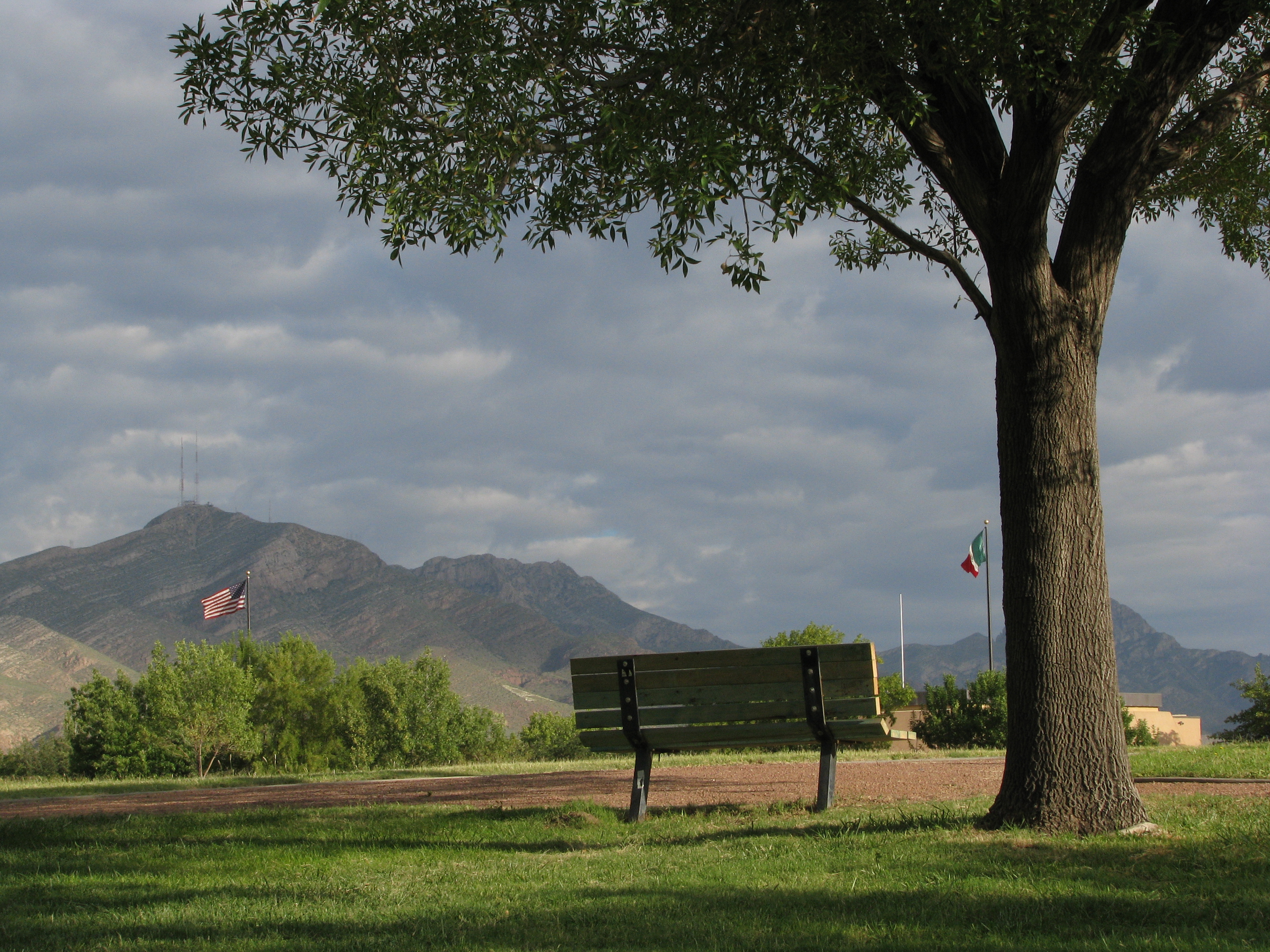
Visiting Chamizal is an invitation to experience the "spirit of the border." The memorial is a study in cultural synthesis, featuring a world-class theater, art galleries, and expansive green spaces that host international festivals and performances. Whether you are admiring the murals that detail the history of the Rio Grande, attending a traditional Ballet Folklórico performance, or simply walking the trails with views of the Juárez Mountains in Mexico, the park provides a profound connection to the shared heritage of the two nations. It is a place where the flags of both countries fly side-by-side, symbolizing a future built on cooperation rather than conflict.
Key Highlights
- Cultural Arts Center: Explore the heart of the memorial, featuring an indoor theater and multiple art galleries that showcase the work of borderland artists.
- Los Paisanos and Franklin G. Smith Galleries: Discover rotating exhibits of contemporary and traditional art, including painting, photography, and sculpture from both sides of the border.
- Chamizal History Exhibits: Learn about the complex 100-year boundary dispute and the 1963 treaty through interactive displays and a high-quality park film.
- Nuestra Herencia Mural: Marvel at the massive outdoor mural that depicts the history, culture, and geological forces that have shaped the El Paso-Juárez valley.
- Theater and Dance Performances: Experience the vibrant energy of the borderlands with regular performances of music, drama, and dance, including the annual Siglo de Oro Drama Festival.
- Urban Green Space: Enjoy 55 acres of manicured lawns and walking trails in the heart of El Paso, offering a quiet respite from the city’s noise.
- Cross-Border Views: Witness the unique juxtaposition of El Paso and Ciudad Juárez, with spectacular views of the Franklin Mountains and the Sierra de Juárez.
Getting There
Chamizal National Memorial is centrally located in El Paso, Texas, near the Bridge of the Americas international crossing.
By Car:
- From I-10: Exit at the US Highway 54 (Gateway North/South) interchange. Follow US 54 south to the Paisano Drive exit. Turn east onto Paisano Drive and proceed to San Marcial Street. Turn south on San Marcial Street to reach the park entrance.
- From the Airport: El Paso International Airport (ELP) is located about 5 miles to the northeast. Follow signs for Airway Blvd south to I-10 West, then follow the directions above.
- Main Entrance: The physical address is 800 South San Marcial Street, El Paso, TX 79905.
Nearest Airports:
- El Paso International Airport (ELP): The primary gateway, located just 10-15 minutes from the memorial.
- Ciudad Juárez International (CJS): Located across the border in Mexico, primarily for regional and international flights within Mexico.
Public Transit:
- Sun Metro (Bus): Several local El Paso bus routes serve the area near the memorial, with stops along Paisano Drive and nearby neighborhoods.
- Amtrak: The El Paso Union Depot is located about 3 miles west of the memorial, providing rail connections via the "Sunset Limited" and "Texas Eagle" routes.
Navigation Tip: Because the memorial is near a major international bridge, traffic in the area can be heavy, especially during peak commuting hours. Be aware of signage for the "Bridge of the Americas" and ensure you stay in the lanes for local traffic rather than the international crossing.
For more detailed maps and turn-by-turn directions, visit the official park directions page.
Best Time to Visit
The Chihuahuan Desert climate of El Paso features hot summers, mild winters, and brilliant sunny days year-round.
Spring (March - May): Spring is one of the most pleasant times to visit. Temperatures are typically in the 70s and 80s, and the desert plants in the memorial’s gardens begin to bloom. This is the peak season for outdoor walking and photography. However, spring can bring high winds and dust storms.
Summer (June - August): Summers are intensely hot, with daytime highs frequently exceeding 100 degrees Fahrenheit. Because the memorial grounds are open and relatively exposed, it is highly recommended to visit early in the morning. The Cultural Arts Center is climate-controlled and provides a vital escape from the midday heat. This is also the peak season for outdoor concerts and festivals in the evening.
Fall (September - November): Many consider autumn to be the ideal season for a visit. The summer heat fades into crisp, clear days with temperatures in the 70s and 80s. The humidity is low, and the visibility for views of the surrounding mountains is exceptional. The "monsoon" season (late summer/early fall) brings occasional dramatic thunderstorms.
Winter (December - February): Winters are mild and dry, with daytime temperatures in the 50s and 60s. While snow is rare, cold snaps can occur, and nights often drop below freezing. Winter is a quiet and peaceful time at the memorial, offering a solitary experience in the galleries.
Operating Hours: The memorial grounds are typically open daily from 7:00 AM to 7:00 PM. The Cultural Arts Center and galleries have standard business hours, usually 10:00 AM to 5:00 PM. The site is closed on Thanksgiving, Christmas, and New Year's Day.
Activities and Adventures
Chamizal is a destination designed for cultural immersion, historical exploration, and urban recreation.
Exploring the Galleries: A visit to the Los Paisanos and Franklin G. Smith galleries is a must-do. The rotating exhibits showcase the immense creativity of the border region, featuring everything from traditional Mexican crafts to cutting-edge contemporary art. Rangers are often on-site to provide context for the current shows.
Theater and Performing Arts: Check the park’s schedule for performances in the 500-seat theater or at the outdoor amphitheater. Chamizal is famous for its promotion of Hispanic performing arts. The Siglo de Oro festival (Spanish Golden Age drama) draws performers and audiences from around the world.
Mural and Monument Walk: Take a self-guided walk around the exterior of the Cultural Arts Center to see the "Nuestra Herencia" mural and the various plaques that explain the Chamizal treaty. The walk provides a powerful visual history of the people who have called this valley home for centuries.
Biking and Jogging: The memorial’s paved paths are popular with local residents for exercise. The trails offer a flat, scenic route through the park with constant views of the mountains and the flags of both nations.
Picnicking: With its large, well-maintained lawns and shade trees, Chamizal is one of El Paso’s premier spots for a family picnic. Several designated areas are available for public use.
Junior Ranger Program: Children can participate in an educational program that focuses on the concept of diplomacy, the geography of the Rio Grande, and the importance of cross-cultural friendship. Completing the activity booklet earns them a Junior Ranger badge.
Photography: The juxtaposition of the memorial flags against the backdrop of the Juárez mountains, the vibrant colors of the murals, and the desert light offer incredible subjects for photography.
History & The Chamizal Treaty
The story of Chamizal is a narrative of geological change and human ingenuity.
The Shifting Rio Grande: Following the Mexican-American War (1846-1848), the Rio Grande was established as the international boundary. However, the river is naturally unstable. Between 1852 and 1864, a series of floods caused the river to move south. The United States claimed the land through "accretion" (gradual movement), while Mexico claimed it had happened through "avulsion" (sudden shift), meaning the boundary should not have changed.
A Century of Tension: The dispute over the 600-acre Chamizal tract became a significant point of pride and political contention for both countries. An international arbitration in 1911 awarded part of the land to Mexico, but the United States refused to accept the decision, leading to another 50 years of stalemate during the height of the Cold War.
The 1963 Solution: Presidents Kennedy and López Mateos recognized that resolving the dispute was essential for building a strong pan-American alliance. The 1963 Chamizal Treaty was a masterwork of compromise. The U.S. returned 437 acres to Mexico, and both nations shared the cost of building a concrete-lined channel for the river, ensuring the border would never move again.
Establishing the Memorial: Chamizal National Memorial was authorized by Congress in 1966 to commemorate this triumph of diplomacy. It is mirrored on the Mexican side of the border by El Parque Federal El Chamizal, a massive urban park in Ciudad Juárez. Together, they form a "bi-national park" dedicated to peace.
Lodging and Camping
While there is no camping or lodging within the memorial, El Paso is a major city with a wide range of options.
In-Park Camping: Not available.
Nearby Accommodations: The downtown El Paso area, located just 3 miles west of the memorial, features several historic hotels, modern motels, and boutique properties. The El Paso airport area also offers dozens of lodging options.
State Parks: For those looking to camp, Franklin Mountains State Park is located on the north side of the city and offers developed campgrounds, hiking, and spectacular desert vistas.
Dining: El Paso is world-famous for its Mexican cuisine. You can find everything from casual taco stands to high-end dining within a few minutes of the memorial. The nearby Five Points and Downtown neighborhoods offer the most diverse options.
Essential Information
Park Fees and Passes
- Entrance Fee: There is no fee to enter Chamizal National Memorial or its galleries. It is a free public facility.
- Passes: While the park is free, the bookstore sells "America the Beautiful" passes for use at fee-charging National Parks.
Safety Considerations
- Heat and Hydration: The El Paso sun is intense. Carry water and wear sun protection even for short walks.
- Urban Safety: As with any city park, be aware of your surroundings and keep your personal belongings secure. The park is well-patrolled, but it is always best to stay in well-lit areas after dark.
- Monsoons and Lightning: Summer storms can appear suddenly. If you hear thunder or see lightning, seek shelter in the Cultural Arts Center or your vehicle immediately.
- International Border: Remember that you are very close to an international border. If you plan to cross into Juárez, ensure you have the proper identification (passport) and follow all customs regulations.
- Respectful Conduct: The memorial is a place of international respect. Please maintain a quiet and respectful demeanor, especially during performances.
Services and Facilities
The Cultural Arts Center is fully accessible and includes restrooms, a theater, art galleries, and a bookstore. Most of the park’s pathways are paved and suitable for wheelchairs and strollers. The restrooms are also available for those utilizing the outdoor green spaces.
Contact
- Phone: 915-532-7273
- Email: [email protected]
- Official site: https://www.nps.gov/cham/index.htm
Chamizal National Memorial is a place that challenges us to see beyond our differences to find a shared path forward. By celebrating the power of diplomacy and the beauty of the borderland culture, visitors can gain a deeper appreciation for the resilience and friendship that define the relationship between the United States and Mexico. It is a vital destination of peace, creativity, and connection in the heart of the desert.
Park Overview
Detailed overview of the park's history, geography, and main attractions will go here. This section provides essential background information for visitors.
Top Hikes
- Iconic Summit TrailDifficulty: Strenuous • Distance: 8 miles round trip
Loading reviews…
- Waterfall LoopDifficulty: Moderate • Distance: 3 miles loop
Loading reviews…
- Lakeside WalkDifficulty: Easy • Distance: 1.5 miles out & back
Loading reviews…
Recommended Hiking Gear
Gear up for your adventure with our trusted partners. These items help support the site at no extra cost to you!

Places to Stay
- Historic Park LodgeBook early!Type: Lodge
Loading reviews…
- Riverside CampgroundReservations required.Type: Campground
Loading reviews…
- Gateway Town Hotel15 miles from entrance.Type: Nearby Hotel
Loading reviews…