Charles Pinckney National Historic Site
Fast Facts
Charles Pinckney National Historic Site
In the charming Lowcountry of South Carolina, just minutes from the bustling city of Charleston, the Charles Pinckney National Historic Site preserves a 28-acre remnant of "Snee Farm"—the beloved country estate of one of America's most influential but often overlooked Founding Fathers. Charles Pinckney was a principal author and signer of the United States Constitution, a four-time Governor of South Carolina, and a leader who shaped the political landscape of the young nation for over 40 years. Today, the park serves as a place of reflection on the paradoxical history of the American Revolution: a site that fostered the ideals of liberty while simultaneously operating as a plantation powered by the labor of enslaved African people.
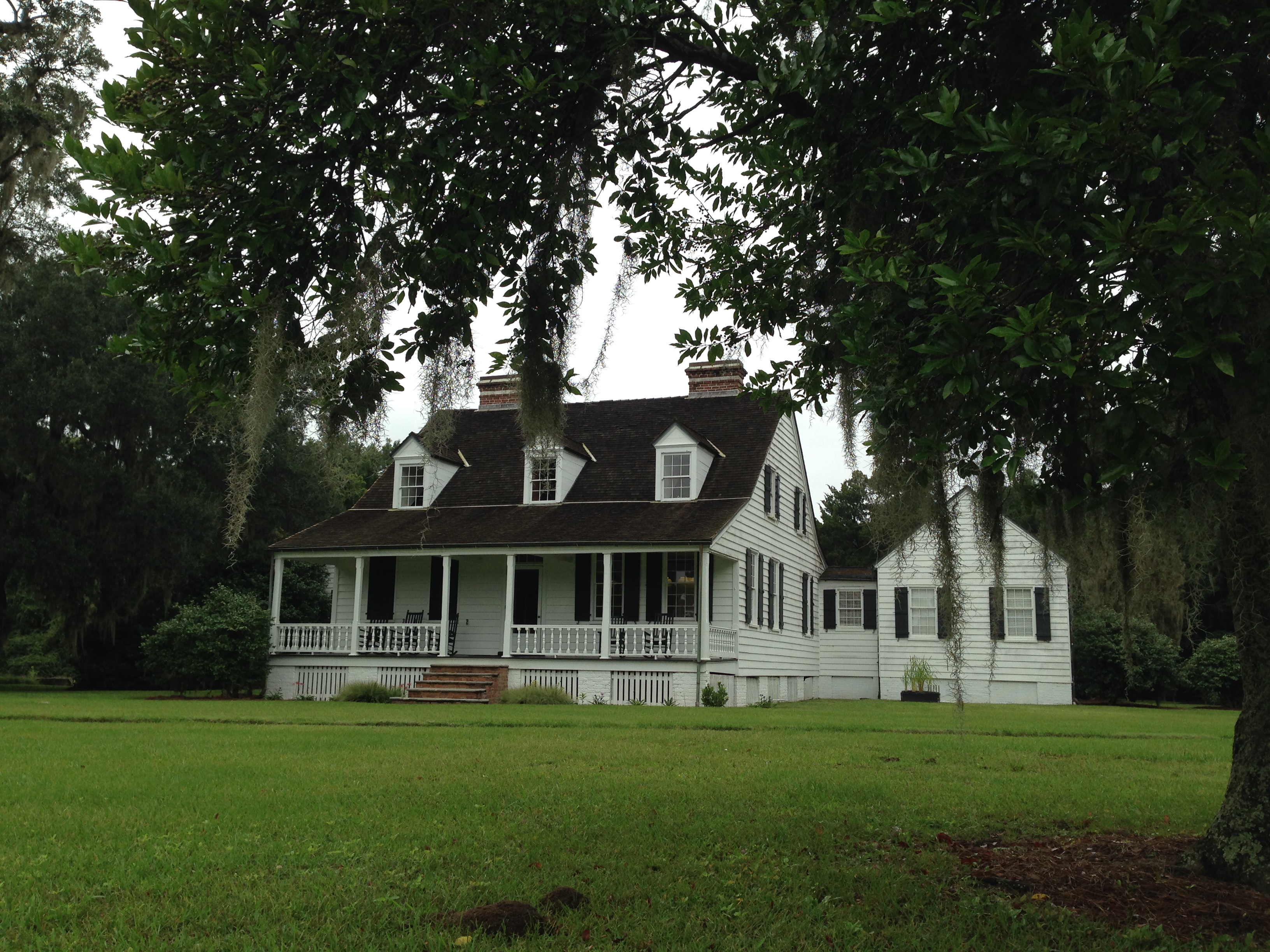
The site is anchored by an elegant 1828 coastal cottage, built on the foundations of Pinckney’s original home. While the plantation once encompassed over 700 acres, the remaining 28 acres offer a serene and evocative glimpse into 19th-century agricultural life. The landscape is a study in Lowcountry beauty, featuring majestic live oaks draped in Spanish moss, flowering southern magnolias, and resilient maritime forests that border the surrounding salt marshes. It is a place where the history of the "South Carolina Plan" for the Constitution intersects with the daily realities of the Gullah Geechee culture that emerged from the enslaved community on these very grounds.
Visiting the Charles Pinckney National Historic Site is an invitation to explore the foundations of American democracy in an intimate, natural setting. Whether you are peer into the museum exhibits that detail Pinckney's contributions to the Constitution, walking the peaceful 1/2-mile loop trail through the marsh and forest, or simply sitting on a bench beneath an ancient oak, the park provides a moving and essential connection to the complexities of our shared past. It is a sanctuary of history and nature, preserved to challenge and inspire all who seek to understand the full story of the American experiment.
Key Highlights
- The Historic Cottage: Visit the 1828 Lowcountry cottage that serves as the park’s visitor center, featuring meticulously curated exhibits on Pinckney’s life and the Constitution.
- Founding Father Legacy: Learn about Charles Pinckney’s immense influence on the U.S. Constitution, including his advocacy for a strong federal government and religious freedom.
- Snee Farm Grounds: Explore 28 acres of preserved plantation landscape, including historic ornamental gardens and the remains of 19th-century agricultural structures.
- Enslaved Community History: Discover the stories of the African people who were enslaved at Snee Farm and their vital contributions to the plantation’s success and the region's culture.
- Interpretive Loop Trail: Walk the 1/2-mile path that winds through the maritime forest and along the edge of the salt marsh, featuring detailed wayside exhibits.
- Ancient Live Oaks: Admire the spectacular "sentinels" of the estate—massive live oaks that have witnessed centuries of change on the South Carolina coast.
- Junior Ranger Program: An engaging way for children to learn about the Constitution, the meaning of citizenship, and the natural resources of the Lowcountry.
Getting There
Charles Pinckney National Historic Site is located in Mount Pleasant, South Carolina, approximately 10 miles northeast of downtown Charleston.
By Car:
- From Downtown Charleston: Cross the Arthur Ravenel Jr. Bridge and follow US Highway 17 North for approximately 6 miles. Turn left onto Long Point Road. The park entrance is on the left side of the road, about 0.7 miles from the highway.
- From I-526: Take the Long Point Road exit and head west. The park is located approximately 3 miles from the interstate on the right side of the road.
- Main Entrance: The physical address for the site is 1254 Long Point Road, Mount Pleasant, SC 29464.
Nearest Airports:
- Charleston International Airport (CHS): The closest major airport, located about 20 minutes (15 miles) from the monument. From the airport, follow I-526 East toward Mount Pleasant.
Public Transit:
- CARTA (Bus): Several local bus routes serve the Mount Pleasant area, but none provide direct service to the park gate. A personal or rental vehicle is the most efficient way to reach the site.
- Ride-Share: Taxis and ride-sharing services are readily available throughout the Charleston and Mount Pleasant areas.
Parking: Ample free parking is available for cars and RVs in a paved lot near the visitor center. The entrance gate to the parking lot is locked when the grounds are closed, so be mindful of the park’s operating hours.
For more detailed maps and coordinates, visit the official park directions page.
Best Time to Visit
The Charleston Lowcountry experiences a humid subtropical climate, making your timing important for comfort while exploring the outdoor grounds.
Spring (March - May): This is arguably the best time to visit. The weather is typically mild and pleasant (60s to 70s), and the southern magnolias and azaleas are in bloom throughout the estate. This is the peak season for outdoor photography and walking the interpretive trail.
Summer (June - August): Summers are hot and very humid. Temperatures frequently reach into the 90s, and the "heat index" can make it feel much hotter. Because the interpretive trail and much of the grounds are outdoors, it is highly recommended to visit early in the morning. The historic cottage is climate-controlled and offers a cool respite. Afternoon thunderstorms are common.
Fall (September - November): Autumn brings a welcome relief from the summer heat. The air is typically clear and the humidity drops, providing excellent conditions for birdwatching and hiking. The "golden hour" in the late afternoon is particularly spectacular over the salt marsh.
Winter (December - February): Winters are generally mild and dry, with daytime temperatures in the 50s and 60s. While snow is extremely rare, the damp coastal air can feel cold. Winter is a quiet and peaceful time at the park, offering a solitary experience in the museum and around the farm.
Operating Hours: The park grounds are generally open Wednesday through Sunday from 9:00 AM to 5:00 PM. The historic house (Visitor Center) is often open on a more limited seasonal schedule, typically Friday through Sunday. The site is closed on Thanksgiving, Christmas, and New Year's Day. Always check the park’s website or call 843-577-0242 for current hours before your visit.
Activities and Adventures
Charles Pinckney offers a blend of historical education, cultural reflection, and quiet nature study.
Guided and Self-Guided Tours: Most visitors begin with a self-guided walk of the grounds using a park brochure. A series of interpretive panels take you from the parking lot to the historic house and through the remaining 28 acres. Guided tours led by rangers or volunteers are often available during the peak season and provide deep context on Pinckney’s political career and the plantation system.
Exploring the Museum and Film: The visitor center museum is an essential first stop. Its exhibits are organized around the themes of "The Man," "The Constitution," and "The Plantation." A 20-minute park film provides a cinematic overview of Pinckney’s contributions to the Constitutional Convention and his role as an early American diplomat.
Hiking the Interpretive Trail: The 1/2-mile loop trail is a highlight for nature lovers. It winds through a maritime forest of oak and cedar, leading to a boardwalk that overlooks the tidal marsh. The trail features signage that identifies the plants and animals of the Lowcountry and explains how the enslaved people utilized these resources.
Junior Ranger Program: Children can participate in an educational program that focuses on the concepts of the Constitution and the daily life of a child on a 19th-century farm. Completing the activity booklet earns them a Junior Ranger badge and a certificate.
Birdwatching and Wildlife: The marsh and forest edges are excellent spots for spotting local wildlife. You might see ospreys, snowy egrets, and great blue herons. Keep an eye out for bluebirds in the meadows and the occasional diamondback terrapin in the marshy areas.
Photography: The historic cottage, the moss-draped live oaks, and the vistas of the salt marsh provide endless opportunities for photography. The site is a favorite for capturing the "Lowcountry aesthetic" in a quiet, undisturbed setting.
History & Significance
The story of Charles Pinckney and Snee Farm is a narrative of the birth of a nation and its inherent contradictions.
Charles Pinckney (1757-1824): Born into a wealthy and politically powerful South Carolina family, Pinckney was a true revolutionary. At age 29, he was one of the youngest delegates to the Constitutional Convention in 1787. He submitted the "Pinckney Plan" for the new government, and many of his ideas—including the age requirements for the presidency and the protection of religious freedom—were incorporated into the final document. He later served as the U.S. Minister to Spain under Thomas Jefferson.
Snee Farm and the Plantation Economy: Snee Farm was a working plantation for over 200 years. During Pinckney’s time, it was a "provision farm" that produced rice, indigo, and cattle. The wealth and political status that allowed Pinckney to focus on national affairs were built on the labor of the dozens of enslaved African people who lived and worked on his various estates. The park preserves the memory of this enslaved community, whose skills and resilience are the foundation of the region's Gullah Geechee culture.
Archaeology and Preservation: In the 1980s, the land surrounding the historic cottage was threatened by development. A successful grassroots effort led to the purchase of the 28-acre core of Snee Farm and its donation to the National Park Service. Archaeological excavations have since uncovered the foundations of the original Pinckney-era buildings and numerous artifacts that provide insight into the daily lives of the plantation’s inhabitants.
A Monument to Democracy: The site was established in 1988 to honor Pinckney’s role in the creation of the Constitution. It serves as a vital classroom for understanding the complex origins of the United States, encouraging visitors to consider the meaning of "We the People" in the context of a society that included both free and enslaved individuals.
Lodging and Camping
While there is no camping or lodging within the historic site, the Charleston area is a premier tourism destination with a wide range of options.
In-Park Camping: Not available.
Nearby Accommodations: The town of Mount Pleasant (adjacent to the monument) offers a variety of hotels, motels, and luxury inns. Downtown Charleston (10 miles southwest) features world-renowned historic hotels and charming bed and breakfasts.
State Parks: For those looking to camp, Mount Pleasant Palmetto Islands County Park and James Island County Park both offer developed campgrounds and outdoor recreation within a 20-30 minute drive.
Dining: Mount Pleasant features dozens of restaurants ranging from casual seafood shacks along Shem Creek to high-end contemporary cuisine. There are no food services within the monument grounds, but a pleasant picnic area is located near the parking lot.
Essential Information
Park Fees and Passes
- Entrance Fee: There is no fee to enter Charles Pinckney National Historic Site or its visitor center. It is a free public facility.
- Passes: While the park is free, the visitor center bookstore sells "America the Beautiful" passes for use at fee-charging National Parks across the country.
Safety Considerations
- Heat and Humidity: The South Carolina summer is intense. Always carry water and wear sun protection when exploring the outdoor grounds.
- Insects: Mosquitoes, ticks, and "no-see-ums" are common, especially near the marsh and wooded areas. Use insect repellent and check yourself after walking the trail.
- Wildlife Awareness: Be mindful of snakes (including venomous species like the copperhead) and alligators, which are native to the Lowcountry. Stay on developed paths and boardwalks.
- Historic Preservation: Help protect the site by not climbing on the trees or touching the historic structures. Do not remove any artifacts, including pottery shards or stones.
- Walking Safety: The loop trail features uneven terrain and natural surfaces. Wear sturdy, comfortable walking shoes.
Services and Facilities
The Visitor Center and Museum are fully accessible and include restrooms and water fountains. Most of the main grounds around the historic house are level and accessible via paved or gravel paths. The 1/2-mile loop trail features some uneven natural surfaces but is generally navigable for those with moderate mobility.
Contact
- Phone: 843-881-5516
- Email: [email protected]
- Official site: https://www.nps.gov/chpi/index.htm
Charles Pinckney National Historic Site is a place that challenges us to consider the full complexity of American history. By exploring the quiet beauty of Snee Farm and reflecting on the legacy of its famous owner and the enslaved community that sustained it, visitors can gain a deeper appreciation for the ongoing journey toward a more perfect union. It is a destination of profound history and peaceful Lowcountry spirit.
Park Overview
Detailed overview of the park's history, geography, and main attractions will go here. This section provides essential background information for visitors.
Top Hikes
- Iconic Summit TrailDifficulty: Strenuous • Distance: 8 miles round trip
Loading reviews…
- Waterfall LoopDifficulty: Moderate • Distance: 3 miles loop
Loading reviews…
- Lakeside WalkDifficulty: Easy • Distance: 1.5 miles out & back
Loading reviews…
Recommended Hiking Gear
Gear up for your adventure with our trusted partners. These items help support the site at no extra cost to you!

Places to Stay
- Historic Park LodgeBook early!Type: Lodge
Loading reviews…
- Riverside CampgroundReservations required.Type: Campground
Loading reviews…
- Gateway Town Hotel15 miles from entrance.Type: Nearby Hotel
Loading reviews…