Abraham Lincoln Birthplace National Historical Park
Fast Facts
Abraham Lincoln Birthplace National Historical Park
Situated in the rolling hills of central Kentucky, the Abraham Lincoln Birthplace National Historical Park preserves the site where one of America's most influential leaders was born and spent his earliest years. For more than a century, visitors from across the globe have traveled to this rural frontier setting to pay homage to the 16th President of the United States. The park is split into two distinct units—the Birthplace Unit and the Boyhood Home Unit—each offering a unique perspective on the environment that shaped Lincoln's early character and prepared him for the monumental challenges he would face during the American Civil War.
The park represents the first memorial ever erected to honor Lincoln, a project funded by donations from thousands of citizens, ranging from school children to prominent figures. This site is not just a collection of historical artifacts; it is a testament to the nation's collective memory and the enduring legacy of a man who rose from the "humble beginnings" of the Kentucky frontier to the highest office in the land. Located near Hodgenville, Kentucky, the park encompasses over 100 acres of significant landscape, including the original Sinking Spring, which served as the Lincoln family's primary water source.
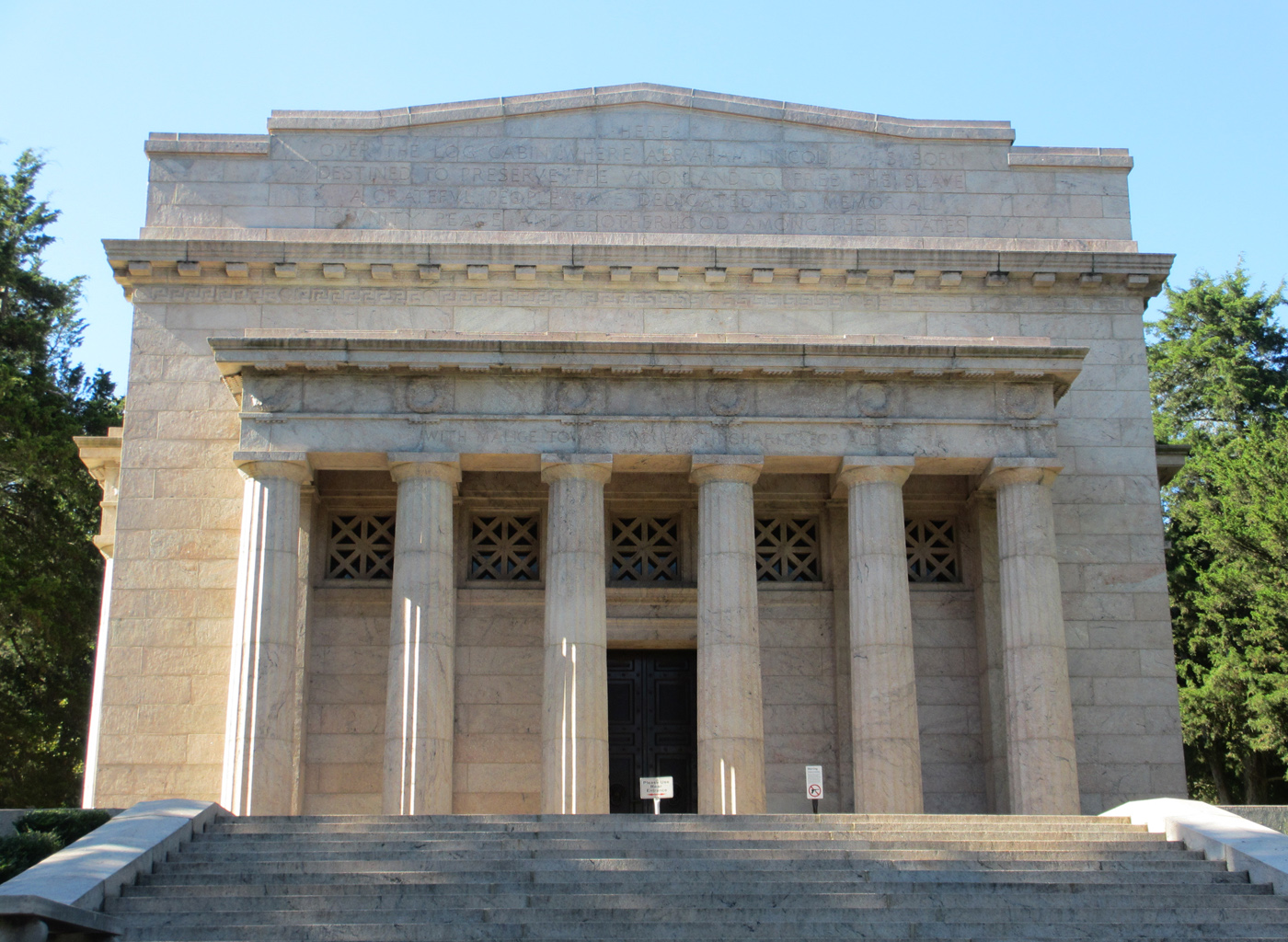
Visitors to the site can explore the grand Neoclassical Memorial Building, walk the trails where young Abraham once played, and visit the Knob Creek farm where he lived from ages two to seven. The park provides a serene atmosphere for reflection on how the hardships and simplicity of pioneer life instilled in Lincoln the resilience and empathy that defined his presidency. Whether you are a history buff, a nature enthusiast, or a family looking for an educational outing, this national historical park offers a profound connection to the roots of American leadership.
Key Highlights
- The Memorial Building: Step inside the country's first memorial to Lincoln, a stunning granite and marble structure that houses the symbolic birth cabin.
- Sinking Spring: See the natural water source that determined the location of the Lincoln family farm and provided their daily water.
- Symbolic Birth Cabin: View a 19th-century log cabin that represents the one-room structure in which Abraham Lincoln was born in 1809.
- The Boyhood Home at Knob Creek: Visit the site where Lincoln lived during his formative years, featuring a historic tavern and reconstructed cabins.
- Hiking the Big Lick Trail: Explore the hardwood forests of the Kentucky frontier on this 1.5-mile loop that showcases the local flora and fauna.
- Junior Ranger Program: An engaging way for children to learn about Lincoln's early life through interactive activities and park exploration.
- Stargazing and Astronomy: Experience the dark skies of rural Kentucky with park-led programs that highlight the same stars Lincoln saw as a child.
Getting There
Reaching the Abraham Lincoln Birthplace National Historical Park requires a trip into the heart of Kentucky's rural landscape. The park is divided into two separate locations, so planning your route between them is essential for a complete experience.
Birthplace Unit: This unit is located approximately 2 miles south of the town of Hodgenville. Most visitors arrive via U.S. Highway 31E South. The park entrance is well-marked and easily accessible from the main highway.
Boyhood Home Unit at Knob Creek: This second location is situated about 10 miles northeast of the Birthplace Unit along U.S. Highway 31E. It is important to note the distance between the two sites, as driving between them takes roughly 15 to 20 minutes depending on traffic and local conditions.
Nearest Airports: For those traveling from out of state, the nearest major airport is Louisville Muhammad Ali International Airport (SDF), located about 50 miles north of the park. From the airport, visitors can rent a car and take I-65 South toward Elizabethtown, then follow local highways to Hodgenville.
By Car: Driving is the most practical way to visit both park units. From I-65, take Exit 91A for U.S. 31E toward Hodgenville. The roads are generally well-maintained, but they are two-lane highways that wind through agricultural areas.
Public Transit: There is currently no direct public transportation or shuttle service between the two park units or from nearby cities like Louisville. Visitors should rely on personal or rental vehicles for their journey.
For detailed maps and specific turn-by-turn instructions, you can visit the official park directions page.
Best Time to Visit
The experience at Abraham Lincoln Birthplace changes significantly with the seasons, each offering a different atmosphere and set of activities. Central Kentucky experiences four distinct seasons, each with its own charm and challenges.
Spring: Spring is a period of renewal in the park. As the hardwood forests begin to bud and wildflowers bloom along the trails, the landscape transforms into a vibrant green. Temperatures are generally pleasant, ranging from the 50s to the 70s (Fahrenheit), though frequent rain showers are common. This is an excellent time for birdwatching and hiking before the summer humidity sets in. The Sinking Spring is often at its most active during the rainy spring months.
Summer: Summer in central Kentucky is characterized by high heat and significant humidity. Temperatures often climb into the 80s and 90s, making outdoor exploration more taxing. Despite the heat, summer is the busiest visitor season. The lush canopy provides some shade on the Big Lick Trail, and the Memorial Building offers a cool, shaded environment for viewing the birth cabin. It is recommended to visit early in the morning to avoid the midday sun and potential afternoon thunderstorms.
Fall: Many consider autumn the best time to visit the park. The cooling temperatures and the spectacular changing colors of the Kentucky frontier create a stunning backdrop for photography and hiking. The humidity drops, making for crisp, clear days perfect for exploring the Knob Creek unit. Fall festivals in the nearby town of Hodgenville often coincide with the season, adding to the local atmosphere.
Winter: Winter brings a quiet, contemplative mood to the park. While temperatures are moderately cold and can dip below freezing, the lack of foliage allows for better visibility of the park's topography and the limestone features around Sinking Spring. Mixed precipitation, including occasional snow or ice, can occur. The Memorial Building remains a striking landmark against the winter landscape, and visitor numbers are at their lowest, providing a more solitary experience.
Activities and Adventures
The park offers a variety of ways to engage with the history and natural beauty of the area. Visitors should plan for at least a half-day to explore both units thoroughly.
Guided Tours: Ranger-led programs are frequently available, especially during the peak summer season. These tours provide in-depth historical context regarding the Lincoln family's time in Kentucky, the construction of the memorial, and the daily lives of frontier settlers. Checking the schedule at the Visitor Center upon arrival is the best way to catch a tour.
Self-Guided Walking Tours: Both the Birthplace and Boyhood Home units feature well-marked paths and interpretive signage. You can walk at your own pace from the Visitor Center up the symbolic 56 steps (one for each year of Lincoln's life) to the Memorial Building. At Knob Creek, you can explore the creek banks and the site of the former Lincoln family farm.
Junior Ranger Program: This is a highlight for families. Children can pick up a workbook at the Visitor Center and complete various educational tasks as they explore the park. Upon completion, they receive a Junior Ranger badge, fostering a lifelong interest in history and national parks.
Hiking: The Big Lick Trail at the Birthplace Unit offers a 1.5-mile loop through the forest. It is a moderate hike that takes you through the karst landscape, showcasing the limestone formations that are characteristic of the region. At Knob Creek, the Overlook Trail provides a more strenuous hike with views of the valley where Lincoln played as a boy.
Wildlife Watching: The park is home to a variety of Kentucky wildlife. Birdwatchers can spot numerous species, including cardinals (the state bird), woodpeckers, and seasonal migratory birds. In the early morning or late evening, white-tailed deer are often seen grazing in the meadows near the Visitor Center.
Museum Exhibits and Film: Before heading out to the grounds, spend time in the Visitor Center. A high-quality park film provides a cinematic introduction to Lincoln's Kentucky years. The museum exhibits feature artifacts from the period and interactive displays that explain the significance of the "Sinking Spring" farm.
History & What to See
The Abraham Lincoln Birthplace is rich with symbolic architecture and natural historical markers. Understanding the history of the site itself is as important as learning about Lincoln.
The Memorial Building: Completed in 1911, this Neoclassical structure was designed by famed architect John Russell Pope. It was built using Connecticut pink granite and Tennessee marble. The building contains 56 steps leading to the entrance, symbolizing the years of Lincoln's life. Inside, the ceiling features 16 rosettes, representing Lincoln as the 16th president. This "temple" was built specifically to protect the symbolic log cabin from the elements and to serve as a permanent shrine to his memory.
The Symbolic Birth Cabin: While the exact original cabin no longer exists, the one housed inside the Memorial Building is a 19th-century log cabin of the same style and dimensions. For many years, it was believed to be the original, but historical research later determined it was a contemporary cabin from the same region. It remains a powerful symbol of the primitive conditions into which Lincoln was born on February 12, 1809.
Sinking Spring: Located just below the hill where the Memorial Building stands, Sinking Spring is a classic example of the karst geology found in Kentucky. The water flows from the ground and eventually sinks back into the limestone earth. For the Lincoln family, this was the primary reason they chose to settle here. The spring remains an active feature today and is a focal point of the park's landscape.
Knob Creek Boyhood Home: The Lincolns moved to this 228-acre farm when Abraham was two years old. Lincoln later recalled that his earliest memories were of this farm. The site includes the historic Knob Creek Tavern, which served travelers on the Old Cumberland Road in the 19th century. Today, visitors can see the field where the family grew corn and the creek where Abraham once nearly drowned, only to be saved by his friend Austin Gollaher.
Lodging and Camping
While the Abraham Lincoln Birthplace National Historical Park does not offer in-park lodging or developed campgrounds, there are several options in the surrounding area.
In-Park Camping: There are no campgrounds within the park boundaries. Picnicking is allowed in designated areas, but overnight stays are prohibited.
Nearby Accommodations: The town of Hodgenville, just 2 miles north, offers a few local guesthouses and bed and breakfasts. For more traditional hotel and motel options, Elizabethtown is located approximately 15 miles to the northwest. Elizabethtown features a wide range of national hotel chains and numerous dining options.
State Park Alternatives: For those looking to camp, Nolin Lake State Park and Abraham Lincoln State Park (operated by the state of Kentucky) are within a reasonable driving distance. These parks offer developed campsites for tents and RVs, as well as opportunities for boating and fishing.
Always check the park's official site or local tourism boards for the most current information on nearby lodging.
Essential Information
Park Fees and Passes
- Entrance Fee: No entrance fee is required to visit either the Birthplace Unit or the Boyhood Home Unit.
- Special Programs: Some special events or guided programs may have separate requirements, but general access to the grounds and visitor centers is free of charge.
Safety Considerations
- Ticks and Insects: When hiking the trails, especially in the spring and summer, be aware of ticks and mosquitoes. It is recommended to stay on the trails and use insect repellent.
- Weather Awareness: Kentucky weather can change rapidly. Be prepared for high humidity in the summer and potential sudden thunderstorms. In winter, be cautious of slippery surfaces on the outdoor steps and trails.
- Historic Preservation: Help protect the site by not climbing on the stone walls or historical structures. Do not remove any plants, rocks, or artifacts from the park.
- Hydration: Carry water with you, especially during the hot summer months, as the humidity can lead to dehydration quickly during outdoor activities.
Services and Facilities
The Visitor Center at the Birthplace Unit is fully accessible and includes a bookstore, restrooms, and water fountains. The Memorial Building is also accessible via a ramp located on the side of the structure. The Boyhood Home Unit has more limited facilities, including seasonal restrooms and a small visitor contact station at the Knob Creek Tavern.
Contact
- Phone: 270-358-3137
- Email: [email protected]
- Official site: https://www.nps.gov/abli/index.htm
Abraham Lincoln Birthplace National Historical Park offers a rare opportunity to see the modest environment that produced one of the world's greatest leaders. By walking the same ground and drinking from the same spring as the young Lincoln, visitors can gain a deeper appreciation for the American spirit of perseverance and the humble roots of greatness. It is a must-visit destination for anyone seeking to understand the foundational years of the man who preserved the Union.
Park Overview
Detailed overview of the park's history, geography, and main attractions will go here. This section provides essential background information for visitors.
Top Hikes
- Iconic Summit TrailDifficulty: Strenuous • Distance: 8 miles round trip
Loading reviews…
- Waterfall LoopDifficulty: Moderate • Distance: 3 miles loop
Loading reviews…
- Lakeside WalkDifficulty: Easy • Distance: 1.5 miles out & back
Loading reviews…
Recommended Hiking Gear
Gear up for your adventure with our trusted partners. These items help support the site at no extra cost to you!

Places to Stay
- Historic Park LodgeBook early!Type: Lodge
Loading reviews…
- Riverside CampgroundReservations required.Type: Campground
Loading reviews…
- Gateway Town Hotel15 miles from entrance.Type: Nearby Hotel
Loading reviews…