African Burial Ground National Monument
Fast Facts
African Burial Ground National Monument
In the shadows of the towering skyscrapers of Lower Manhattan lies one of the most significant archaeological and historical sites in the United States: the African Burial Ground National Monument. This site stands as the oldest and largest known excavated burial ground in North America for both free and enslaved Africans. It offers a profound and sobering testament to the enduring legacy of the African communities whose labor, resilience, and cultural contributions were fundamental in shaping the early development of New York City and the nation as a whole.
The discovery of the burial ground in 1991 was accidental, occurring during the preliminary excavation for a new federal office building at 290 Broadway. The find halted construction and sparked a powerful grassroots movement to preserve the site and honor those interred there. Today, the monument consists of a poignant outdoor memorial and an indoor visitor center and museum that educate the public about the lives, struggles, and humanity of the thousands of individuals buried here during the 17th and 18th centuries. It is a place of memory, reclamation, and deep spiritual significance.
Visiting the African Burial Ground is a unique experience that bridges the gap between the colonial past and the modern urban landscape. It provides a space for reflection on the realities of enslavement in the North and the often-hidden history of the people who literally built the foundation of New York. Whether you are visiting the Ancestral Libation Chamber or exploring the detailed museum exhibits, the monument offers a powerful connection to the ancestral roots of the African Diaspora in America.
Key Highlights
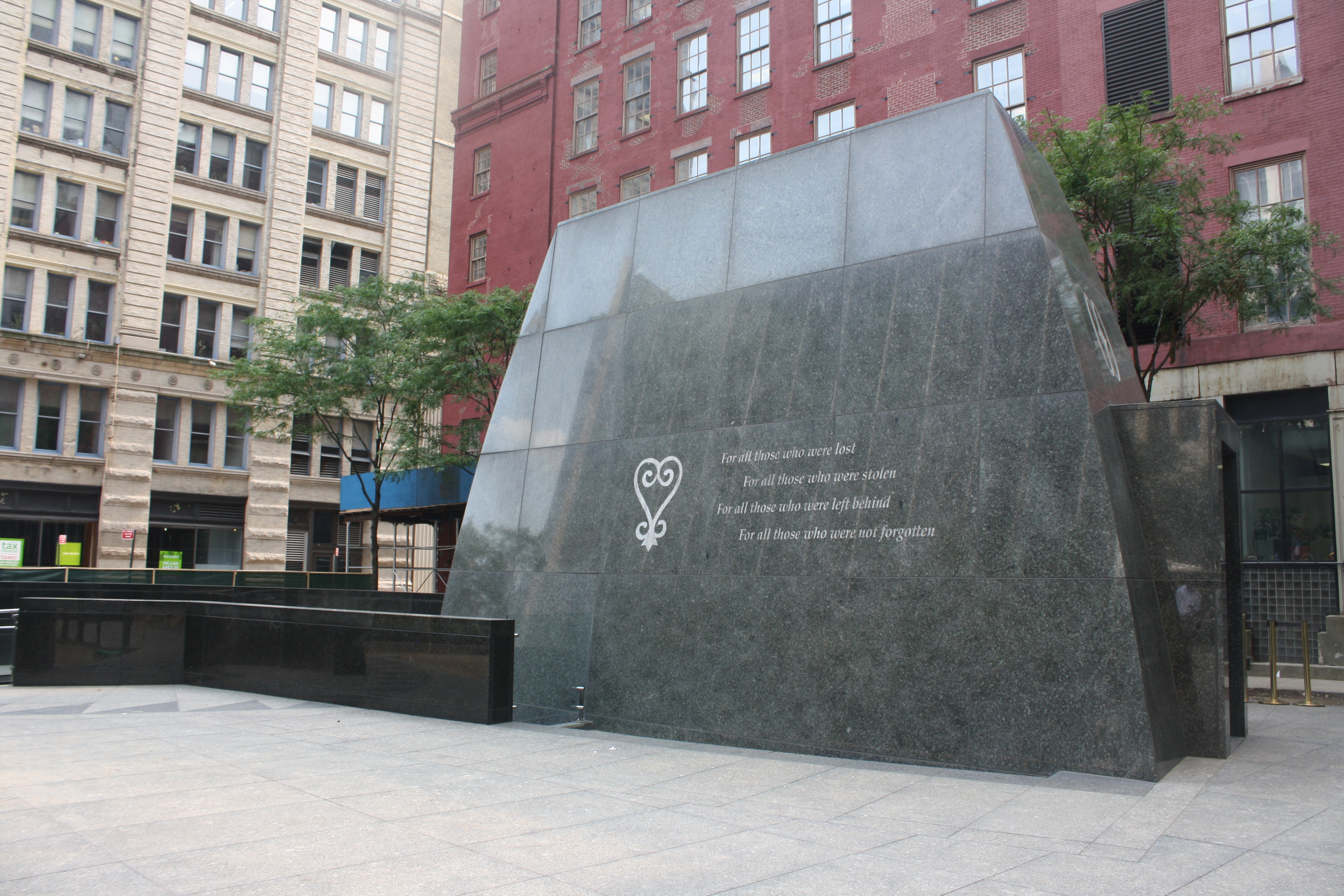
- The Outdoor Memorial: Experience the striking Ancestral Libation Chamber, a granite monument that symbolizes the journey from the physical world to the spiritual world.
- Circle of Diaspora: Walk the circular path featuring symbols etched into the stone that represent different cultures and beliefs across the African Diaspora.
- Museum Exhibits: Explore interactive displays that showcase the archaeological findings and tell the stories of the individuals buried at the site.
- Ancestral Reinterment: Learn about the moving 2003 ceremony where the remains of 419 individuals were returned to the ground in hand-carved coffins from Ghana.
- Junior Ranger Program: An educational opportunity for young visitors to learn about archaeology and African American history through site-specific activities.
- Guided Tours: Participate in ranger-led talks that provide deep historical context and explain the complex design elements of the memorial.
- Film Screenings: Watch a documentary in the visitor center that details the discovery of the burial ground and the community effort to protect it.
Getting There
The African Burial Ground National Monument is located at 290 Broadway in Lower Manhattan, just north of City Hall and close to Foley Square. Its central location makes it easily accessible via numerous transportation methods.
By Subway: The most efficient way to reach the monument is by the New York City Subway. Several lines have stops within a few blocks of the site:
- 4, 5, 6 lines: Stop at Brooklyn Bridge-City Hall.
- R, W lines: Stop at City Hall.
- A, C, E, 2, 3 lines: Stop at Chambers Street.
- J, Z lines: Stop at Chambers Street or Canal Street.
By Bus: Numerous MTA bus routes serve the Lower Manhattan area, including the M5, M9, M15, M22, and M103. Most of these buses stop within walking distance of Broadway and Duane Street.
By Car: Driving to Lower Manhattan is generally not recommended due to heavy traffic and high parking costs. If you must drive, there are several commercial parking garages in the area, but they are expensive. Street parking is extremely limited and heavily regulated.
Nearest Airports: New York City is served by three major airports: John F. Kennedy International (JFK), LaGuardia (LGA), and Newark Liberty International (EWR). All have various rail and bus connections that eventually lead to the subway system, which will take you to the monument.
Security Entrance: Please note that the indoor visitor center is located within a federal building (the Ted Weiss Federal Building). Visitors must enter through a security screening point similar to those at airports. The outdoor memorial is accessible directly from the street at the corner of Duane Street and African Burial Ground Way (Elk Street).
For further details and maps, please refer to the official directions page.
Best Time to Visit
The monument's indoor and outdoor components offer different experiences throughout the year. New York City weather can be extreme, so planning based on the season is advisable.
Spring: Spring is a pleasant time to visit, with temperatures gradually warming into the 50s and 60s. The outdoor memorial is especially peaceful during this time as the surrounding urban greenery begins to bloom. It is a good time for walking tours of the historic district surrounding the site.
Summer: Summers in New York can be very hot and humid. While the outdoor memorial is beautiful in the sunlight, the heat can be intense. Fortunately, the indoor visitor center and museum are climate-controlled and provide a cool environment for exploring the exhibits. Note that the outdoor memorial has extended summer hours (10:00 AM to 5:00 PM) from May through early September.
Fall: Autumn is often considered the best time to visit NYC. The air is crisp and clear, making for comfortable outdoor reflection at the Ancestral Libation Chamber. The crowds in Lower Manhattan are manageable, and the walk between the burial ground and other nearby sites like Federal Hall or the 9/11 Memorial is pleasant.
Winter: Winters are cold and can be snowy. While the outdoor memorial remains open (weather permitting), it can be quite windy between the tall buildings. The indoor museum remains a warm and inviting place to spend time. Visiting during the winter months allows for a more quiet and solitary experience, fitting for the solemn nature of the site.
Important Dates: The monument observes special hours or closures on federal holidays. It is particularly significant to visit around Juneteenth (June 19th), when the park often holds special commemorative events.
Activities and Adventures
The African Burial Ground offers a range of educational and contemplative activities for visitors of all ages.
Exploring the Museum: The visitor center features a comprehensive museum with life-sized figures, artifacts, and interactive displays. These exhibits focus on the daily lives of Africans in colonial New York, detailing their occupations, family structures, and the ways they maintained their cultural traditions despite the horrors of enslavement.
The Ancestral Libation Chamber: This is the heart of the outdoor memorial. Designed by architect Rodney Leon, the chamber is a soaring granite structure that visitors can walk through. It is designed to be a place for prayer, meditation, and the pouring of libations to honor the ancestors. The architecture is rich with symbolism, including the "Map of the World" carved into the floor.
Guided Tours and Ranger Talks: NPS rangers offer regular tours that explain the complex history of the site. They provide insights into the archaeological process used to study the remains and the ethical considerations involved in excavating a sacred burial ground. These talks are highly recommended for gaining a deeper understanding of the site's importance.
Junior Ranger Program: Children can engage with the history of the site through the Junior Ranger workbook. This program encourages young people to think like archaeologists and historians, helping them connect with the stories of the individuals buried at the monument.
Research and Reflection: For many, a visit to the African Burial Ground is a deeply personal journey. The site provides a rare opportunity for descendants of the African Diaspora to stand on the ground where their ancestors were laid to rest. The "Wall of Remembrance" and the various etched symbols provide focal points for quiet reflection.
Educational Films: The visitor center theater regularly shows a film that provides a historical overview of the site. This is often the best place to start your visit, as it sets the stage for the museum exhibits and the memorial outside.
History & What to See
The history of the African Burial Ground is a story of both historical tragedy and modern reclamation.
Discovery and Archaeology: In 1991, during a routine archaeological survey for the construction of a 34-story federal building, workers discovered human remains. What was originally thought to be a small burial site was eventually revealed to be a six-acre cemetery containing an estimated 15,000 to 20,000 burials. This site, used between the 1630s and 1795, was the final resting place for much of New York's enslaved and free African population.
The Lives of the Enslaved: The archaeological study of the remains provided unprecedented information about the lives of Africans in the North. Analysis showed signs of intense physical labor, malnutrition, and infectious disease, but it also revealed cultural practices such as the inclusion of burial goods like beads and shells, indicating that the community maintained its dignity and traditions.
Ancestral Reinterment: In 2003, after years of study at Howard University, the remains of the 419 individuals who had been excavated were returned to the site. They were placed in hand-carved mahogany coffins from Ghana and reinterred in seven burial mounds at the site of the original cemetery. This ceremony was a major international event, symbolizing the return of the ancestors to their rightful resting place.
Design of the Memorial: The memorial was designed by Rodney Leon and dedicated in 2007. Every element of the design is symbolic. The "Ancestral Libation Chamber" represents the rising of the spirit. The "Circle of Diaspora" features symbols from various African traditions, including the Adinkra symbols from Ghana. The orientation of the monument toward the rising sun symbolizes rebirth and hope.
Lodging and Camping
As a metropolitan site in the heart of New York City, there is no camping or traditional park lodging available.
In-Park Camping: Not applicable.
Lower Manhattan Hotels: The Financial District and Tribeca areas have numerous hotels ranging from luxury boutiques to more standard business accommodations. Staying in Lower Manhattan puts you within walking distance of the African Burial Ground, as well as the 9/11 Memorial, Wall Street, and the Statue of Liberty ferry.
Brooklyn and Queens: For more moderately priced lodging, many visitors stay in nearby boroughs like Brooklyn (Downtown Brooklyn or Williamsburg) or Queens (Long Island City) and take the subway into Manhattan.
Short-Term Rentals: New York City has strict regulations on short-term rentals, but legal options are available for those looking for a more residential experience in the city.
Essential Information
Park Fees and Passes
- Entrance Fee: There is no charge to visit the African Burial Ground National Monument. Access to both the visitor center and the outdoor memorial is free.
- Tours: Ranger-led tours are also free, though advanced reservations are recommended for large groups.
Safety Considerations
- Federal Security: Because the visitor center is in a federal building, be prepared for security screening. Do not bring prohibited items such as knives, pepper spray, or large metal objects.
- Urban Environment: Lower Manhattan is a high-traffic area. Be mindful of vehicles and crowded sidewalks when moving between the indoor and outdoor portions of the site.
- Respectful Conduct: The monument is a sacred burial site. Visitors are asked to maintain a respectful and quiet demeanor, especially when at the outdoor memorial.
- Weather: The outdoor memorial is exposed to the elements. Be prepared for sun in the summer and wind/snow in the winter.
Services and Facilities
The indoor visitor center is fully accessible and includes restrooms, water fountains, and a park store where you can purchase books and educational materials. The outdoor memorial is also designed to be accessible to visitors with mobility impairments.
Contact
- Phone: 212-238-4367
- Email: [email protected]
- Official site: https://www.nps.gov/afbg/index.htm
The African Burial Ground National Monument is a place of profound power and importance. It challenges us to confront the difficult parts of our shared history while celebrating the strength and endurance of the human spirit. A visit here is not just a lesson in history; it is an act of remembrance for those whose lives and labor were essential to the creation of the world we inhabit today.
Park Overview
Detailed overview of the park's history, geography, and main attractions will go here. This section provides essential background information for visitors.
Top Hikes
- Iconic Summit TrailDifficulty: Strenuous • Distance: 8 miles round trip
Loading reviews…
- Waterfall LoopDifficulty: Moderate • Distance: 3 miles loop
Loading reviews…
- Lakeside WalkDifficulty: Easy • Distance: 1.5 miles out & back
Loading reviews…
Recommended Hiking Gear
Gear up for your adventure with our trusted partners. These items help support the site at no extra cost to you!

Places to Stay
- Historic Park LodgeBook early!Type: Lodge
Loading reviews…
- Riverside CampgroundReservations required.Type: Campground
Loading reviews…
- Gateway Town Hotel15 miles from entrance.Type: Nearby Hotel
Loading reviews…