Alaska Public Lands
Fast Facts
Alaska Public Lands Information Centers
For anyone planning to venture into the vast and varied wilderness of the 49th state, the Alaska Public Lands Information Centers (APLIC) are an indispensable resource. Often described as the "one-stop shop" for Alaskan adventures, these centers represent a unique partnership between several federal and state agencies, including the National Park Service, the U.S. Forest Service, the U.S. Fish and Wildlife Service, the Bureau of Land Management, and the Alaska State Parks. Their primary mission is to help visitors and residents alike have safe, meaningful, and enjoyable experiences while exploring the state's millions of acres of public lands.
Alaska is a land of staggering scale, with geography that ranges from temperate rainforests and glaciated mountains to arctic tundra and volcanic islands. Navigating the logistics of visiting such diverse environments can be daunting, and that is where the APLIC centers excel. Located in four key hubs across the state—Anchorage, Fairbanks, Ketchikan, and Tok—these centers provide personalized trip-planning assistance, expert advice on backcountry safety, and a wealth of interpretive materials that explain the complex natural and cultural history of Alaska.
Whether you are looking for information on camping in Denali, kayaking in Glacier Bay, or hiking in the Chugach National Forest, the staff at the APLIC centers can provide current conditions, permit requirements, and practical tips that can make the difference between a successful trip and a dangerous one. Beyond logistical support, the centers also serve as educational museums, featuring high-quality exhibits on Alaska’s eight distinct eco-regions and the diverse people who have called this land home for thousands of years.
Key Highlights
- Expert Trip Planning: Receive one-on-one assistance from rangers and specialists who represent all of Alaska’s major land management agencies.
- Bear Safety Education: Participate in essential workshops and view films that teach you how to travel safely in bear country, a critical skill for any Alaskan explorer.
- Four Strategic Locations: Access services in Anchorage, Fairbanks, Ketchikan, and Tok, ensuring you have support no matter where your journey begins.
- Interactive Museum Exhibits: Explore displays that showcase the incredible diversity of Alaska’s flora, fauna, and geology.
- Discovery Theater: Watch award-winning films that delve into the "Life in Alaska" and the unique challenges and rewards of living and traveling in the north.
- Statewide Permit Information: Get the latest information on required permits for backcountry travel, hunting, fishing, and camping across various jurisdictions.
- Junior Ranger Program: An engaging program for younger visitors that encourages them to learn about and protect Alaska's vast natural resources.
Getting There
The Alaska Public Lands Information Centers are situated in prominent, easy-to-find locations within Alaska's major cities and entry points.
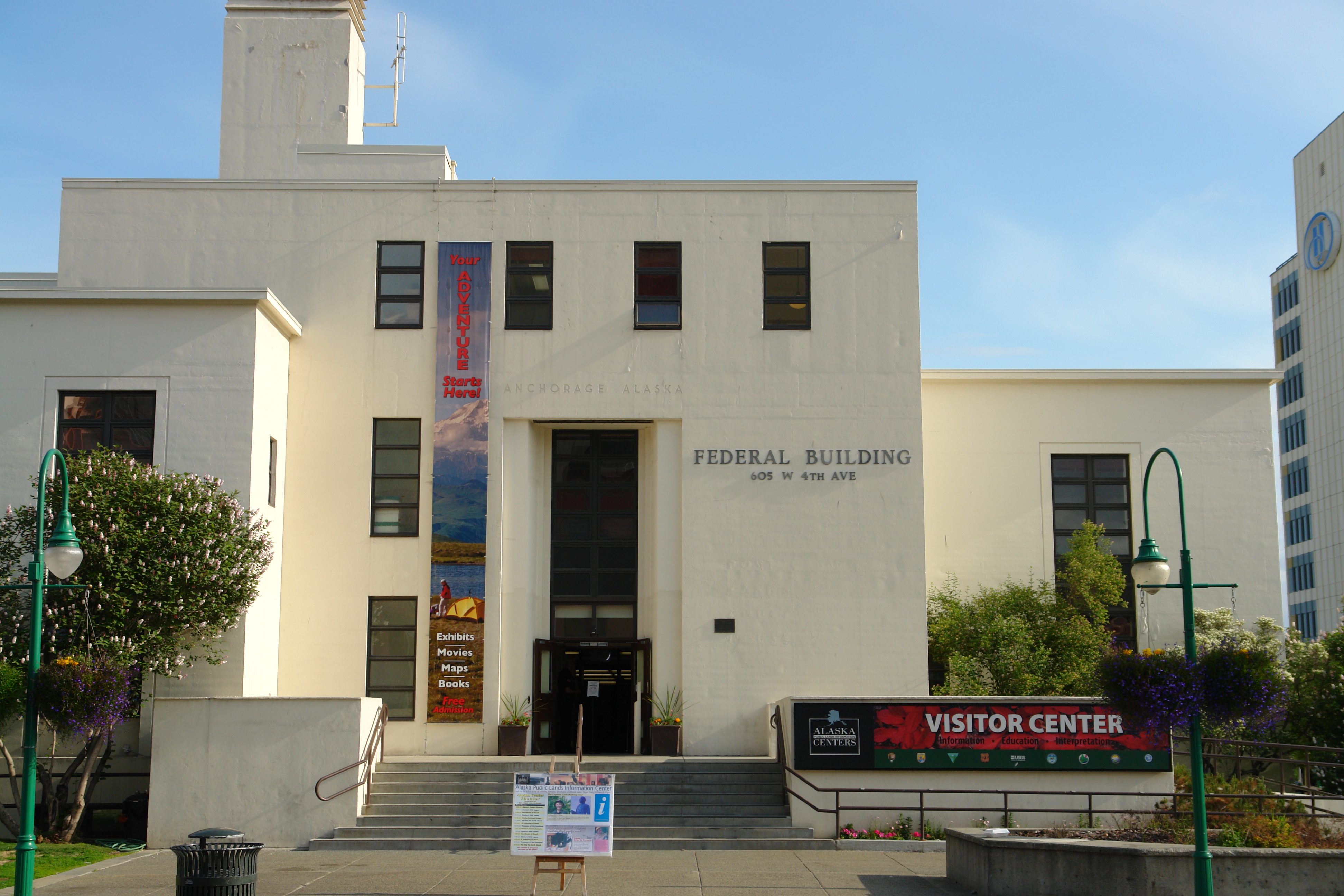
Anchorage Location: The Anchorage center is located in the heart of downtown at 605 West 4th Avenue, Suite 105. It is housed within the historic Federal Building. This central location is within walking distance of many downtown hotels, the Log Cabin Visitor Center, and several popular shops and restaurants.
Fairbanks Location: In Fairbanks, the center is located at the corner of Dunkel Street and Wendell Avenue, inside the Morris Thompson Cultural & Visitors Center. This location is situated along the Chena River and is a hub for cultural and historical information in the Interior.
Ketchikan Location: For those arriving via the Inside Passage, the Ketchikan center is located at 50 Main Street, within the Southeast Alaska Discovery Center. It is just a short walk from the cruise ship docks.
Tok Location: The Tok center is located at the junction of the Alaska Highway and the Tok Cut-Off. This is often the first stop for visitors driving into Alaska from Canada.
Nearest Airports:
- Anchorage: Ted Stevens Anchorage International Airport (ANC) is the major hub for the state.
- Fairbanks: Fairbanks International Airport (FAI) serves the Interior region.
- Ketchikan: Ketchikan International Airport (KTN) is the gateway to Southeast Alaska.
Public Transit: In Anchorage, the "People Mover" bus system has several stops near the Federal Building. In Fairbanks, the "MACS" bus system provides service to the downtown area. Both cities are also served by the Alaska Railroad, which has depots located near the centers.
For detailed maps and specific turn-by-turn instructions, please refer to the official APLIC directions page.
Best Time to Visit
The role of the Alaska Public Lands Information Centers shifts with the changing seasons of the North.
Spring (April - May): This is the prime time for "early-season" trip planning. As the snow begins to melt (the "breakup" period), visitors come to the centers to check on trail conditions and the opening dates for various National Parks. The centers offer a quiet environment for in-depth research before the summer crowds arrive.
Summer (June - August): This is the busiest time for the centers. Thousands of visitors pass through daily, seeking immediate information on weather, wildlife sightings, and last-minute camping options. This is the peak season for ranger-led talks, film screenings, and bear-safety demonstrations. The centers are essential for those looking to stay safe during the height of the Alaskan outdoor season.
Fall (September - October): As the fall colors sweep across the tundra, the centers become hubs for those interested in aurora borealis viewing and fall hiking. Information on seasonal closures (roads and facilities) is a high priority during this time. The centers also begin their transition into winter educational programming.
Winter (November - March): During the long Alaskan winter, the centers serve as important community resources. They host guest speaker series, school group tours, and provide information on winter recreation such as cross-country skiing, dog mushing, and ice fishing. While the focus on tourism decreases, the commitment to education and safety remains constant.
Activities and Adventures
The APLIC centers offer much more than just brochures; they are destinations in their own right.
Trip-Planning Workshops: Rangers often hold scheduled sessions that help visitors map out their routes, understand the timing of bush plane flights, and coordinate between different park and refuge systems. This is particularly valuable for complex trips involving multiple agencies.
Bear Safety Classes: One of the most important services provided is bear-safety education. Visitors can learn how to properly use bear spray, how to store food in bear-resistant containers, and what to do in the event of an encounter. Many centers even have practice canisters to help you get a feel for the equipment.
Museum Tours: Each center has unique exhibits. For instance, the Fairbanks center features dioramas that illustrate the seasons in the Interior, while the Ketchikan center focuses on the rainforest and salmon cycles of the Southeast. These museums are free and provide a great introduction to the state's ecology.
Film Screenings: The theaters at the centers show a variety of films on a rotating basis. Topics include the construction of the Alaska Highway, the history of the Iditarod, and the diverse cultures of Alaska's Indigenous peoples.
Junior Ranger Program: Children can earn patches and badges by completing workbooks that require them to interact with the exhibits and talk to the rangers. This is a fantastic way to keep young travelers engaged and educated during their visit.
Bookstore and Gift Shop: Managed by the Alaska Sealife Center or other non-profit partners, the shops within the centers offer an excellent selection of topographic maps, field guides, and high-quality Alaskan-made gifts and books.
Services and Agency Partnerships
The APLIC centers are a model of government efficiency, bringing together multiple agencies under one roof to serve the public better.
The Multi-Agency Concept: By having representatives from the NPS, USFS, USFWS, and BLM in one place, the APLIC centers eliminate the confusion often associated with Alaska's complex land ownership patterns. If you have a question that spans a National Park and an adjacent State Park, you can get the answer in one stop.
National Park Service (NPS): Provides information on all 17 NPS units in Alaska, from the world-famous Denali to the remote Gates of the Arctic. They can assist with the complex lottery system for Denali's park road and provide backcountry orientation for remote parks.
U.S. Forest Service (USFS): Offers details on the Tongass and Chugach National Forests, including information on the extensive network of public use cabins, which are a popular way to experience the Alaskan wilderness.
U.S. Fish and Wildlife Service (USFWS): Covers the 16 National Wildlife Refuges in Alaska, which protect critical habitat for millions of migratory birds, caribou, and polar bears. They provide expert advice on birdwatching and sustainable wildlife viewing.
Bureau of Land Management (BLM): Manages vast tracts of land in the Interior and Arctic regions, including the popular Dalton Highway corridor. They provide essential information for those driving to the Arctic Ocean or rafting on wild and scenic rivers.
Lodging and Camping
While the APLIC centers themselves do not offer lodging, they are the primary source of information for finding accommodations throughout the state.
Urban Lodging: The centers in Anchorage and Fairbanks are surrounded by a wide range of hotels, hostels, and bed and breakfasts. Many visitors use these cities as their base camp while planning more remote excursions.
Public Use Cabins: One of the most sought-after pieces of information at the centers is how to book "Public Use Cabins." These rustic cabins, located throughout the National Forests and Parks, must be reserved in advance and provide a unique way to stay in the wilderness.
Camping Information: The centers provide detailed maps of campgrounds across the state, including those operated by the state of Alaska, various federal agencies, and private owners. They can advise on which campgrounds are suitable for RVs and which are for tent camping only.
Essential Information
Park Fees and Passes
- Entrance Fee: There is no fee to enter any of the Alaska Public Lands Information Centers. They are free public facilities.
- Passes: The centers sell the "America the Beautiful" National Parks and Federal Recreational Lands passes, which are valid for entrance fees at National Parks throughout the country.
Safety Considerations
- Wilderness Preparedness: Alaska is not a place for the unprepared. The centers emphasize the importance of the "Ten Essentials" and the need for a solid trip plan.
- Weather Awareness: Rapidly changing weather is a constant in Alaska. The centers provide up-to-date forecasts and can explain the implications of weather on small aircraft travel and river crossings.
- Wildlife Awareness: Beyond bears, the centers provide information on safely viewing moose, wolves, and other wildlife. They stress the importance of never feeding wild animals.
- Remote Communications: Rangers can advise on the best types of emergency communication devices for different parts of the state, such as satellite phones, PLBs, or inReach devices.
Services and Facilities
All APLIC centers are fully accessible to visitors with disabilities. Facilities include restrooms, water fountains, theaters, and museum spaces. The staff is trained to assist visitors with a wide range of questions and needs.
Contact
- Phone (Anchorage): 907-644-3661
- Phone (Fairbanks): 907-459-3730
- Email (Anchorage): [email protected]
- Email (Fairbanks): [email protected]
- Official site: https://www.nps.gov/anch/index.htm
A visit to an Alaska Public Lands Information Center is the best first step for any Alaskan journey. By providing the tools, knowledge, and inspiration needed to explore the state's wild places, these centers ensure that the legacy of Alaska's public lands remains accessible and protected for generations to come.
Park Overview
Detailed overview of the park's history, geography, and main attractions will go here. This section provides essential background information for visitors.
Top Hikes
- Iconic Summit TrailDifficulty: Strenuous • Distance: 8 miles round trip
Loading reviews…
- Waterfall LoopDifficulty: Moderate • Distance: 3 miles loop
Loading reviews…
- Lakeside WalkDifficulty: Easy • Distance: 1.5 miles out & back
Loading reviews…
Recommended Hiking Gear
Gear up for your adventure with our trusted partners. These items help support the site at no extra cost to you!

Places to Stay
- Historic Park LodgeBook early!Type: Lodge
Loading reviews…
- Riverside CampgroundReservations required.Type: Campground
Loading reviews…
- Gateway Town Hotel15 miles from entrance.Type: Nearby Hotel
Loading reviews…