Alagnak Wild River
Fast Facts
Alagnak Wild River
Meandering through the rugged and beautiful landscape of the Alaska Peninsula, the Alagnak Wild River is one of the most remote and spectacular waterways in the National Park System. Its headwaters are born in the high, glaciated peaks of the Aleutian Range within Katmai National Park and Preserve. From there, the river flows westward, traversing a vast expanse of tundra and boreal forest before eventually emptying into the Kvichak River and the salmon-rich waters of Bristol Bay. The Alagnak is celebrated for its pristine wilderness, offering an unparalleled opportunity to witness the raw power of Alaska's natural cycles.
The name "Alagnak" comes from a Yup'ik word meaning "mistake," possibly referring to the river's complex, braided channels in its lower reaches that could easily confuse a traveler. Today, the river is anything but a mistake for those seeking a true wilderness adventure. It is world-renowned as a premier destination for sport fishing, particularly for its massive runs of all five species of Pacific salmon. The river's health is intrinsically tied to these salmon, which provide the essential nutrients that support an entire ecosystem, from the towering brown bears to the lush riparian vegetation.
Visiting the Alagnak Wild River is a journey into one of the last great wild places on Earth. There are no roads, no permanent settlements, and no visitor centers along its banks. Instead, travelers find a landscape dominated by the sounds of rushing water, the calls of migratory birds, and the occasional splash of a bear fishing for its next meal. For those prepared for the challenges of the Alaskan wilderness, the Alagnak offers a profound sense of solitude and a front-row seat to the dramatic interplay of wildlife, water, and weather.
Key Highlights
- World-Class Salmon Fishing: Experience the legendary runs of King, Sockeye, Pink, Silver, and Chum salmon that fill the river each summer.
- Brown Bear Viewing: Observe Alaska’s iconic brown bears as they congregate along the riverbanks during the peak of the salmon spawn.
- Whitewater Rafting: Navigate the river's diverse sections, ranging from the gentle meanders of the lower river to the Class I-III rapids of the upper Alagnak.
- Remote Wilderness Camping: Spend your nights under the vast Alaskan sky in a landscape where the only neighbors are the wildlife.
- Braided River Channels: Explore the complex and beautiful braided sections of the lower river, a testament to the power of glacial meltwater.
- Wildlife Photography: Capture stunning images of bears, bald eagles, caribou, and the dramatic scenery of the Alaska Peninsula.
- Pristine Tundra Ecosystems: Hike the surrounding uplands to experience the unique flora and fauna of the subarctic tundra.
Getting There
Reaching the Alagnak Wild River requires significant planning and a reliance on small aircraft or specialized watercraft. There are no roads leading to any part of the river corridor.
By Floatplane: The most common method of access is via a small floatplane. Most visitors fly into the river from the town of King Salmon, which is the regional hub for southwest Alaska. King Salmon itself is reached via commercial flights from Anchorage. From King Salmon, local air taxi services can drop you and your gear at various points along the river, including its headwater lakes or gravel bars.
By Boat: Some visitors access the lower reaches of the Alagnak by boat from the Kvichak River. This is a common route for local residents and some guided fishing operations. Navigating the mouth of the river requires local knowledge due to the shifting sandbars and braided nature of the water.
Nearest Airports: King Salmon Airport (AKN) is the primary jumping-off point. It is approximately 290 miles southwest of Anchorage. It is essential to book your air taxi well in advance, especially during the peak fishing months of July and August.
Nearest Services: King Salmon is the last place to find supplies, fuel, and communications before heading out to the river. Once you are on the Alagnak, you are entirely self-sufficient.
Public Transit: There is no public transportation of any kind to the Alagnak Wild River.
For detailed logistical information and a list of authorized air taxis, visit the official park directions page.
Best Time to Visit
The Alagnak is a land of dramatic seasonal changes, and the timing of your visit will dictate which wildlife and activities you experience.
Spring: Spring arrives late on the Alaska Peninsula. In May and June, the ice on the headwater lakes begins to break up, and the tundra turns from brown to green. While the weather can be stormy and wet, this is an excellent time for those interested in birdwatching and seeing the caribou herds on their spring migration.
Summer: Summer is the peak season for almost all visitors. In July and August, the salmon runs are at their height, drawing both anglers and brown bears to the river. Temperatures are generally cool to mild (40s to 60s Fahrenheit), and daylight is nearly constant. Be prepared for the legendary Alaskan mosquitoes during the early summer months.
Fall: September brings a chill to the air and the first frosts to the tundra. The fall colors are spectacular, with the willow and birch turning bright yellow and orange. This is a prime time for Silver salmon fishing and for seeing bears as they enter their final period of hyperphagia before winter. The weather becomes increasingly unpredictable and stormy as the season progresses.
Winter: Winter on the Alagnak is harsh, dark, and extremely cold. The river freezes over, and access becomes nearly impossible for most travelers. While the park is technically open year-round, winter visits are discouraged for anyone who is not an expert in extreme subarctic survival.
Activities and Adventures
The Alagnak Wild River is primarily a destination for those seeking active engagement with the wilderness.
Sport Fishing: This is the river's greatest draw. Anglers from around the world come to test their skills against the salmon and the massive resident rainbow trout. Fly fishing is particularly popular, with the river offering a variety of water types suitable for different techniques. All fishing is subject to Alaska Department of Fish and Game regulations.
Rafting and Paddling: Floats on the Alagnak typically begin at Nonvianuk or Kukaklek Lakes in Katmai National Park and proceed downriver. A full trip can take 5 to 10 days. The upper river features some technical whitewater, while the lower river is more about navigation through the braids. It is a world-class wilderness float experience.
Wildlife Viewing: Brown bears are the stars of the show here. They can often be seen along the riverbanks, especially at the mouths of tributary streams where salmon congregate. Caribou, moose, wolves, and bald eagles are also frequently sighted. Always maintain a safe distance and follow proper bear-safety protocols.
Backcountry Camping: There are no developed campgrounds. Camping is allowed on gravel bars and in the upland tundra. Finding a suitable spot requires an eye for high ground and protection from the wind. Following "Leave No Trace" principles is essential to protect this fragile environment.
Hunting: Subsistence and sport hunting are allowed in certain areas of the river corridor in accordance with state and federal regulations. This activity requires specific permits and an intimate knowledge of the land and its wildlife.
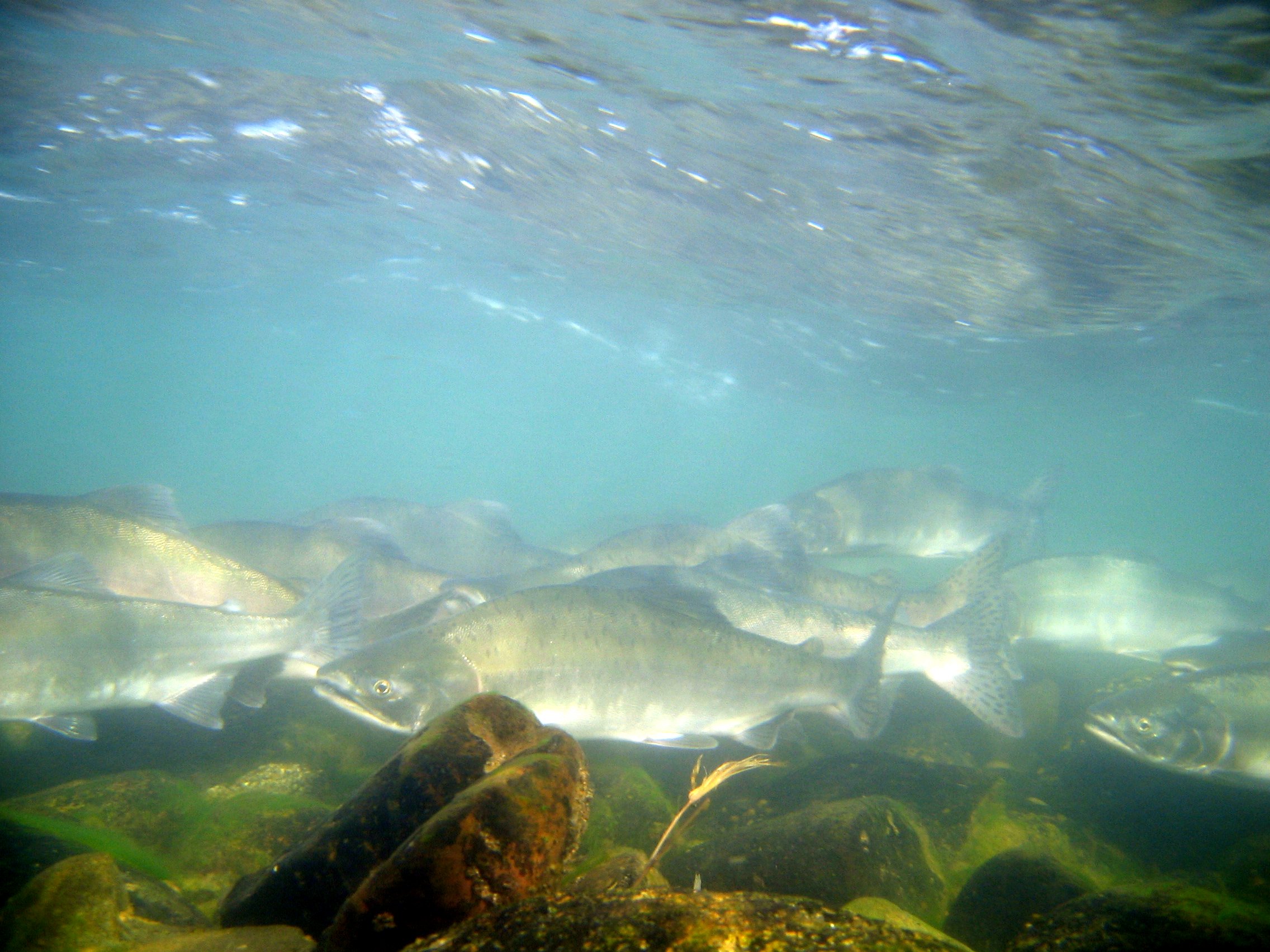
Photography: From the underwater shots of spawning salmon to the aerial views of the braided river, the Alagnak is a photographer's dream. The soft, low-angle light of the Alaskan summer provides perfect conditions for capturing the beauty of the landscape.
Wildlife and Natural Features
The Alagnak is an ecosystem in constant motion, driven by the powerful forces of geology and biology.
The Salmon Cycle: The annual return of salmon is the heartbeat of the Alagnak. Sockeye salmon are often the most numerous, turning the river red during their spawn. Their decomposing bodies provide a massive influx of nitrogen and phosphorus that fuels the growth of everything from the river's insects to the surrounding spruce trees.
Brown Bears of the Peninsula: The brown bears here are among the largest in the world, thanks to their protein-rich salmon diet. Observing their complex social behaviors as they compete for the best fishing spots is a highlight for many visitors. Understanding the difference between a defensive and a predatory bear encounter is critical for safety.
Riparian and Tundra Ecosystems: The river corridor is a thin ribbon of life through the tundra. The riparian zone features dense thickets of willow and alder, providing cover for moose and nesting sites for migratory songbirds. The surrounding tundra is a resilient but slow-growing carpet of mosses, lichens, and low-growing shrubs.
Geological Context: The Alagnak flows through a landscape shaped by volcanic activity and glaciation. The Aleutian Range to the east is a chain of active and dormant volcanoes that have covered the area in layers of ash over millennia. The river itself is a classic "wild" river, meaning its course is not hindered by dams or levees, allowing it to shift and change naturally over time.
Lodging and Camping
There is no traditional lodging within the boundaries of the Alagnak Wild River.
Backcountry Camping: This is the primary way visitors stay on the river. You must bring all your own gear, including a sturdy, wind-resistant tent and bear-resistant food containers. Campsites should be chosen on durable surfaces like gravel bars to minimize impact.
Nearby Lodges: There are several high-end commercial fishing and wildlife-viewing lodges located on private land near the river or in the surrounding area. These lodges typically provide all-inclusive packages that include air transportation, meals, and guided activities.
King Salmon Accommodations: The town of King Salmon has several hotels and guesthouses for those transitioning to or from the river. These are often booked well in advance during the summer season.
Essential Information
Park Fees and Passes
- Entrance Fee: There is no entrance fee for the Alagnak Wild River.
- Permits: While there is no fee for the park itself, you will need a valid Alaska State Fishing License. Hunting also requires specific state and federal permits. Commercial operators must have a permit from the National Park Service.
Safety Considerations
- Bear Safety: You are in prime brown bear territory. Carry bear spray, know how to use it, and store all food and odorous items in bear-resistant containers. Never leave food unattended.
- Water Safety: The Alagnak is a powerful, cold, and remote river. Wear a PFD (personal flotation device) at all times while on the water. Be aware of "sweepers" and "strainers"—fallen trees that can trap a boat.
- Weather Preparedness: Storms can move in quickly from the Bering Sea, bringing high winds and heavy rain. Hypothermia is a real risk even in summer. Bring high-quality rain gear and synthetic or wool layers.
- Remote Communications: Cell service is non-existent. It is highly recommended to carry a satellite communication device (like a Garmin inReach or a satellite phone) for emergencies.
- Insects: Mosquitoes and biting flies can be overwhelming in the early summer. Bring a head net and effective repellent.
Services and Facilities
There are no services or facilities on the Alagnak Wild River. All visitors must be entirely self-sufficient. Emergency services are limited and can be delayed for days by weather.
Contact
- Phone: 907-246-3305
- Email: [email protected]
- Official site: https://www.nps.gov/alag/index.htm
The Alagnak Wild River is a place where the modern world feels incredibly distant. It is a landscape that demands respect and rewards those who approach it with a sense of wonder and preparation. Whether you are casting a fly for a record-breaking trout or simply sitting on a gravel bar watching the river flow by, the Alagnak provides a profound connection to the wild heart of Alaska.
Park Overview
Detailed overview of the park's history, geography, and main attractions will go here. This section provides essential background information for visitors.
Top Hikes
- Iconic Summit TrailDifficulty: Strenuous • Distance: 8 miles round trip
Loading reviews…
- Waterfall LoopDifficulty: Moderate • Distance: 3 miles loop
Loading reviews…
- Lakeside WalkDifficulty: Easy • Distance: 1.5 miles out & back
Loading reviews…
Recommended Hiking Gear
Gear up for your adventure with our trusted partners. These items help support the site at no extra cost to you!

Places to Stay
- Historic Park LodgeBook early!Type: Lodge
Loading reviews…
- Riverside CampgroundReservations required.Type: Campground
Loading reviews…
- Gateway Town Hotel15 miles from entrance.Type: Nearby Hotel
Loading reviews…