Aniakchak National Monument & Preserve
Fast Facts
Aniakchak National Monument & Preserve
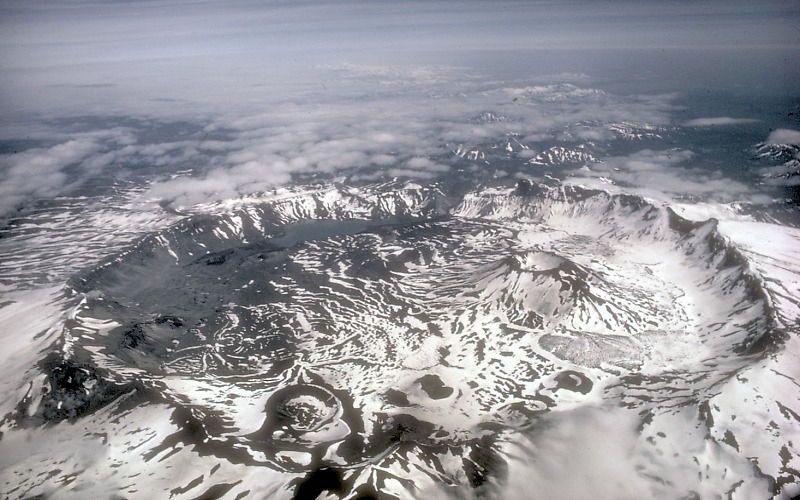
Deep in the rugged heart of the Alaska Peninsula, approximately 450 miles southwest of Anchorage, lies Aniakchak National Monument & Preserve—one of the least visited and most truly wild places in the entire National Park System. This is not a place for the casual tourist; it is a landscape of raw, elemental power, defined by its position within the volcanically active "Ring of Fire." The centerpiece of the monument is the staggering Aniakchak Caldera, a six-mile-wide, 2,500-foot-deep crater formed during a cataclysmic volcanic eruption roughly 3,500 years ago. This massive feature is so large it contains its own internal weather systems and a unique ecosystem born from the ashes of destruction.
Visiting Aniakchak is a journey to the edge of the world. There are no roads, no maintained trails, and no visitor facilities within the monument’s borders. Access is entirely dependent on the whims of the notoriously unpredictable Bering Sea weather, which often blankets the peninsula in thick fog, heavy rain, and gale-force winds. For the handful of adventurers who make the trip each year, the reward is a profound sense of solitude and the opportunity to witness a landscape that is still being actively shaped by geothermal forces. Within the caldera, one finds a stark, monochromatic world of black cinder cones, soda springs, and the startling turquoise waters of Surprise Lake, the source of the Aniakchak Wild River.
The monument and preserve encompass over 600,000 acres of pristine subarctic wilderness, ranging from the high volcanic peaks to the coastal lowlands of the Pacific Ocean and the Bristol Bay side of the peninsula. It is a sanctuary for some of Alaska's most iconic wildlife, including massive brown bears, caribou herds, and wolves. Because of its extreme isolation and the high degree of self-sufficiency required to survive its environment, Aniakchak remains a "primitive" unit of the park system, preserved as a place where nature's processes proceed without human interference.
Key Highlights
- The Aniakchak Caldera: Explore the six-mile-wide volcanic crater, a world of cinder fields, lava flows, and the Vent Mountain cone.
- Surprise Lake: Witness the stunning blue lake within the caldera, which is heated by geothermal springs and serves as the headwaters of the Aniakchak River.
- The Gates of Aniakchak: See where the Aniakchak River has spectacularly breached the caldera wall, creating a narrow, vertical-walled canyon.
- Aniakchak Wild River: Raft one of the most challenging and scenic wilderness rivers in Alaska, dropping 2,000 feet from the caldera to the Pacific Ocean.
- Vent Mountain: Hike the 2,100-foot cinder cone inside the caldera for a 360-degree view of the volcanic landscape.
- Brown Bear Viewing: Observe the peninsula’s brown bears in an environment where they have almost no contact with humans.
- Geothermal Features: Discover warm springs and "soda springs" that bubble with carbon dioxide and iron-rich minerals along the caldera floor.
Getting There
Reaching Aniakchak is a logistical feat that requires careful planning, significant expense, and a great deal of patience. There is no road access to any part of the monument.
By Air:
- From King Salmon: Most visitors fly into the monument via floatplane or wheel-plane from the town of King Salmon. King Salmon itself is accessible by commercial flights from Anchorage.
- Drop-off Points: Air taxis can land on Surprise Lake (within the caldera) or on various coastal beaches and upland lakes depending on your itinerary. It is essential to use a National Park Service-authorized air taxi operator.
- Weather Delays: It is extremely common for flights to be delayed for days—sometimes a week or more—due to fog and high winds. Travelers must build significant "buffer days" into their schedules and carry extra food and supplies.
By Boat:
- Coastal Access: Some visitors access the preserve via the Pacific coast by boat from nearby villages like Chignik or Port Heiden. However, the coastal waters are notoriously rough, and landing on the beaches requires specialized craft and expert local knowledge.
Nearest Airports:
- King Salmon Airport (AKN): The primary jumping-off point for the region, located about 150 miles from the monument.
- Anchorage International Airport (ANC): The major hub for all Alaskan travel, located 450 miles to the northeast.
Public Transit: There is absolutely no public transportation to Aniakchak. Visitors are entirely responsible for arranging their own charter flights or boat transport.
For a list of authorized air taxi operators and detailed safety guidelines, visit the official park directions page.
Best Time to Visit
Aniakchak is a land of extremes, and there is no "easy" time to visit. The window for travel is very short.
Spring (May - June): Spring arrives late on the peninsula. The caldera is often still filled with deep snow, and Surprise Lake may remain frozen into June. This is a time of high winds and frequent storms, but it can be rewarding for those interested in seeing the caribou herds on their spring migration.
Summer (July - August): This is the primary visitor season. Temperatures are generally cool to mild (40s to 60s Fahrenheit), and the tundra is at its greenest. This is the best time for rafting the Aniakchak River and hiking within the caldera. However, this is also the peak of the Alaskan mosquito season and the most likely time for the persistent "Aleutian fog" that grounds flights.
Fall (September): September brings dramatic fall colors to the tundra and a chill to the air. The brown bears are very active as they prepare for hibernation. Fall weather is notoriously stormy and unpredictable, with the first snows often arriving by late September. Most air taxi operators cease service to the monument by mid-month.
Winter: Winter in Aniakchak is extremely harsh, dark, and dangerous. High-velocity winds and heavy snow make the area virtually inaccessible to all but the most expert winter survivalists. The National Park Service does not recommend winter visits.
Operating Hours: The monument is open 24 hours a day, year-round. However, there are no staff on-site and no visitor centers within the monument. The regional headquarters in King Salmon has standard office hours for permits and information.
Activities and Adventures
Aniakchak is a destination for experienced wilderness travelers who are comfortable in a self-reliant environment.
Rafting the Aniakchak River: This is the park's premier adventure. Most trips begin with a floatplane drop-off on Surprise Lake. The river then flows through "The Gates"—a spectacular breach in the caldera wall—and descends rapidly toward the Pacific. The river features Class II to IV rapids and requires expert rowing skills and high-quality gear. The trip usually takes 3 to 5 days to reach the coast.
Backcountry Hiking: There are no trails, but the caldera floor and the surrounding tundra offer wide-open spaces for cross-country hiking. Walking on the volcanic cinders can be strenuous, similar to walking on sand. Hikers must be expert navigators using GPS, maps, and compasses, as visibility can drop to near zero in minutes.
Mountaineering: Climbing the caldera rim or Vent Mountain provides incredible perspectives on the volcanic geology. The terrain is often loose and unstable, requiring caution and experience with volcanic rock.
Wildlife Watching: The Alaska Peninsula is home to some of the highest concentrations of brown bears in the world. Visitors must be "bear-aware" at all times, utilizing bear-resistant food containers and knowing how to behave during an encounter. Caribou, wolves, and bald eagles are also common sights.
Photography: For photographers, Aniakchak offers a "moonscape" unlike anything else in the National Park System. The contrast between the black volcanic ash, the turquoise water of Surprise Lake, and the green tundra is visually stunning. The lighting is often soft and dramatic due to the frequent cloud cover.
Solitude and Reflection: Perhaps the most profound activity in Aniakchak is simply experiencing the silence and the scale of the wilderness. It is one of the few places left where you can be truly certain that yours are the only human footprints for miles.
History & Geology
The story of Aniakchak is a story of geological catastrophe and natural recovery.
The Great Eruption: Approximately 3,500 years ago, the original 7,000-foot volcano at Aniakchak collapsed inward during a massive eruption. This event ejected incredible amounts of ash and pumice, some of which has been found as far away as the Greenland ice sheet. The collapse created the caldera we see today.
Modern Volcanic Activity: Aniakchak is not a dead volcano; it is dormant. The most recent major eruption occurred in 1931, when a series of explosions added new cinder cones and lava flows to the caldera floor. Small-scale geothermal activity, such as warm springs, indicates that magma still resides not far below the surface.
Archaeological Significance: Despite the harsh environment, the Alaska Peninsula has been home to Indigenous people, including the Sugpiaq and Alutiiq, for thousands of years. Archaeological sites along the coast and in the interior provide evidence of how these cultures adapted to the volcanic landscape and the rich resources of the Bering Sea and Pacific Ocean.
Establishment as a National Monument: Aniakchak was first protected as a National Monument by President Jimmy Carter in 1978 under the Antiquities Act. Its status was later confirmed and expanded by the Alaska National Interest Lands Conservation Act (ANILCA) in 1980, which established the unique blend of Monument and Preserve status that allows for both protection and traditional subsistence uses.
Lodging and Camping
There is no traditional lodging, and there are no developed campgrounds within Aniakchak National Monument & Preserve.
Backcountry Camping: This is the only way to stay in the monument. Campers must bring all their own gear, including a sturdy, wind-resistant tent and a reliable stove (wood is non-existent within the caldera). Campsites should be chosen on durable surfaces like volcanic cinders or gravel bars.
Bear Safety: All food and scented items must be stored in Bear-Resistant Food Containers (BRFCs). These are required by federal regulation and can often be borrowed from the NPS headquarters in King Salmon.
Nearby Lodges: There are no lodges in the monument, but several commercial fishing and hunting lodges operate in the surrounding region of the Alaska Peninsula. These typically provide all-inclusive packages that include air transport from King Salmon.
King Salmon Accommodations: For those transitioning to or from the monument, the town of King Salmon offers several hotels and guesthouses. These are often fully booked during the summer fishing season, so reservations are essential.
Essential Information
Park Fees and Passes
- Entrance Fee: There is no entrance fee to visit Aniakchak National Monument & Preserve.
- Permits: No permits are required for general backcountry travel or camping. However, commercial operators must have a valid permit, and hunting/fishing is subject to Alaska State regulations.
Safety Considerations
- Extreme Weather: You must be prepared for "survival" weather even in mid-summer. High winds can shred low-quality tents, and hypothermia is a constant risk.
- Bear Country: This is prime brown bear habitat. Carry bear spray, travel in groups, and make noise.
- Remote Communications: Cell service is non-existent. You must carry a satellite communication device (satellite phone or inReach) for emergencies.
- Self-Reliance: There is no rescue service "on call." Response times for emergencies can be days or even weeks depending on the weather. You must be able to handle medical emergencies and gear failures on your own.
- Water Treatment: All water from Surprise Lake or the Aniakchak River must be filtered or boiled to prevent Giardia and other waterborne pathogens.
Services and Facilities
There are no services or facilities of any kind within the monument. The nearest groceries, fuel, and medical services are in King Salmon.
Contact
- Phone: 907-246-3305
- Email: [email protected]
- Official site: https://www.nps.gov/ania/index.htm
Aniakchak National Monument & Preserve is a place that reminds us of the true meaning of "wilderness." It is a landscape that does not cater to human comfort, demanding instead a high level of skill, preparation, and respect. For those who answer its call, Aniakchak provides an encounter with the raw, untamed spirit of Alaska that is impossible to find anywhere else.
Park Overview
Detailed overview of the park's history, geography, and main attractions will go here. This section provides essential background information for visitors.
Top Hikes
- Iconic Summit TrailDifficulty: Strenuous • Distance: 8 miles round trip
Loading reviews…
- Waterfall LoopDifficulty: Moderate • Distance: 3 miles loop
Loading reviews…
- Lakeside WalkDifficulty: Easy • Distance: 1.5 miles out & back
Loading reviews…
Recommended Hiking Gear
Gear up for your adventure with our trusted partners. These items help support the site at no extra cost to you!

Places to Stay
- Historic Park LodgeBook early!Type: Lodge
Loading reviews…
- Riverside CampgroundReservations required.Type: Campground
Loading reviews…
- Gateway Town Hotel15 miles from entrance.Type: Nearby Hotel
Loading reviews…