Bering Land Bridge National Preserve
Fast Facts
Bering Land Bridge National Preserve
In the far northwestern reaches of Alaska, where the Seward Peninsula meets the Chukchi Sea, Bering Land Bridge National Preserve protects a landscape of immense prehistoric and cultural significance. This 2.7-million-acre preserve is a remnant of the "Beringia" land bridge—a massive expanse of land that once connected Asia and North America during the Pleistocene Epoch. It was across this continental crossroad that the first humans, along with iconic megafauna like mammoths and saber-toothed cats, migrated into the Western Hemisphere. Today, the preserve stands as a wild and ecologically healthy sanctuary, offering a rare look at a world that has remained largely unchanged for millennia.
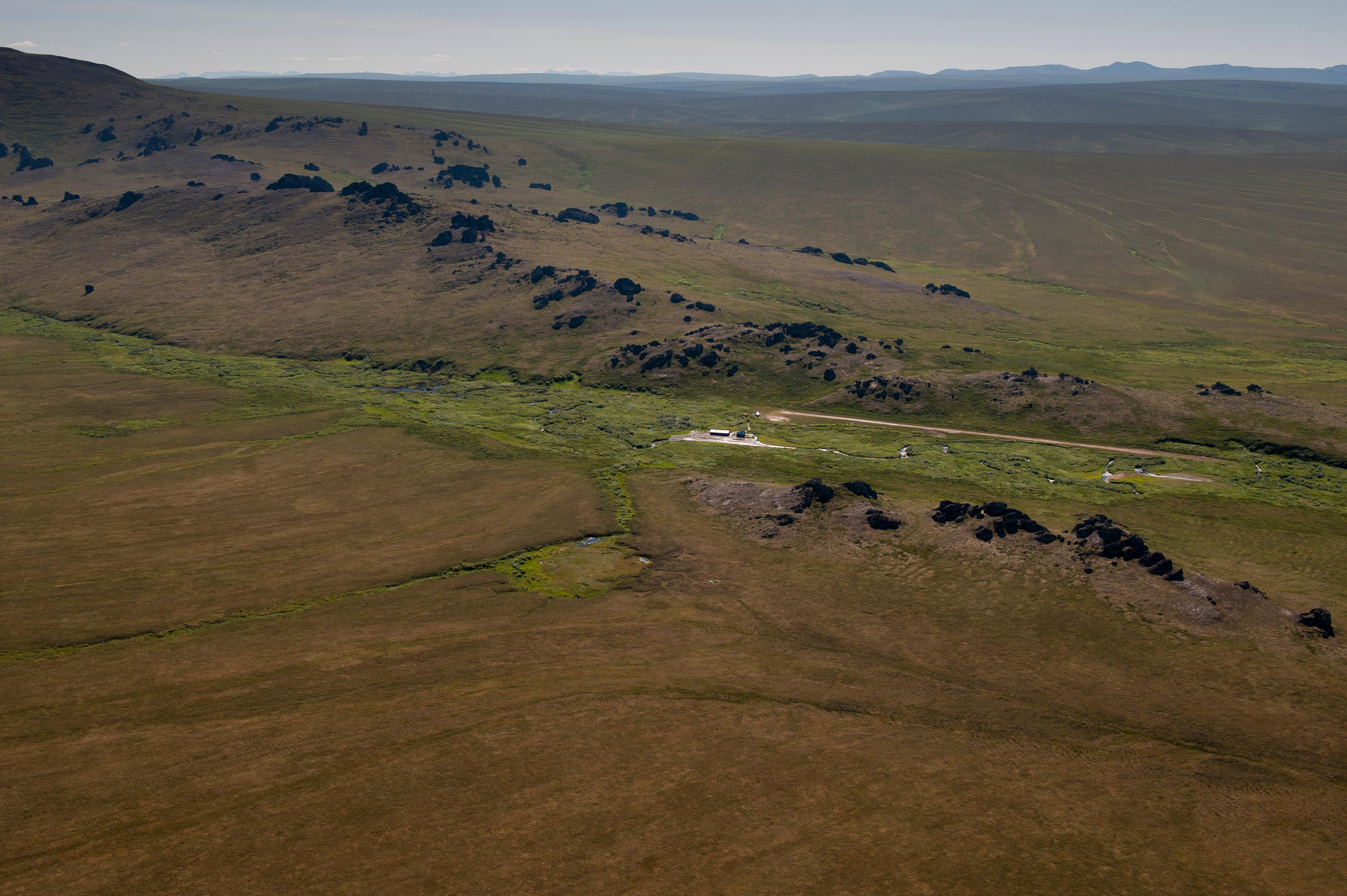
The geography of the preserve is a study in Arctic diversity. It features vast stretches of treeless tundra, coastal lagoons, and unique volcanic features, including some of the largest "maars" (volcanic craters) in the world. Perhaps its most famous landmark is Serpentine Hot Springs, where dramatic granite spires, known as tors, rise abruptly from the tundra surrounding a natural geothermal pool. For the Inupiat people, who have called this region home for thousands of years, the preserve is not a "wilderness" but a vital homeland. They continue to utilize the land for traditional subsistence activities, from reindeer herding to berry picking, maintaining a deep and ongoing connection to their ancestral heritage.
Visiting Bering Land Bridge is one of the most challenging and rewarding adventures in the National Park System. There are no roads, no maintained trails, and no developed facilities within the preserve itself. Access is entirely dependent on small aircraft, snowmobiles in winter, or boats along the coast. For those who make the journey, the reward is a profound sense of isolation and the opportunity to witness the raw beauty of the Arctic—where muskox roam the hills, the aurora borealis dances over the tundra, and the silence is as vast as the horizon.
Key Highlights
- Serpentine Hot Springs: Visit the most popular destination in the preserve, featuring healing geothermal waters and the spectacular "tors"—towering granite rock formations.
- The Land Bridge Legacy: Learn about the "Lost Continent" of Beringia and its role as the primary migration route for life between the Old and New Worlds.
- Volcanic Maars: Explore the Espenberg Maars, rare and massive volcanic craters formed by steam explosions when magma met permafrost.
- Wildlife Watching: Spot iconic Arctic species, including herds of muskox, caribou, reindeer, and migratory birds that travel thousands of miles to nest in the tundra.
- Inupiat Cultural Heritage: Discover the ongoing traditions of the local Indigenous communities who depend on the preserve’s resources for their way of life.
- Arctic Tundra Landscapes: Experience the incredible seasonal transformation of the tundra, from the vibrant green and wildflowers of summer to the stark, frozen beauty of winter.
- Stargazing and Aurora: Witness the spectacular Northern Lights in one of the darkest and most remote locations on Earth.
Getting There
Bering Land Bridge National Preserve is located on the Seward Peninsula in northwestern Alaska. Reaching the preserve requires multiple stages of travel and significant logistical planning.
By Air (The Only Practical Way):
- To Nome or Kotzebue: Most visitors first fly from Anchorage to the regional hubs of Nome or Kotzebue via commercial jet service (Alaska Airlines).
- To the Preserve: From Nome or Kotzebue, you must charter a small bush plane with a National Park Service-authorized air taxi operator. These planes can land on the gravel airstrip at Serpentine Hot Springs or on various beaches and lakes within the preserve.
- Weather Delays: Arctic weather is notoriously unpredictable. Flights are frequently delayed for days due to fog, high winds, or storms. Travelers must build significant "buffer days" into their itineraries and carry extra food.
By Boat:
- Some visitors access the preserve’s coastal areas via private boat or by chartering a vessel from Nome or Kotzebue. The Bering and Chukchi Seas are often rough and require expert navigation and local knowledge.
By Snowmobile (Winter):
- In the winter, many local residents and some adventurous travelers reach the preserve from Nome via snowmobile. This requires extreme cold-weather gear and advanced survival skills.
Nearest Airports:
- Nome Airport (OME): Located about 100 miles south of the preserve boundary.
- Kotzebue Airport (OTZ): Located northeast of the preserve.
- Anchorage International Airport (ANC): The primary hub for all travel to Alaska.
Public Transit: There is no public transportation to or within the preserve. A visitor center and "Heritage Center" are located in downtown Nome, which is within walking distance of many local hotels.
For a list of authorized air taxi operators and current safety guidelines, visit the official park directions page.
Best Time to Visit
The Seward Peninsula experiences a true four-season Arctic climate. Your experience will be dictated by the extreme weather conditions.
Spring (April - June): This is a season of transition. In early spring, the land is still frozen, making it ideal for snowmobiling and seeing the reindeer. By June, the ice begins to break up on the rivers and lagoons, and the tundra turns green. This is the peak time for birdwatching as migratory species arrive in massive numbers.
Summer (July - August): This is the primary visitor season. Daytime temperatures are cool (40s to 60s Fahrenheit), and the sun barely sets. This is the best time for hiking near Serpentine Hot Springs and exploring the volcanic features. However, this is also the height of the Alaskan mosquito season. Be prepared for thick clouds of insects.
Fall (September - October): September brings stunning fall colors to the tundra—vibrant reds and oranges. The air becomes crisp, and the first snows often arrive by late September. This is a great time to see muskox and caribou, but the window for bush plane travel begins to close as the weather becomes more stormy.
Winter (November - March): Winter is harsh, dark, and incredibly cold. Temperatures can drop to -40°F or lower with high winds. While the preserve is open, it is only recommended for those with professional-level Arctic survival experience. Winter is the best time for viewing the Aurora Borealis and experiencing the traditional Inupiat winter way of life.
Operating Hours: The preserve is open 24 hours a day, year-round. The Bering Land Bridge Visitor Center in Nome has standard business hours (usually 9:00 AM to 5:00 PM), with seasonal variations.
Activities and Adventures
Bering Land Bridge is a destination for experienced wilderness travelers who are comfortable with total self-reliance.
Serpentine Hot Springs Exploration: This is the jewel of the preserve. Most visitors spend their time here, soaking in the rustic geothermal pool and hiking among the granite tors. A small, primitive bunkhouse is available for public use on a first-come, first-served basis. The area offers some of the best hiking in the preserve due to the solid footing on the granite slopes.
Backcountry Hiking: There are no trails. Hiking across the tundra is often compared to walking on a giant, water-soaked sponge. It is physically demanding and requires expert navigation skills using GPS and maps. The coastal beaches offer easier walking in some areas.
Wildlife Watching: The preserve is a world-class destination for observing muskox—prehistoric-looking animals that survived the last Ice Age. You can also see caribou, reindeer, grizzly bears, and wolves. The coastal areas are excellent for spotting seals and migratory whales.
Birdwatching: The preserve is part of several major migratory flyways. During the summer, you can see species from as far away as Asia and South America, including the yellow wagtail, bluethroat, and various rare shorebirds.
Photography: From the stark silhouettes of the tors to the vast, multi-colored tundra, the preserve is a photographer’s dream. The "midnight sun" provides long hours of soft, golden light during the summer months.
Junior Ranger Program: Children can participate in the program at the visitor center in Nome, learning about the archaeology of the land bridge and the unique adaptations of Arctic wildlife.
History & Culture
The story of Bering Land Bridge is one of the most important narratives in human history.
Beringia: During the last Ice Age, so much of the Earth's water was locked in glaciers that sea levels dropped by over 300 feet. This exposed a massive plain—Beringia—that was hundreds of miles wide. This was not a "bridge" to cross, but a vast grassland where animals and people lived for generations. The preserve protects a piece of this original landscape that was not submerged when the glaciers melted.
The Inupiat People: The Indigenous Inupiat have lived on the Seward Peninsula for over 10,000 years. Their culture is deeply adapted to the Arctic environment. Within the preserve, you can see evidence of ancient village sites and "iglus" (sod houses). Today, residents of nearby villages like Shishmaref and Wales still utilize the preserve for hunting, fishing, and gathering, ensuring the continuity of their traditions.
Volcanic History: The preserve contains some of the most significant volcanic features in the Arctic. The Espenberg Maars are internationally recognized for their size and geological importance. They provide scientists with a unique record of how volcanic activity interacts with permafrost and Arctic climate.
Establishment as a National Preserve: Bering Land Bridge was established as part of the Alaska National Interest Lands Conservation Act (ANILCA) in 1980. Its status as a "Preserve" specifically allows for the continuation of traditional subsistence uses by local residents while protecting the natural and archaeological resources for the public.
Lodging and Camping
There is no traditional lodging within Bering Land Bridge National Preserve.
In-Park Camping: Backcountry camping is allowed anywhere in the preserve. You must bring all your own gear, including a sturdy, wind-resistant tent and a reliable stove (wood is non-existent). Campsites should be chosen on durable surfaces to protect the fragile tundra.
Serpentine Bunkhouse: A small, four-person bunkhouse is located at Serpentine Hot Springs. It is free and available on a first-come, first-served basis. It is very primitive and serves as an emergency shelter as much as a lodge.
Nome Accommodations: Most visitors stay in Nome before and after their trip to the preserve. Nome offers several hotels, bed and breakfasts, and guesthouses. These are often fully booked during events like the Iditarod, so reservations are essential.
Supplies: Nome is the best place to buy groceries, fuel, and bear-resistant food containers. There are no food or fuel services once you leave Nome.
Essential Information
Park Fees and Passes
- Entrance Fee: There is no fee to enter Bering Land Bridge National Preserve.
- Permits: No permits are required for general backcountry travel. However, commercial film permits and research permits are required. Hunting and fishing are subject to Alaska State regulations.
Safety Considerations
- Total Isolation: You are in a remote, roadless wilderness. There is no rescue service nearby. You must be self-sufficient and capable of handling medical emergencies on your own.
- Bear Safety: Grizzly bears and polar bears (rarely, along the coast) are present. Use bear-resistant containers and know how to behave during an encounter.
- Arctic Weather: Hypothermia is a constant threat, even in summer. Bring high-quality rain gear and many warm layers.
- Remote Communications: Cell service is non-existent. You must carry a satellite communication device (satellite phone or inReach).
- Insects: Mosquitoes can be dangerous in their sheer numbers. Bring a head net and the strongest repellent available.
Services and Facilities
There are no services or facilities within the preserve except for the Serpentine bunkhouse and a primitive outhouse. The Visitor Center in Nome is fully accessible and includes exhibits and a bookstore.
Contact
- Phone: 907-443-2522
- Email: [email protected]
- Official site: https://www.nps.gov/bela/index.htm
Bering Land Bridge National Preserve is a place that challenges the traveler to think in terms of deep time and vast space. It is a landscape that demands respect and offers a profound connection to the origins of life in the Americas. For those who seek the true wild heart of the North, there is no place quite like it.
Park Overview
Detailed overview of the park's history, geography, and main attractions will go here. This section provides essential background information for visitors.
Top Hikes
- Iconic Summit TrailDifficulty: Strenuous • Distance: 8 miles round trip
Loading reviews…
- Waterfall LoopDifficulty: Moderate • Distance: 3 miles loop
Loading reviews…
- Lakeside WalkDifficulty: Easy • Distance: 1.5 miles out & back
Loading reviews…
Recommended Hiking Gear
Gear up for your adventure with our trusted partners. These items help support the site at no extra cost to you!

Places to Stay
- Historic Park LodgeBook early!Type: Lodge
Loading reviews…
- Riverside CampgroundReservations required.Type: Campground
Loading reviews…
- Gateway Town Hotel15 miles from entrance.Type: Nearby Hotel
Loading reviews…