Alibates Flint Quarries National Monument
Fast Facts
Alibates Flint Quarries National Monument
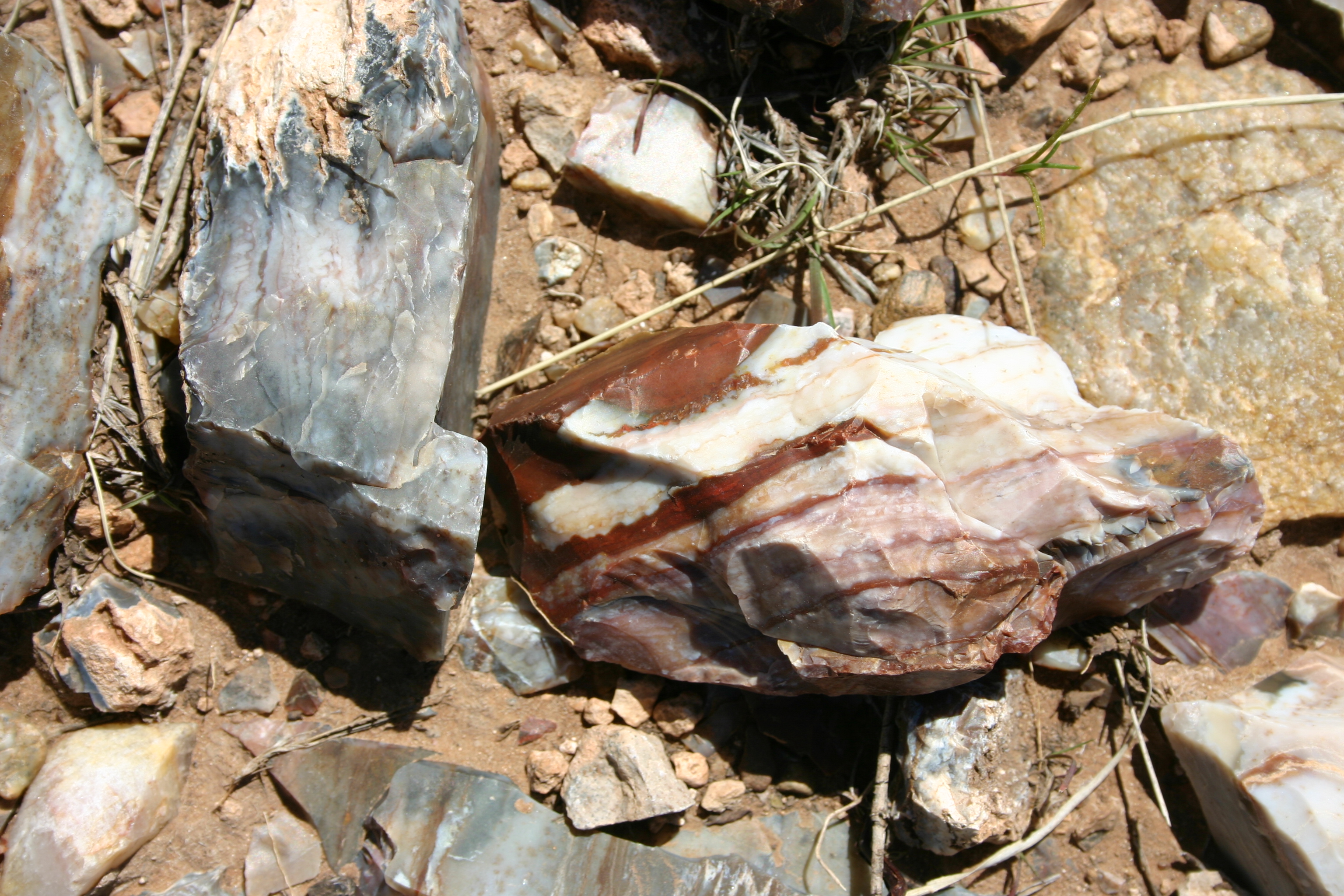
High above the Canadian River in the Texas Panhandle, Alibates Flint Quarries National Monument preserves a site that was essential to the survival and prosperity of human beings for over 13,000 years. This relatively small area of the High Plains contains a unique geological formation: a layer of multi-colored, high-quality flint that was prized by ancient people for its beauty and, more importantly, its ability to be fashioned into sharp, durable tools. From the mammoth hunters of the Ice Age to the agriculturalists of the 15th century, the quarries at Alibates were a focal point of commerce, culture, and survival.
The flint found here is unlike any other in the world, characterized by brilliant swirls of red, orange, blue, white, and purple. Formed millions of years ago when silica-rich water replaced layers of dolomite, the resulting stone is incredibly hard and breaks with a predictable, glass-like edge—a property known as conchoidal fracture. For a hunter on the Great Plains, a spear point made from Alibates flint was not just a tool; it was a technological masterpiece that could mean the difference between life and death.
Visiting the monument today offers a window into this deep past. It is a landscape of rugged mesas, deep canyons, and vast prairie vistas. Because of the fragility and significance of the archaeological resources, the actual quarries are accessible only by ranger-led guided tours. These tours take visitors up onto the mesa to see the hundreds of shallow pits where ancient people labored to extract the stone. It is a place that invites reflection on the ingenuity of our ancestors and the enduring relationship between humans and the raw materials of the earth.
Key Highlights
- Guided Quarry Tours: Hike to the top of the mesa with a ranger to see the 13,000-year-old flint quarries (reservations required).
- Colorful Alibates Flint: Witness the stunning "rainbow" hues of the stone that made it one of the most sought-after materials in prehistoric North America.
- Flint Knapping Demonstrations: Watch skilled volunteers and rangers demonstrate the ancient art of shaping stone into tools and arrowheads.
- Antelope Creek Village Site: Learn about the unique architecture and culture of the people who lived in permanent stone-and-mud houses near the quarries.
- Museum Exhibits: Explore the visitor center's displays on archaeology, geology, and the extinct megafauna that once roamed the Texas Panhandle.
- Native Plant Gardens: Walk through the themed gardens surrounding the visitor center, which include a Monarch Waystation.
- Canadian River Valley Views: Take the self-guided walking trail to experience the dramatic topography and panoramic views of the surrounding plains.
Getting There
Alibates Flint Quarries is located in a remote part of the Texas Panhandle, approximately 35 miles north of Amarillo.
By Car:
- From Amarillo: Take the Lakeside exit from I-40 and head north toward Lake Meredith National Recreation Area. Follow TX 136 North for approximately 30 miles toward the town of Borger. Turn west onto Cas Johnson Road (look for the National Park Service signs). Proceed approximately 3 miles to a "Y" intersection and bear right. Continue northwest for another 2 miles to reach the Alibates Visitor Center.
- From Borger: Take TX 136 South for approximately 15 miles and turn west onto Cas Johnson Road, then follow the directions above.
Nearest Airports: Rick Husband Amarillo International Airport (AMA) is the closest major airport, located about 40 miles from the monument. From the airport, visitors can rent a car and follow the directions through Amarillo.
Public Transit: There is no public transportation or shuttle service to the monument. A personal vehicle is required for access. The roads within the park are paved and well-maintained, but the drive through the surrounding ranch land is rural.
Note on Navigation: While GPS is generally reliable in the area, it is always a good idea to follow the brown NPS signs on TX 136, as some mapping services may suggest unmaintained ranch roads.
For more detailed maps and coordinates, visit the official directions page.
Best Time to Visit
The Texas Panhandle is a land of weather extremes, and your experience at Alibates will depend heavily on the time of year.
Spring (March - May): Spring is a time of high winds and the potential for severe thunderstorms. However, it is also when the wildflowers bloom in the visitor center gardens and along the trails. Temperatures are generally mild (60s and 70s), but can drop quickly when a "blue norther" blows through. This is an excellent time for birdwatching.
Summer (June - August): Summers are hot and dry, with temperatures frequently exceeding 100 degrees Fahrenheit. Because the quarry tours involve a significant hike with little to no shade, summer tours are typically scheduled for early in the morning. It is essential to carry plenty of water and wear sun protection. The mesa top can be very windy, which provides some relief from the heat but requires a hat with a chin strap.
Fall (September - November): Autumn is often the most pleasant time to visit. The heat of the summer fades, and the days are typically clear and crisp. The light during the fall is perfect for photography, highlighting the colors of the flint and the textures of the prairie grass. Humidity is very low, making for comfortable hiking conditions.
Winter (December - February): Winters are cold and characterized by strong, biting winds that sweep across the open plains. While snow is relatively rare, it can occur, transforming the landscape into a starkly beautiful snowy mesa. The visitor center remains open, but outdoor tours may be cancelled during periods of extreme cold or high wind.
Activities and Adventures
The monument offers several ways to engage with its deep history and unique geology.
Guided Quarry Tours: This is the signature experience at Alibates. These tours are free but require a reservation. A ranger takes you on a 2-hour, 1-mile round-trip hike that gains about 170 feet in elevation. You will see the pits where the flint was quarried and learn about the techniques used by different cultures over thousands of years. The sight of thousands of colorful flint chips covering the ground is unforgettable.
Flint Knapping Demonstrations: Periodically, the park hosts demonstrations of "knapping"—the process of striking flint to create sharp-edged tools. Watching a master knapper turn a raw chunk of stone into a delicate projectile point provides a profound appreciation for the skill required for stone age survival.
Self-Guided Walking Trail: For those who cannot take the guided tour, a short self-guided trail near the visitor center offers a brochure-guided walk through the Canadian River Valley ecosystem. It provides a good overview of the local plants and the topography that made this area a hospitable place for ancient peoples.
Junior Ranger Program: Children can earn a badge by completing activities in a workbook that focus on the "Mammoth Hunters," the "Antelope Creek People," and the geology of Alibates flint. It is a great way to make the archaeological concepts accessible to younger visitors.
Gardens and Monarch Waystation: The gardens around the visitor center feature seven different themes and are designed to showcase native Panhandle plants. During the fall migration, the Monarch Waystation is a hub of activity as butterflies move through the region.
Museum and Film: The visitor center features a high-quality museum with artifacts found on-site and a film that provides the historical and geological context of the quarries. It is an essential starting point for any visit.
History & Geology
The story of Alibates is a 13,000-year narrative of human persistence and geological fortune.
The Formation of the Flint: Alibates flint is found within the Quartermaster Formation, which dates back to the Permian Period. The stone was formed through a process called silicification, where silica-rich groundwater moved through layers of Agate Dolomite, slowly replacing the carbonate minerals with microcrystalline quartz. The various mineral impurities in the water resulted in the spectacular "rainbow" colors that make Alibates flint so recognizable.
The Mammoth Hunters (Clovis Culture): The earliest evidence of human activity at Alibates dates back to the end of the last Ice Age, around 13,000 years ago. These "Paleo-Indians" were nomadic hunters who followed megafauna like the Columbian Mammoth and ancient bison. Alibates flint spear points have been found at mammoth kill sites throughout the Great Plains, proving that even at this early date, the quarries were a known and valued resource.
The Antelope Creek People: Between 1200 and 1450 AD, a unique culture known as the Antelope Creek people thrived in the Canadian River Valley. Unlike the nomadic tribes that came before and after them, these people lived in permanent villages of stone-and-mud houses, some of which contained dozens of rooms. They were agriculturalists who supplemented their diet with bison hunting and thrived by controlling the trade of Alibates flint, which has been found as far away as the Gulf of Mexico and the Great Lakes.
Archaeology and Preservation: The site was designated as a National Monument in 1965 to protect the quarries from being depleted by casual collectors. Today, it is illegal to remove any flint or artifacts from the monument. This preservation ensures that future generations of archaeologists can continue to study the site using new technologies to uncover the secrets of the people who labored here.
Lodging and Camping
There is no lodging or camping within the boundaries of Alibates Flint Quarries National Monument.
Nearby Camping: The adjacent Lake Meredith National Recreation Area offers several developed and primitive campgrounds. Fritch Fortress and Sanford-Yake are the most popular developed sites, offering RV hookups and restrooms. Many of these sites offer beautiful views of the lake and are just a 15-20 minute drive from the Alibates Visitor Center.
Hotels: The city of Amarillo (35 miles south) offers a full range of hotel and motel options, from budget-friendly chains to luxury accommodations. The town of Borger (15 miles northeast) also has several motels and local dining options.
Supplies: Fritch and Borger are the best places to stock up on gas, food, and water before heading into the monument. There are no food services within the park.
Essential Information
Park Fees and Passes
- Entrance Fee: There is no fee to enter Alibates Flint Quarries National Monument or to take the guided quarry tours.
- Reservations: While the tours are free, they are limited in size. It is strongly recommended to call 806-857-6680 in advance to reserve your spot on a guided hike.
Safety Considerations
- Rattlesnakes: This is prime rattlesnake country. When hiking, always stay on the designated trails and watch where you step. Never put your hands or feet in places you cannot see.
- Heat and Hydration: Dehydration is a serious risk in the Panhandle summer. Carry at least one liter of water per person on the quarry hike.
- Wind: The mesa top is almost always windy. If you wear a hat, ensure it is secured. Be prepared for sudden gusts that can affect your balance on the steeper parts of the trail.
- Footwear: The trail to the quarries is steep and rocky in places. Sturdy, closed-toe hiking shoes or boots are required for the guided tour. Sandals or flip-flops are not allowed on the hike.
- Insects: During the summer and fall, mosquitoes and biting flies can be present, especially near the river valley.
Services and Facilities
The Alibates Visitor Center is fully accessible and includes restrooms, a theater, a bookstore, and climate-controlled museum spaces. The self-guided trail near the visitor center is mostly flat and accessible, but the guided quarry tour is a strenuous hike that is not suitable for wheelchairs or strollers.
Contact
- Phone: 806-857-6680
- Email: [email protected]
- Official site: https://www.nps.gov/alfl/index.htm
Alibates Flint Quarries National Monument is a place where the deep history of the American West is written in the stone. By visiting the quarries and walking the mesa, you connect with a human story of survival and craftsmanship that spans hundreds of generations. It is a quiet, powerful testament to the enduring importance of the earth's natural resources in shaping our human journey.
Park Overview
Detailed overview of the park's history, geography, and main attractions will go here. This section provides essential background information for visitors.
Top Hikes
- Iconic Summit TrailDifficulty: Strenuous • Distance: 8 miles round trip
Loading reviews…
- Waterfall LoopDifficulty: Moderate • Distance: 3 miles loop
Loading reviews…
- Lakeside WalkDifficulty: Easy • Distance: 1.5 miles out & back
Loading reviews…
Recommended Hiking Gear
Gear up for your adventure with our trusted partners. These items help support the site at no extra cost to you!

Places to Stay
- Historic Park LodgeBook early!Type: Lodge
Loading reviews…
- Riverside CampgroundReservations required.Type: Campground
Loading reviews…
- Gateway Town Hotel15 miles from entrance.Type: Nearby Hotel
Loading reviews…