Big Thicket National Preserve
Fast Facts
Big Thicket National Preserve
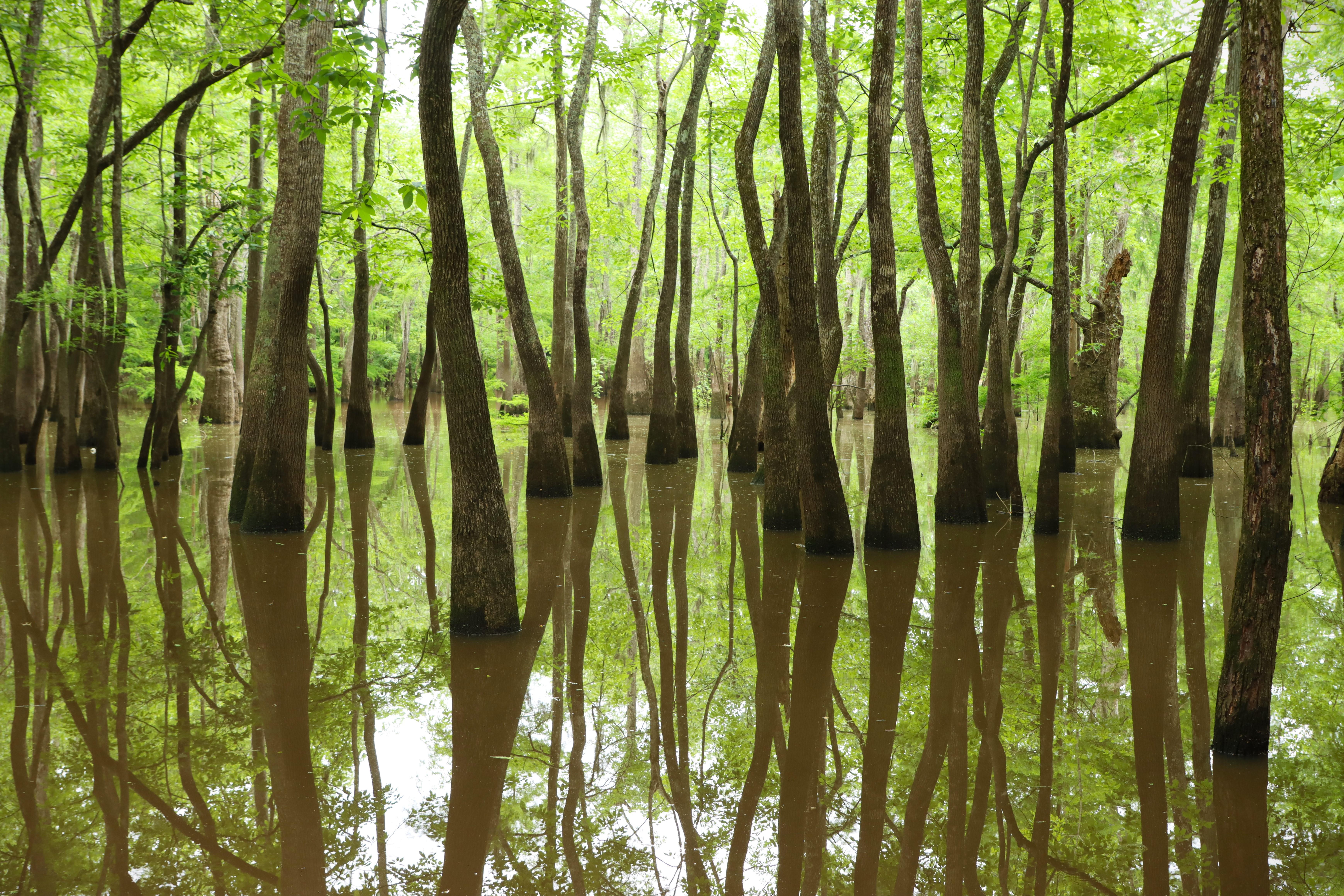
In the dense, humid woods of southeast Texas, Big Thicket National Preserve protects a landscape of staggering biological complexity. Often referred to as the "Biological Crossroads of North America," this 113,000-acre preserve is where multiple distinct habitats converge, creating a mosaic of life found nowhere else on the continent. Within its boundaries, one can find the overlap of the southeastern swamps, the eastern deciduous forests, the central plains, and the southwestern deserts. This unique intersection results in nine different ecosystems, ranging from stately longleaf pine savannas and arid sandhills to lush cypress-tupelo sloughs and bayous.
Established in 1974, Big Thicket was one of the first national preserves in the United States, a designation that reflects its primary mission of biodiversity conservation while allowing for traditional activities like hunting and resource management. The preserve is not a single contiguous block of land but a series of 15 separate units scattered across seven counties. This configuration was designed to protect the most ecologically significant corridors along the Neches River and its tributaries. For the nature lover, Big Thicket is a place of discovery, where rare orchids, four species of carnivorous plants, and hundreds of bird species thrive under the dense forest canopy.
Visiting Big Thicket is an immersion in the textures and sounds of the Southern forest. Whether you are gliding through a silent slough in a kayak, hiking through a "thicket" so dense it obscures the sun, or searching for the tiny, insect-eating sundews along a boardwalk, the preserve offers a quiet and profound connection to the natural world. it is a sanctuary that challenges the visitor to look closely, revealing the intricate relationships that sustain one of the most diverse temperate regions on Earth.
Key Highlights
- The Biological Crossroads: Witness the incredible meeting of nine different ecosystems, showcasing a variety of plant and animal life that is unique to southeast Texas.
- Carnivorous Plants: Discover four of the five types of carnivorous plants found in North America, including the spectacular pitcher plants and the tiny, glistening sundews.
- Paddling Trails: Explore miles of designated water trails on Village Creek and the Neches River, winding through scenic cypress-tupelo swamps and sandbar-lined banks.
- Kirby Nature Trail: Hike through one of the most diverse units of the preserve, featuring massive live oaks, cypress knees, and the historic Staley Cabin.
- Birdwatching Sanctuary: Spot over 300 species of birds, including wood ducks, red-headed woodpeckers, and a variety of migratory warblers that utilize the Thicket as a vital stopover.
- Longleaf Pine Savannas: Walk through the towering, open forests of longleaf pine, an ecosystem that once covered the entire American South and is now meticulously preserved here.
- Backcountry Solitude: Experience true wilderness camping along the Neches River or Village Creek, where the only neighbors are the wildlife and the rustle of the palmettos.
Getting There
Big Thicket National Preserve is located in southeast Texas, north and west of the city of Beaumont. Because the preserve is composed of multiple disconnected units, having a plan for navigation is essential.
By Car:
- From Beaumont, TX: Travel approximately 30 miles north on US Highway 69/287. The visitor center is located about 7 miles north of the town of Kountze.
- From Houston, TX: Travel east on I-10 to Beaumont, then head north on US Highway 69/287. The drive is approximately 90 miles (1.5 to 2 hours).
- Main Visitor Center: 6102 FM 420, Kountze, TX 77625. This is the primary contact point for maps, permits, and orientation.
- Unit Access: Most units are accessed via smaller state and county roads branching off US Highway 69/287 and FM 420. Each unit has its own designated trailhead or boat launch.
Nearest Airports:
- Jack Brooks Regional Airport (BPT): Located in Beaumont, offering limited regional flights.
- George Bush Intercontinental Airport (IAH): The nearest major international hub, located in Houston, approximately 1 hour and 15 minutes away.
Public Transit: There is no public transportation or shuttle service to or within the Big Thicket. A personal or rental vehicle is necessary for your visit. Many visitors choose to explore the preserve by water, launching canoes or kayaks from several public access points.
Navigation Tip: While GPS is generally helpful, it is highly recommended to stop at the visitor center first to pick up a detailed park map, as cell service can be spotty in the more remote units like the Beech Creek or Canyonlands units.
For more detailed maps and unit-specific directions, visit the official park directions page.
Best Time to Visit
The climate of southeast Texas is humid subtropical, making the timing of your visit important for comfort and safety.
Spring (March - May): This is arguably the best time to visit Big Thicket. The weather is typically pleasant (60s to 80s), and the forest is at its most vibrant. This is the peak season for wildflowers and the spectacular bloom of the carnivorous pitcher plants. Bird migration is also in full swing during these months.
Summer (June - August): Summers are intensely hot and very humid. Temperatures frequently reach the 90s and low 100s, and the humidity can make it feel much hotter. Afternoon thunderstorms are common and can be violent. This is also the peak season for mosquitoes and other biting insects. If you visit in summer, plan for water-based activities like paddling and finish your hikes before midday.
Fall (September - November): Autumn brings a gradual relief from the heat. Early fall can still be warm, but by October and November, the days are typically crisp and clear. The hardwood trees along the rivers provide a subtle but beautiful display of fall color, usually peaking in late November.
Winter (December - February): Winters are generally mild, with daytime temperatures in the 50s and 60s. While freezing nights can occur, snow is extremely rare. Winter is a quiet and peaceful time at the preserve, offering great visibility for birdwatching through the leafless deciduous trees.
Operating Hours: The preserve grounds and trails are open 24 hours a day, year-round. The Visitor Center is typically open daily from 9:00 AM to 5:00 PM, except on Thanksgiving, Christmas, and New Year's Day.
Activities and Adventures
Big Thicket is a destination designed for active engagement with the natural world, whether on land or water.
Hiking through the Thicket: The preserve features over 40 miles of hiking trails across its various units. The Kirby Nature Trail (1.5 - 2.5 miles) is a great introduction to the diversity of the Thicket. For a more remote experience, the Turkey Creek Trail offers 15 miles of continuous hiking through a variety of habitats, including baygall swamps and pine forests.
Paddling the Water Trails: Paddling is the quintessential Big Thicket experience. Village Creek is a designated State Paddling Trail, offering 21 miles of scenic water through the preserve. The Neches River also provides extensive opportunities for longer excursions. Several local outfitters provide canoe and kayak rentals and shuttle services.
Birding and Wildlife Watching: With over 300 species of birds, the preserve is a premier birding location. Keep an eye out for the elusive barred owl in the swamps or the red-cockaded woodpecker in the pine savannas. You might also spot river otters, white-tailed deer, and American alligators along the riverbanks.
Searching for Carnivorous Plants: The Sundew Trail and the Pitcher Plant Trail are specifically designed to showcase these fascinating plants. These short, boardwalk-accessible trails take you into the boggy areas where these plants thrive. Spring is the best time to see them in their full glory.
Backcountry Camping: Camping is allowed in the backcountry with a free permit, which must be obtained at the visitor center. Most campers choose to stay on the sandbars along Village Creek or the Neches River. It is a fantastic way to experience the nocturnal life of the Thicket and the dark night skies.
Junior Ranger Program: Children can participate in an educational program that focuses on the "Biological Crossroads" and the importance of conservation. Completing the activity book available at the visitor center earns them a Junior Ranger badge.
History & Conservation
The story of Big Thicket is a narrative of industrial exploitation and passionate conservation.
Industrial Logging: In the late 19th and early 20th centuries, the Big Thicket was a powerhouse of the Texas timber industry. The massive virgin forests of pine and cypress were heavily logged, transformed the landscape and leading to the decline of many species. The remains of old logging camps and narrow-gauge railroads can still be found in some areas.
The Conservation Movement: By the mid-20th century, concerned citizens and scientists realized that the Big Thicket was a unique ecological treasure that was rapidly disappearing. Led by the Big Thicket Association and figures like Geraldine Watson, a decades-long struggle began to protect the area. This effort eventually led to the establishment of the National Preserve in 1974.
The Multi-Unit Design: Because much of the original forest had already been fragmented by development and industry, the preserve was created as a "string of pearls"—protecting the most pristine and diverse remnants of the original ecosystems along the river corridors. This innovative design ensures that the most critical habitats remain connected and protected.
Ongoing Research: Big Thicket remains a vital laboratory for scientists. Ongoing research focuses on forest restoration, the impact of invasive species, and the effects of climate change on the delicate balance of the crossroads ecosystems.
Lodging and Camping
While the preserve offers a true wilderness experience, there are several options for staying in the region.
In-Park Camping: There are no developed campgrounds within the preserve. Backcountry camping is allowed with a free permit. Campers must bring all their own gear and water and follow "Leave No Trace" principles.
Nearby Accommodations:
- Kountze, TX: Located 7 miles south of the visitor center, offering a few small motels and cafes.
- Beaumont, TX: Located 30 miles south, providing a full range of national hotel chains, modern motels, and numerous dining and entertainment options.
- Woodville, TX: Located 20 miles north of the visitor center, featuring local lodging and dining.
State Park Alternatives: Village Creek State Park is located adjacent to the preserve in Lumberton, TX. It offers developed campgrounds with RV hookups, restrooms, and showers, as well as easy access to the Village Creek paddling trail.
Dining: There are no food services within the preserve. It is highly recommended to bring a picnic lunch and plenty of water. The visitor center has a small area with picnic tables.
Essential Information
Park Fees and Passes
- Entrance Fee: There is no fee to enter Big Thicket National Preserve or its visitor center. It is a free public facility.
- Permits: A free permit is required for backcountry camping and for hunting during the designated seasons.
Safety Considerations
- Heat and Humidity: The Texas Gulf Coast summer is intense. Drink plenty of water and wear sun protection. Heatstroke is a serious risk for those who are unprepared.
- Biting Insects: Mosquitoes, ticks, and biting flies are a constant presence from spring through fall. Use high-quality repellent and wear long sleeves and pants when hiking.
- Water Safety: When paddling, always wear a life jacket (PFD). Be aware of strong currents and submerged logs in the rivers.
- Wildlife: Maintain a safe distance from all wildlife, especially alligators and snakes (including venomous species like the water moccasin). Stay on developed trails and boardwalks.
- Flash Flooding: Be aware of the weather forecast, as the rivers and bayous can rise quickly after heavy rains.
Services and Facilities
The Visitor Center is fully accessible and includes a museum, theater, and bookstore. Most of the shorter trails, including the Sundew and Pitcher Plant trails, feature accessible boardwalks. However, many of the longer backcountry trails are not suitable for wheelchairs or strollers.
Contact
- Phone: 409-951-6700
- Email: [email protected]
- Official site: https://www.nps.gov/bith/index.htm
Big Thicket National Preserve is a place that reminds us of the incredible resilience and diversity of the natural world. By exploring its dense thickets and winding waterways, visitors can gain a deeper appreciation for the complex web of life that makes southeast Texas a world-class ecological treasure. It is a destination that rewards the curious and the patient with a rare look at the wild soul of the American South.
Park Overview
Detailed overview of the park's history, geography, and main attractions will go here. This section provides essential background information for visitors.
Top Hikes
- Iconic Summit TrailDifficulty: Strenuous • Distance: 8 miles round trip
Loading reviews…
- Waterfall LoopDifficulty: Moderate • Distance: 3 miles loop
Loading reviews…
- Lakeside WalkDifficulty: Easy • Distance: 1.5 miles out & back
Loading reviews…
Recommended Hiking Gear
Gear up for your adventure with our trusted partners. These items help support the site at no extra cost to you!

Places to Stay
- Historic Park LodgeBook early!Type: Lodge
Loading reviews…
- Riverside CampgroundReservations required.Type: Campground
Loading reviews…
- Gateway Town Hotel15 miles from entrance.Type: Nearby Hotel
Loading reviews…