Cane River Creole National Historical Park
Fast Facts
Cane River Creole National Historical Park
In the fertile bottomlands of Natchitoches Parish, Louisiana, the Cane River Creole National Historical Park preserves a cultural landscape that is unique in the American South. This park is not just a collection of historic buildings; it is a testament to the "Creole" culture—a complex and resilient synthesis of French, Spanish, African, and Native American influences that has thrived in this region for over 200 years. The park is centered on two remarkably intact cotton plantations: Oakland and Magnolia. These sites tell the stories of the generations of people—owners, enslaved workers, and later sharecroppers—who lived and worked on these lands, maintaining a distinct cultural identity through centuries of profound social and political change.
What distinguishes Cane River Creole from many other plantation sites is the extraordinary state of preservation of its outbuildings and cultural artifacts. Oakland Plantation, in particular, features 17 original outbuildings that remain on their original foundations, including the overseer's house, the plantation store, and the quarters for enslaved workers. Magnolia Plantation houses one of the few remaining wood-screw cotton presses in the world, a marvel of 19th-century agricultural engineering. These physical remains provide a tangible and often sobering connection to the daily realities of the plantation system and the transition from enslavement to the era of tenant farming and civil rights.
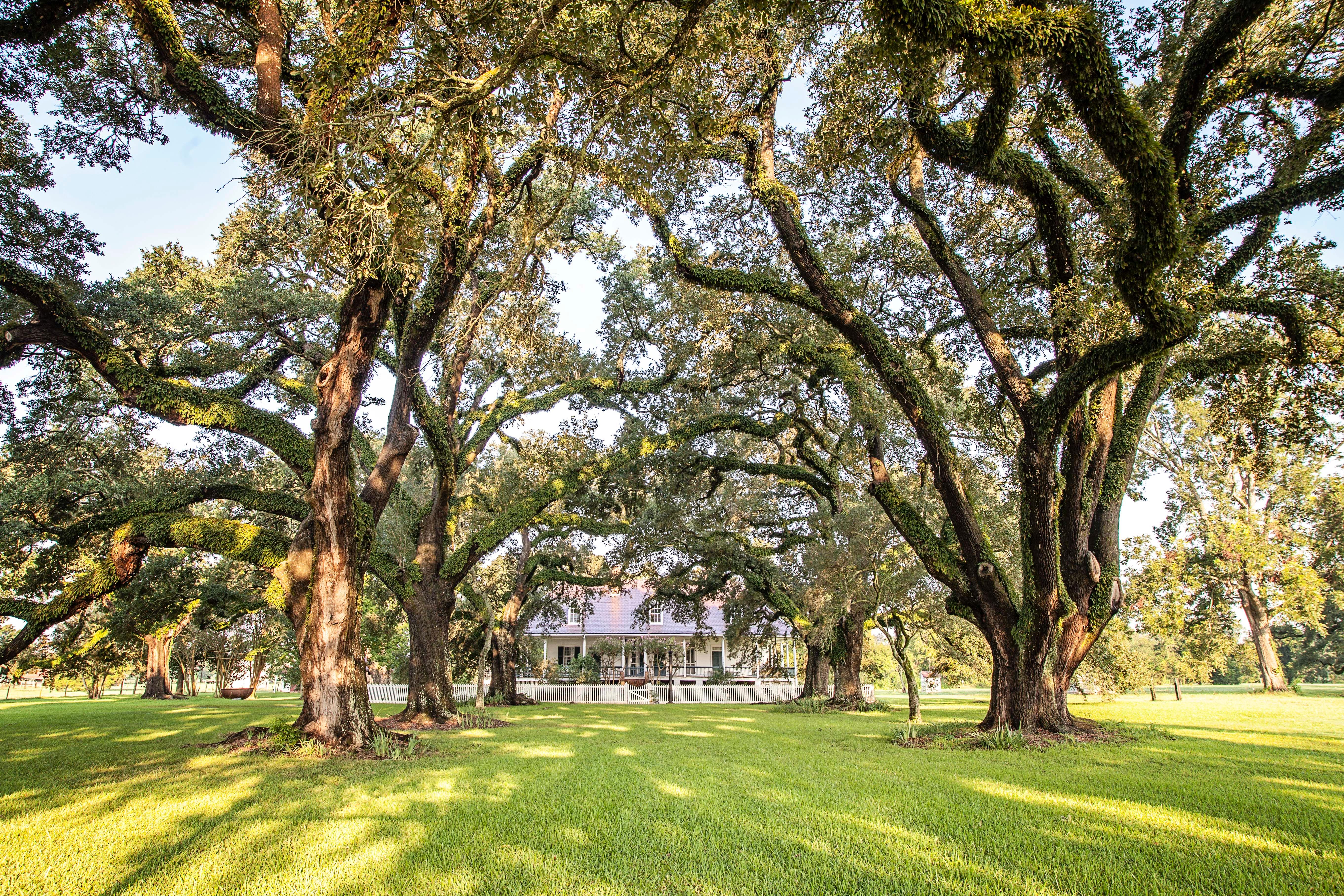
Visiting the park is an invitation to explore a "living history." The Cane River region remains the heart of the Creole community today, and the National Park Service works closely with local families to ensure their stories are told with accuracy and respect. Whether you are walking beneath the majestic live oaks of the Oakland allee, exploring the brick cabins at Magnolia, or learning about the traditional foodways and languages of the region, the park offers a profound and multi-layered perspective on the enduring power of culture and the complex legacy of the American South.
Key Highlights
- Oakland Plantation Main House: Tour the meticulously preserved 1821 raised Creole cottage, featuring original furnishings and a layout that reflects the region's French and Spanish heritage.
- Magnolia Plantation Gin Barn: See the rare 1830s wood-screw cotton press, one of the last of its kind, illustrating the massive scale of the 19th-century cotton industry.
- The Quarters: Walk through the original brick and wooden cabins that housed enslaved workers and later generations of sharecroppers until the 1960s.
- Oak Allee: Experience the stunning 1820s entrance to Oakland Plantation, where two rows of ancient live oaks stretch from the river to the main house.
- Plantation Stores: Visit the historic general stores at both Oakland and Magnolia, which served as the economic and social hubs for the plantation communities.
- Texas & Pacific Railway Depot: Explore the restored 1927 depot in downtown Natchitoches, which serves as a visitor center and tells the story of the region’s transportation history.
- Creole Cultural Demonstrations: Participate in seasonal programs that showcase traditional Creole crafts, music, and the unique foodways of the Cane River region.
Getting There
Cane River Creole National Historical Park is located in Natchitoches Parish, Louisiana. The park is composed of two primary plantation sites and a visitor center in the city of Natchitoches.
By Car:
- To Oakland Plantation: From I-49, take Exit 127 (Flora/Cypress). Head east on LA Highway 120 toward Cypress. Cross over LA Highway 1 onto LA Highway 494. The entrance to Oakland is 4.5 miles east of Highway 1 on the left.
- To Magnolia Plantation: From I-49, take Exit 119 (Cloutierville). Cross over LA Highway 1 onto LA Highway 119. Follow Highway 119 for 1.1 miles; the visitor parking lot is on the right just before the plantation store.
- To the Railway Depot (Natchitoches): Located at 1927 Remembrance Way, Natchitoches, LA 71457. This is the primary contact point for maps and general information.
Nearest Airports:
- Alexandria International Airport (AEX): Located approximately 50 miles to the south.
- Shreveport Regional Airport (SHV): Approximately 75 miles to the north.
Public Transit: There is no direct public transportation or shuttle service to the plantation sites. A personal or rental vehicle is necessary for your visit. The plantations are located in a rural agricultural landscape, and the drive along the Cane River (Highway 494 and Highway 119) is exceptionally scenic.
Navigation Tip: While GPS is generally reliable, it is helpful to look for the brown National Park Service signs on Highway 1 and Highway 494, as the turns can be small and the landscape is dominated by large agricultural fields.
For more detailed maps and turn-by-turn directions, visit the official park directions page.
Best Time to Visit
The climate of central Louisiana is humid subtropical, with intense summers and mild winters.
Spring (March - May): Spring is a beautiful time to visit the plantations. The live oaks are vibrant green, and the various gardens and wildflowers are in bloom. Temperatures are generally mild (60s to 80s), making it the most comfortable time for walking the extensive grounds.
Summer (June - August): Summers are notoriously hot and very humid. Temperatures frequently reach the 90s and low 100s. Because most of the historic outbuildings are not climate-controlled, it is highly recommended to visit in the early morning. It is essential to carry water and wear sun protection. This is also the season for sudden, intense afternoon thunderstorms.
Fall (September - November): Autumn brings a welcome relief from the summer heat. The air is typically clear and the humidity drops, providing excellent conditions for photography. The "Cane River Creole Festival" is often held in the fall, offering a great opportunity to experience local culture.
Winter (December - February): Winters are generally mild, with daytime temperatures in the 50s and 60s. While snow is extremely rare, the damp cold can be biting. Winter is a quiet time at the park, providing a solitary and reflective experience. Most of the historic buildings remain open, but call ahead for the current tour schedule.
Operating Hours: The Texas & Pacific Railway Depot, Oakland, and Magnolia are typically open Wednesday through Sunday from 9:00 AM to 3:30 PM. The park is closed on all federal holidays. Note that the Oakland Main House is only open for self-guided tours on Saturdays and Sundays from 10:00 AM to 2:00 PM.
Activities and Adventures
Cane River Creole offers a blend of historical exploration, cultural immersion, and quiet nature study.
Guided and Self-Guided Tours: Most visitors begin with a self-guided walk of the grounds using a park brochure or the NPS app. At Oakland, a series of interpretive panels take you through the various outbuildings. Guided tours led by rangers are frequently offered and provide deep context on the "Creole" social hierarchy and the mechanics of the cotton industry.
Exploring the Main Houses: Tour the Oakland Main House to see how the architecture evolved over 150 years. The house is a classic example of a "raised Creole cottage," designed with large galleries and high ceilings to provide natural cooling in the Louisiana heat. Note: Only the grounds and the Gin Barn are managed by the NPS at Magnolia; the Magnolia Main House is privately owned and not open to the public.
Gin Barn and Cotton Press: A visit to the Magnolia Gin Barn is a must-see. The wooden-screw cotton press is a massive and rare piece of machinery that illustrates the industrial scale of plantation life. Rangers often provide talks on the transition from hand-processed cotton to the mechanical gin.
Cultural Programs: Check the park’s schedule for special events featuring local Creole artisans and musicians. These programs often include demonstrations of bousillage construction (a traditional mud-and-moss building technique), basket weaving, and storytelling in the local Creole language.
Birdwatching and Nature Study: The plantations are bordered by the Cane River Lake and are home to a variety of Louisiana wildlife. You might spot ospreys, great egrets, and numerous migratory songbirds. The ancient live oaks are ecosystems in themselves, hosting various ferns, mosses, and insects.
Junior Ranger Program: Children can participate in an educational program that focuses on the different "jobs" on a plantation and the importance of preserving cultural traditions. Completing the activity book earns them a Junior Ranger badge.
History & Culture
The story of the Cane River is a narrative of persistence and cultural synthesis.
What is Creole? In the context of the Cane River, "Creole" refers to the people who were born in the colony as opposed to those born in Europe or Africa. It describes a culture that emerged from the interaction of French and Spanish colonial settlers with West African and Indigenous people. This community developed its own language, cuisine, and social structures that remain distinct today.
The Plantation Era: Oakland was established in the late 1700s by Jean Pierre Emmanuel Prud’homme, who received a land grant from the Spanish government. For over 150 years, the Prud’homme family owned and operated the plantation. Magnolia was established by the LeComte family around the same time. These plantations were powered by the forced labor of hundreds of enslaved people who built the structures and harvested the cotton that made the families wealthy.
Transition to Tenant Farming: Following the Civil War and the end of slavery, many formerly enslaved people remained on the plantations as sharecroppers or tenant farmers. The "quarters" continued to be inhabited well into the 20th century, and the plantation stores remained the center of economic life. This long-term stability created a unique historical record where generations of the same families lived on the same land for over 200 years.
Creation of the Park: In 1994, Congress established the Cane River Creole National Historical Park and the Cane River National Heritage Area. The goal was to preserve the unique Creole culture and the most intact remnants of the plantation system in the United States. Today, the park serves as a vital bridge between the past and the modern Creole community.
Lodging and Camping
While there is no lodging or camping within the National Historical Park itself, the surrounding region offers several options.
In-Park Camping: Not available.
Nearby Accommodations: The city of Natchitoches (15-20 miles north) is a popular tourism destination and offers a wide variety of historic bed and breakfasts, modern hotels, and motels. Natchitoches is the oldest permanent settlement in the Louisiana Purchase and features a charming National Historic Landmark District.
State Parks: For those looking to camp, North Toledo Bend State Park and Kisatchie National Forest offer developed campgrounds within a 45-60 minute drive.
Dining: Natchitoches is famous for its "Meat Pies," a traditional Creole dish. The city has dozens of restaurants ranging from casual waterfront cafes to fine dining. There are no food services within the park’s plantation units.
Essential Information
Park Fees and Passes
- Entrance Fee: There is no fee to enter Cane River Creole National Historical Park, its plantations, or the visitor center. It is a free public facility.
- Passes: While the park is free, the visitor center bookstore sells "America the Beautiful" passes for use at fee-charging National Parks.
Safety Considerations
- Heat and Humidity: The Louisiana summer is intense. Always carry water and wear sun protection when exploring the outdoor plantation grounds.
- Insects: Mosquitoes, ticks, and "no-see-ums" are common. Use insect repellent and check yourself thoroughly after walking the trails.
- Wildlife Awareness: Alligators and snakes are native to the Cane River area. Stay on developed paths and maintain a safe distance from the water's edge.
- Historic Preservation: Help protect the site by not climbing on the historic fences or touching the fragile plaster walls of the outbuildings. Do not remove any artifacts from the grounds.
- Walking Safety: The grounds feature uneven terrain and gravel paths. Wear sturdy, comfortable walking shoes.
Services and Facilities
The Texas & Pacific Railway Depot and the entrance pavilions at Oakland and Magnolia are fully accessible and include restrooms and water fountains. Most of the grounds at Oakland are accessible via level paths. The first floor of the Oakland Main House is accessible via a ramp, though the Magnolia Gin Barn and some smaller outbuildings have limited accessibility for those with mobility impairments.
Contact
- Phone: 318-352-0383
- Email: [email protected]
- Official site: https://www.nps.gov/cari/index.htm
Cane River Creole National Historical Park is a place of profound power and cultural richness. By walking the allees and exploring the quarters of Oakland and Magnolia, visitors can gain a deeper appreciation for the complex forces that shaped the American South and the resilient spirit of the Creole people. It is a must-visit destination for anyone seeking to understand the deep roots of Louisiana’s history and culture.
Park Overview
Detailed overview of the park's history, geography, and main attractions will go here. This section provides essential background information for visitors.
Top Hikes
- Iconic Summit TrailDifficulty: Strenuous • Distance: 8 miles round trip
Loading reviews…
- Waterfall LoopDifficulty: Moderate • Distance: 3 miles loop
Loading reviews…
- Lakeside WalkDifficulty: Easy • Distance: 1.5 miles out & back
Loading reviews…
Recommended Hiking Gear
Gear up for your adventure with our trusted partners. These items help support the site at no extra cost to you!

Places to Stay
- Historic Park LodgeBook early!Type: Lodge
Loading reviews…
- Riverside CampgroundReservations required.Type: Campground
Loading reviews…
- Gateway Town Hotel15 miles from entrance.Type: Nearby Hotel
Loading reviews…