Allegheny Portage Railroad National Historic Site
Fast Facts
Allegheny Portage Railroad National Historic Site
In the early 19th century, the rugged Allegheny Mountains stood as a formidable barrier to trade and travel between the eastern seaboard and the Ohio River Valley. The Allegheny Portage Railroad National Historic Site preserves the remains of the revolutionary engineering feat that finally bridged this gap. Opened in 1834, the "Portage" was the first railroad to cross the Alleghenies, serving as the critical final link in the Pennsylvania Main Line Canal. It marked the first time in American history that there was a single, direct transportation route between Philadelphia and Pittsburgh, forever changing the economic and social landscape of the young nation.
The railroad was a complex system of ten inclined planes—five on each side of the mountain summit—connected by level sections of track. Canal boats were loaded onto specialized rail cars, hauled up the steep inclines by stationary steam engines using massive hemp ropes, and then pulled by horses or early locomotives across the levels. This ingenious "portage" allowed for the seamless movement of goods, passengers, and even soldiers across a landscape that many had deemed impassable. For two decades, it was the height of transportation technology, bustling with merchants, pioneers, and even enslaved individuals seeking freedom via the Underground Railroad.
Today, the historic site offers visitors a chance to step back into the era of steam and iron. Located at the summit of the mountains near Gallitzin, Pennsylvania, the park features restored buildings, original track beds, and the stunning Staple Bend Tunnel—the first railroad tunnel ever constructed in the United States. Whether you are interested in the mechanics of the industrial revolution or the personal stories of the travelers who braved the mountain crossing, the Allegheny Portage Railroad provides a fascinating look at the ingenuity that fueled America's westward expansion.
Key Highlights
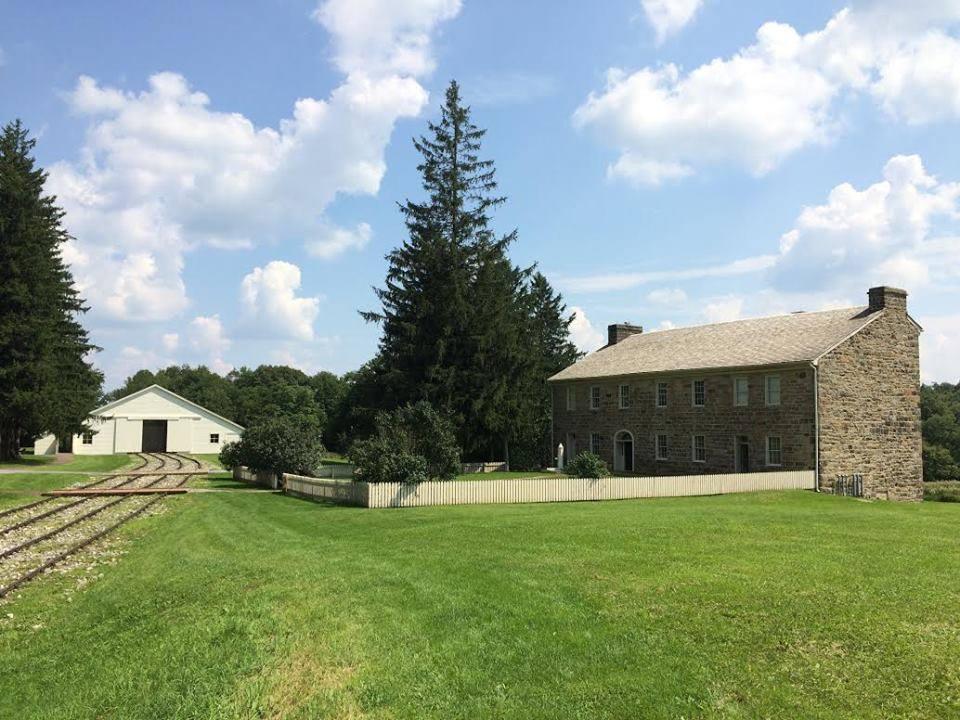
- The Lemon House: Visit the restored 1830s tavern that served as a rest stop for weary travelers at the railroad's summit.
- Engine House No. 6: Explore the exhibit shelter that protects the foundations of the stationary steam engine that powered Inclined Plane 6.
- Staple Bend Tunnel: Hike or bike to the first railroad tunnel in the U.S., a 901-foot engineering marvel with grand finished stone portals.
- Skew Arch Bridge: Admire the master stonework of this 1833 bridge, built at an angle to allow the railroad to pass over the Huntingdon, Cambria, and Indiana Turnpike.
- Living History Demonstrations: Witness first-person interpretations and historic weapons demonstrations that bring the 19th-century railroad to life.
- 6-to-10 Trail: Hike this historic path that follows the original route of the railroad between Inclined Planes 6 and 10.
- Summit Level Visitor Center: View the 20-minute park film and explore interactive exhibits that explain the mechanics of the portage system.
Getting There
The Allegheny Portage Railroad National Historic Site is located in the mountains of central Pennsylvania, making it a scenic drive from several major hubs.
By Car:
- From Altoona: Travel approximately 12 miles west on U.S. Route 22. Take the Gallitzin Exit and follow the well-marked National Park Service signs to the visitor center.
- From Ebensburg: Travel approximately 10 miles east on U.S. Route 22. Take the Gallitzin Exit and turn right, following the signs to the park entrance.
- Main Access: The primary access point for the visitor center and the historic summit area is the Gallitzin Exit of U.S. Route 22. This route leads directly to Federal Park Road.
Staple Bend Tunnel Access: It is important to note that the Staple Bend Tunnel is located in a separate unit of the park near Mineral Point, several miles from the main visitor center. Access to the tunnel requires a separate drive and a 2-mile (one-way) hike or bike ride from the trailhead.
Nearest Airports: The Altoona-Blair County Airport (AOO) is the closest regional airport, located about 25 miles away. For major commercial flights, the Pittsburgh International Airport (PIT) is approximately 95 miles to the west, and the Harrisburg International Airport (MDT) is about 120 miles to the east.
Public Transit: There is no direct public transportation to the park. Visitors typically rely on personal vehicles or rental cars from Altoona or Johnstown.
For more detailed maps and turn-by-turn instructions, please consult the official park directions page.
Best Time to Visit
The park is situated at the summit of the Allegheny Mountains, which means the weather can be significantly different from the surrounding valleys.
Spring: Spring is a time of awakening, with mountain wildflowers blooming along the 6-to-10 Trail. However, spring can be quite wet and foggy at the summit. Temperatures can fluctuate wildly, so dressing in layers is recommended. The trails can be muddy during the early spring thaw.
Summer: Summer is the peak season for activities, including the popular living history programs and historic weapons demonstrations. While the valleys may be sweltering, the mountain summit often remains several degrees cooler, providing a pleasant escape. Afternoon thunderstorms are common and can move in quickly over the ridges.
Fall: Autumn is spectacular in the Alleghenies. The hardwood forests turn brilliant shades of red, orange, and yellow, making the hike to the Staple Bend Tunnel particularly beautiful. The crisp, clear air provides excellent visibility for the various overlooks along the historic railroad route.
Winter: Winter brings extreme conditions to the summit. Heavy snow and biting winds are common, and the park often experiences much harsher winters than nearby Altoona. While the grounds and trails remain open (weather permitting), the historic buildings and visitor center may have seasonal hours or closures. It is always a good idea to call the park at 814-886-6150 before traveling from a distance in winter.
Activities and Adventures
The park offers a variety of ways to engage with its industrial and social history.
Exploring the Summit Area: Start your visit at the Summit Level Visitor Center. After watching the introductory film, take the boardwalk to the historic area. Here, you can tour the Lemon House and see the remains of Engine House No. 6. Rangers are often on-site to provide detailed explanations of the machinery and the daily lives of the workers.
Hiking the 6-to-10 Trail: For those who want to experience the scale of the railroad, this trail follows the original "level" section of the tracks. It is a relatively flat hike that provides a sense of the labor required to clear and level the mountain top in the 1830s.
Staple Bend Tunnel Excursion: A visit to the Staple Bend Tunnel is highly recommended. The 4-mile round-trip hike or bike ride is on a graded, crushed-stone path. The tunnel itself is a stunning piece of architecture, with its finished stone portals and the cool, damp atmosphere of its interior.
Living History and Demonstrations: Check the park's schedule for living history events. These often include costumed interpreters who portray travelers and workers from the 1840s. The historic weapons demonstrations provide insight into the military history of the period, particularly the movements of troops during the Mexican-American War.
Junior Ranger Program: Children can earn a badge by completing a series of activities that teach them about the canal system, the stationary steam engines, and the different types of people who traveled on the Portage.
Photography: The stone arches of the Skew Arch Bridge and the portals of the Staple Bend Tunnel are excellent subjects for photography. The historic buildings against the mountain backdrop provide many creative opportunities.
History & Engineering
The Allegheny Portage Railroad was a triumph of 19th-century American engineering.
The Main Line Canal: In response to the success of New York's Erie Canal, Pennsylvania commissioned the Main Line of Public Works. The system relied on canals for the flat sections of the state but needed a solution for the 1,400-foot vertical rise over the Alleghenies. The Portage Railroad was the answer, effectively "portaging" the canal boats over the mountain.
The Inclined Planes: The system used ten inclined planes, numbered 1 through 10. At the top of each plane, a stationary steam engine turned massive drums that moved a continuous loop of hemp rope (later replaced by wire rope designed by John Roebling). Boats and cars were hitched to these ropes to be pulled up or lowered down the steep grades. This was a dangerous and labor-intensive process that operated around the clock during the height of the season.
The Lemon House: Owned by Samuel Lemon, this tavern was strategically located at the summit of Inclined Plane 6. It served as a vital hub for the railroad, providing meals and lodging for passengers while the steam engines were serviced or ropes were changed. It is one of the few original structures from the railroad's operation that still stands today.
Staple Bend Tunnel: Construction began in 1831 and was completed in 1833. At 901 feet long, it was the first railroad tunnel in the country. The stone cutting and masonry work on the portals were intended to demonstrate the permanence and grandeur of the Pennsylvania canal system.
Obsolescence and Legacy: By the mid-1850s, the development of more powerful locomotives allowed the Pennsylvania Railroad to bypass the inclined planes with a continuous rail line (including the famous Horseshoe Curve). The Portage was soon rendered obsolete, but its success had already proven that the Allegheny barrier could be conquered, paving the way for the transcontinental railroads that would follow.
Lodging and Camping
While there is no camping or lodging within the historic site, the surrounding area has several options.
In-Park Camping: Not available.
Nearby State Parks: Prince Gallitzin State Park and Blue Knob State Park are within a 30-40 minute drive. Both offer developed campgrounds for tents and RVs, as well as hiking, swimming, and fishing.
Hotels: Altoona (12 miles east) and Ebensburg (10 miles west) have a wide variety of hotels, motels, and bed and breakfasts. Altoona, as a larger city, offers more dining and entertainment options.
Supplies: The nearby town of Gallitzin has basic services, but for major shopping and supplies, Ebensburg or Altoona are the best choices.
Essential Information
Park Fees and Passes
- Entrance Fee: There is no fee to visit the Allegheny Portage Railroad National Historic Site.
- Tours and Programs: Most ranger-led programs, including tours of the Lemon House and the visitor center, are free to the public.
Safety Considerations
- Mountain Weather: Be prepared for sudden changes in weather at the summit. High winds and thunderstorms are common in the summer, and winter conditions can be severe.
- Hiking Safety: Wear sturdy shoes when hiking the 6-to-10 Trail or the path to Staple Bend Tunnel. Carry water, as there are no facilities along the more remote trail sections.
- Historic Structures: Please respect the historic remains by not climbing on the foundations of the engine houses or the stone sleepers of the original track beds.
- Ticks: Like much of Pennsylvania, the park's wooded areas have ticks. It is recommended to stay on the trails and use insect repellent during the warmer months.
Services and Facilities
The Summit Level Visitor Center is fully accessible and includes restrooms, a bookstore, and the park theater. The Lemon House is also accessible. The boardwalk to the historic area is wheelchair friendly, but some of the longer hiking trails have uneven terrain.
Contact
- Phone: 814-886-6150
- Email: [email protected]
- Official site: https://www.nps.gov/alpo/index.htm
The Allegheny Portage Railroad National Historic Site is a powerful reminder of a time when the impossible became possible through engineering and grit. Walking the summit level or standing at the portal of the Staple Bend Tunnel, you can almost hear the hiss of the steam engines and the rumble of the cars. It is a must-visit for anyone who wants to understand the industrial foundations of the American spirit.
Park Overview
Detailed overview of the park's history, geography, and main attractions will go here. This section provides essential background information for visitors.
Top Hikes
- Iconic Summit TrailDifficulty: Strenuous • Distance: 8 miles round trip
Loading reviews…
- Waterfall LoopDifficulty: Moderate • Distance: 3 miles loop
Loading reviews…
- Lakeside WalkDifficulty: Easy • Distance: 1.5 miles out & back
Loading reviews…
Recommended Hiking Gear
Gear up for your adventure with our trusted partners. These items help support the site at no extra cost to you!

Places to Stay
- Historic Park LodgeBook early!Type: Lodge
Loading reviews…
- Riverside CampgroundReservations required.Type: Campground
Loading reviews…
- Gateway Town Hotel15 miles from entrance.Type: Nearby Hotel
Loading reviews…