Anacostia Park
Fast Facts
Anacostia Park
In the bustling landscape of the nation’s capital, Anacostia Park serves as a critical "neighborhood national park," providing 1,200 acres of waterfront green space in Southeast Washington, D.C. Running parallel to the Anacostia River, this sprawling urban sanctuary offers a breath of fresh air for residents and visitors alike. It is a place where the grandeur of the National Park System meets the daily lives of the local community, fostering a unique environment for recreation, environmental restoration, and historical reflection.
The park is far more than just a collection of athletic fields and picnic groves. It is a vital component of the city's ecological health, protecting significant wetlands and riparian habitats that are essential for the diverse wildlife of the Potomac River watershed. For decades, Anacostia Park has been a focal point for community gathering, serving as a backdrop for family reunions, sporting events, and cultural festivals. Its history is deeply intertwined with the development of the Anacostia neighborhood and the broader story of urban planning and environmental justice in the District of Columbia.
Visiting Anacostia Park offers a different perspective on Washington, D.C. Away from the marble monuments of the National Mall, this park provides an intimate connection to the city's living landscape. Whether you are cycling the scenic Anacostia River Trail, roller skating in the iconic open-air pavilion, or simply enjoying a quiet sunset over the water with views of the Navy Yard and Nationals Stadium, the park offers a sense of tranquility and community that is rare in a major metropolitan area.
Key Highlights
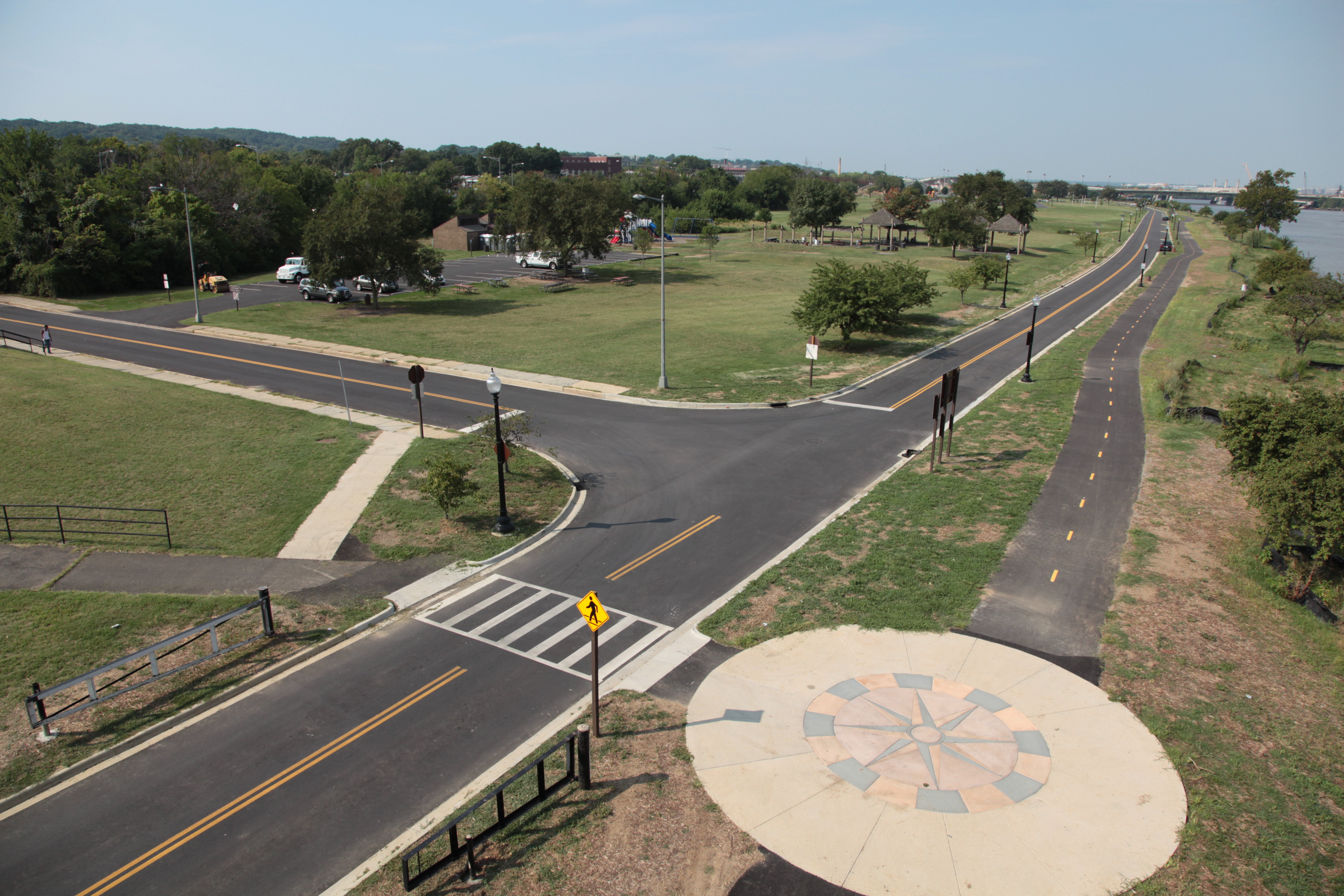
- Anacostia River Trail: Experience miles of paved, multi-use paths that wind along the river, perfect for cycling, jogging, and walking with spectacular waterfront views.
- Anacostia Skating Pavilion: Visit the only roller skating rink in the National Park System, an open-air, covered facility that offers free skate rentals and a vibrant community atmosphere.
- Kenilworth Aquatic Gardens: Explore a hidden gem within the park boundaries featuring exotic water lilies, lotuses, and ancient tidal marshes (located at the northern end).
- River Access and Paddling: Launch a kayak or canoe from various points to explore the gentle currents and restored wetlands of the Anacostia River.
- Urban Wildlife Watching: Spot bald eagles, ospreys, herons, and various migratory waterfowl that have returned to the river as its health has improved.
- Recreational Sports: Utilize the park’s numerous basketball and tennis courts, as well as expansive multi-purpose fields for soccer, football, and community games.
- Riverfront Picnicking: Enjoy a meal at one of the many designated picnic areas, offering a serene environment for large groups and family gatherings.
Getting There
Anacostia Park is easily accessible from various parts of the District and the surrounding Maryland suburbs.
By Car:
- From Downtown D.C.: Cross the Anacostia River via the South Capitol Street Bridge (Frederick Douglass Memorial Bridge) or the 11th Street Bridge. The park can be accessed directly from Anacostia Drive SE.
- From the Baltimore-Washington Parkway (I-295): There are multiple exits that lead directly into the park, including the Good Hope Road SE and Nicholson Street SE exits.
- Main Entrance: The primary administrative address is 1900 Anacostia Drive SE, Washington, DC 20020.
By Public Transit (WMATA):
- Metro: The Anacostia Metro Station (Green Line) is located a short walk or bike ride from the park’s southern end.
- Bus: Several Metrobus lines serve the neighborhoods adjacent to the park, including routes that stop along Good Hope Road and MLK Jr. Avenue.
- Capital Bikeshare: Numerous Bikeshare docks are located near the park entrances and along the river trail, making it easy to rent a bike for a one-way trip through the park.
By Foot or Bike: The Anacostia River Trail provides a seamless connection for those arriving from Capitol Hill, the Navy Yard, or the Maryland border. The trail is part of the larger regional trail network, including the East Coast Greenway.
Parking: Free parking is available in several large lots throughout the park, including near the skating pavilion, the aquatic gardens, and the various recreational fields.
For more detailed maps and turn-by-turn directions, visit the official park directions page.
Best Time to Visit
The experience at Anacostia Park changes with the seasons, reflecting the classic mid-Atlantic climate of Washington, D.C.
Spring: This is arguably the most beautiful time to visit. The park comes alive with blooming wildflowers and the famous cherry blossoms (though less crowded here than at the Tidal Basin). The temperatures are mild, and the light breeze off the river makes it perfect for long bike rides or walks.
Summer: Summers are typically hot and humid. However, the Anacostia Skating Pavilion is a major draw during this season, providing a shaded and breezy spot for recreation. Many visitors choose to visit the park in the early morning or late evening to avoid the peak heat. This is also the best time to see the lotuses and lilies in bloom at the nearby Kenilworth Aquatic Gardens.
Fall: As the heat of summer fades, the fall brings crisp, clear air and vibrant autumn foliage. The changing colors of the trees along the riverbanks provide a stunning backdrop for photography. It is a popular time for community festivals and sports tournaments.
Winter: Winters can be cold and biting, with temperatures often dropping below freezing. While the park is quieter, the river trail remain open and are often used by dedicated cyclists and joggers. The skating pavilion typically closes for the winter season, though the grounds remain open for quiet walks.
Operating Hours: The park is generally open from 6:00 AM to 10:00 PM daily. Specific facilities, such as the skating pavilion, have seasonal hours and rental booth schedules.
Activities and Adventures
Anacostia Park is designed to accommodate a wide range of recreational interests, from high-energy sports to quiet nature study.
Cycling and Skating: The Anacostia River Trail is the park’s primary artery. The paved trail is mostly flat, making it accessible for all skill levels. For a unique experience, head to the Skating Pavilion. During the summer months, the park offers free roller skate rentals, making it a beloved destination for local children and skating enthusiasts.
Boating and Fishing: The river provides opportunities for freshwater fishing (valid D.C. fishing license required). You can catch catfish, perch, and occasionally bass. For those looking to get on the water, kayaking and canoeing are popular ways to see the park from a different perspective. Several marinas are located along the park’s edge.
Sports and Team Activities: The park is a hub for community sports. You will often see competitive basketball games, tennis matches, and youth soccer or football practices on the well-maintained courts and fields. The park’s playgrounds are also a major draw for families with young children.
Exploring Kenilworth Aquatic Gardens: Located within the park’s northern unit, this site is a must-visit for nature lovers. It features a series of ponds filled with spectacular aquatic plants from around the world. The boardwalks through the tidal marshes provide some of the best birdwatching in the city.
Photography: The park offers unique "urban-natural" views. You can capture the juxtaposition of the river’s wildlife against the backdrop of the city’s skyline, including the U.S. Capitol dome in the distance and the industrial beauty of the Navy Yard.
Junior Ranger Program: Children can participate in an educational program that focuses on the health of the Anacostia River and the history of the surrounding neighborhoods. Completing the activities allows them to earn a Junior Ranger badge.
History & Environmental Restoration
The story of Anacostia Park is one of transformation and ongoing resilience.
Indigenous History: Long before it was a national park, the banks of the river were home to the Nacotchtank people (Anacostans). They established a prosperous trading hub here, utilizing the river’s rich resources for thousands of years. The name "Anacostia" is derived from their name.
The Bonus Army: In 1932, during the Great Depression, the park became the site of a massive protest. Thousands of WWI veterans, known as the "Bonus Army," established a camp here to demand early payment of their service bonuses. The camp was eventually forcibly cleared by the U.S. Army, a significant event in American social and political history.
Environmental Challenges and Recovery: For much of the 20th century, the Anacostia River suffered from severe pollution and industrial runoff. In recent decades, a massive multi-agency effort has worked to restore the river’s health. The park plays a key role in this, as its wetlands act as natural filters. The return of species like the bald eagle is a powerful indicator of the river’s recovery.
A Community Anchor: Since its establishment in 1918, the park has been a vital resource for the residents of Ward 7 and Ward 8. During the era of segregation, it was one of the few places where African American residents could access waterfront recreation, cementing its importance as a symbol of community and perseverance.
Lodging and Camping
As an urban park within the District of Columbia, there is no camping or lodging on-site.
In-Park Camping: Not available.
Nearby Accommodations: Visitors can find a vast array of hotels in downtown D.C., the Navy Yard, or the nearby Capitol Hill neighborhood. Staying in these areas allows for easy access to the park via bike or Metro.
Dining: The Navy Yard and Capitol Hill neighborhoods offer numerous dining options ranging from casual cafes to high-end restaurants. Closer to the park, the Anacostia neighborhood features several local eateries and community-focused cafes.
Essential Information
Park Fees and Passes
- Entrance Fee: There is no fee to enter Anacostia Park or the Kenilworth Aquatic Gardens.
- Skate Rental: Roller skate rentals at the pavilion are free of charge during the summer season, though a valid ID is usually required.
Safety Considerations
- Urban Safety: As with any city park, be aware of your surroundings and keep an eye on your personal belongings. The park is well-patrolled, but it is always best to stay in well-lit, populated areas after dark.
- River Safety: While the Anacostia River is improving, it is still not recommended for primary-contact recreation like swimming. Stick to boating and fishing.
- Heat and Sun: During the summer, the park can be very hot with limited shade along the river trail. Wear a hat and carry plenty of water.
- Ticks and Insects: When walking in the tall grass or near the marshy areas of Kenilworth, be mindful of ticks and mosquitoes.
Services and Facilities
The Anacostia Skating Pavilion has public restrooms and water fountains (seasonal). There are also facilities at the Kenilworth Aquatic Gardens visitor center. Most of the main river trail is fully accessible to wheelchairs and strollers.
Contact
- Phone: 711-208-1571
- Email: [email protected]
- Official site: https://www.nps.gov/anac/index.htm
Anacostia Park is a testament to the idea that nature and history are not just found in remote wilderness, but are integral parts of our urban lives. It is a place of movement, recreation, and healing. Whether you are a local resident looking for a place to exercise or a visitor seeking a unique D.C. experience, Anacostia Park offers a moving and vibrant connection to the heart of the capital.
Park Overview
Detailed overview of the park's history, geography, and main attractions will go here. This section provides essential background information for visitors.
Top Hikes
- Iconic Summit TrailDifficulty: Strenuous • Distance: 8 miles round trip
Loading reviews…
- Waterfall LoopDifficulty: Moderate • Distance: 3 miles loop
Loading reviews…
- Lakeside WalkDifficulty: Easy • Distance: 1.5 miles out & back
Loading reviews…
Recommended Hiking Gear
Gear up for your adventure with our trusted partners. These items help support the site at no extra cost to you!

Places to Stay
- Historic Park LodgeBook early!Type: Lodge
Loading reviews…
- Riverside CampgroundReservations required.Type: Campground
Loading reviews…
- Gateway Town Hotel15 miles from entrance.Type: Nearby Hotel
Loading reviews…