Appomattox Court House National Historical Park
Fast Facts
Appomattox Court House National Historical Park
In the quiet Virginia countryside, the Appomattox Court House National Historical Park preserves one of the most significant moments in American history. On April 9, 1865, the village of Appomattox Court House became the stage for the final act of the nation’s bloodiest conflict. It was here, in the parlor of the McLean House, that General Robert E. Lee surrendered the Army of Northern Virginia to Lieutenant General Ulysses S. Grant. This event signaled the effective end of the American Civil War, setting in motion the long and complex process of national reunification and the realized hope of emancipation for millions.
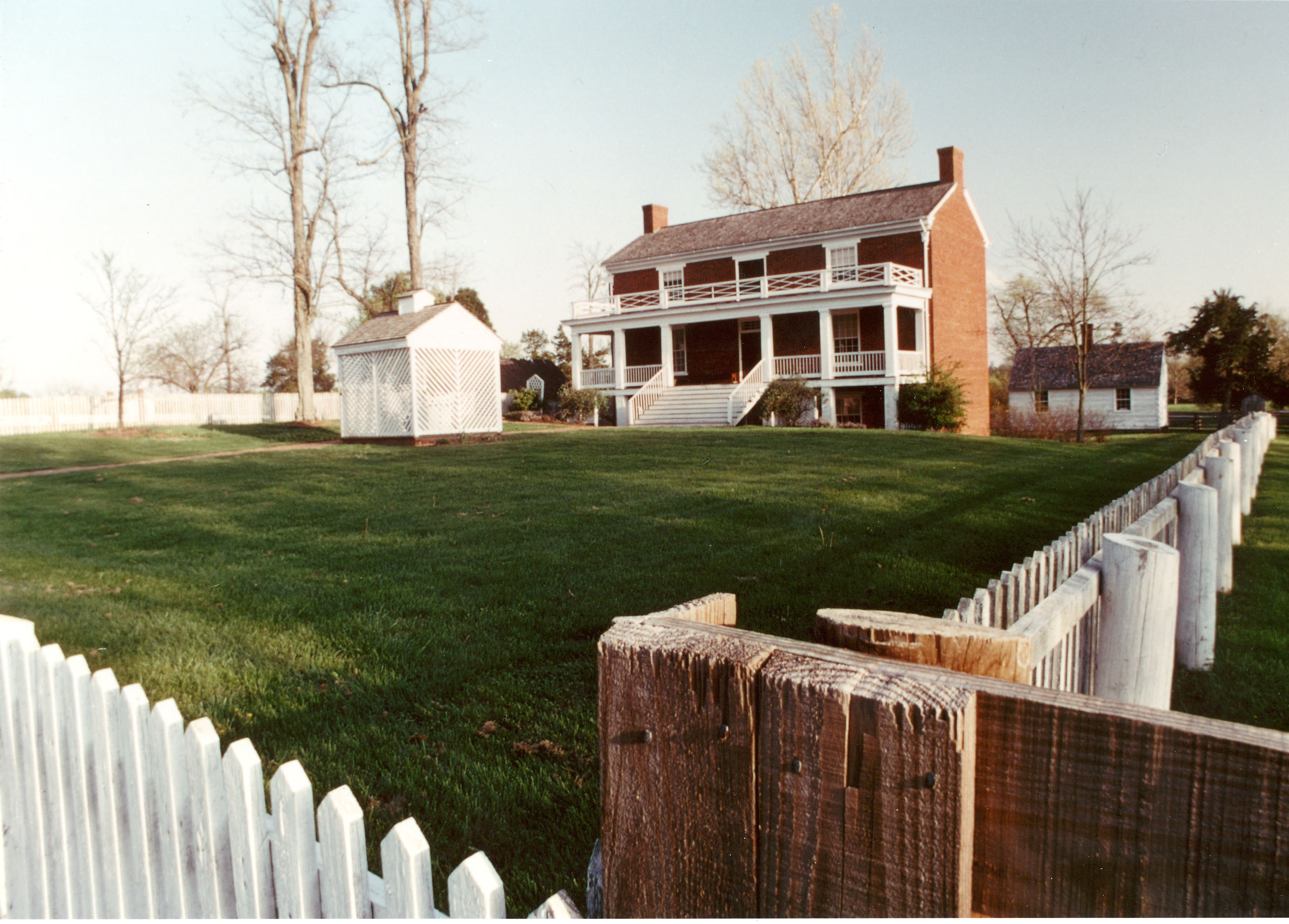
The park is not merely a battlefield; it is a meticulously preserved 19th-century village that allows visitors to step back into the world of 1865. The National Park Service manages 1,700 acres of significant landscape, including the original village streets, the reconstructed McLean House, and the courthouse that gives the site its name. Walking through the village, you can feel the weight of the history that unfolded here—the exhaustion of the retreating Confederate forces, the determination of the pursuing Union army, and the profound relief and uncertainty that followed the signing of the surrender terms.
A visit to Appomattox Court House is an opportunity to reflect on the meaning of "The End" and the beginning of a "New Birth of Freedom." The site interprets not only the military maneuvers of the Appomattox Campaign but also the social and political questions that remained: how would a divided nation heal? How would the promises of the Emancipation Proclamation be fulfilled in a post-war society? Whether you are a student of military history or someone interested in the broader American narrative, this historical park provides a moving and essential connection to the foundations of the modern United States.
Key Highlights
- The McLean House: Tour the reconstructed home of Wilmer McLean, where the surrender meeting between Lee and Grant actually took place.
- The Village of Appomattox Court House: Explore nearly two dozen original and reconstructed buildings, including the tavern, the general store, and the courthouse.
- The Surrender Triangle: Stand at the location where the Confederate infantry formally stacked their arms and furled their flags in a ceremony of respect and reconciliation.
- Living History Programs: Witness first-person interpretations and cultural demonstrations that bring the people of 1865 to life.
- Historic Weapons Demonstrations: Watch rangers and volunteers demonstrate the muskets and artillery that defined the Civil War soldier’s experience.
- The Confederate Cemetery: Pay your respects at the final resting place of eighteen Confederate soldiers and one Union soldier who died during the final battles at Appomattox.
- Junior Ranger Program: An educational program for children that focuses on the themes of peace, reconciliation, and the history of the surrender.
Getting There
Appomattox Court House National Historical Park is located in central Virginia, approximately 20 miles east of Lynchburg.
By Car:
- From Lynchburg, VA: Travel approximately 20 miles east on U.S. Highway 460. Take the exit for Route 24 and follow the brown National Park Service signs.
- From Richmond, VA: Head west on U.S. Highway 360 to U.S. Highway 460 West. The drive is approximately 95 miles (1.5 to 2 hours).
- From the Modern Town of Appomattox: The park is located 3 miles east of the modern town along Route 24.
- Main Entrance: The primary address for the park is 239 George Peers Drive, Appomattox, VA 24522.
Nearest Airports:
- Lynchburg Regional Airport (LYH): The closest airport, offering regional flights and car rentals.
- Richmond International Airport (RIC): The nearest major commercial hub, approximately 100 miles to the east.
- Roanoke-Blacksburg Regional Airport (ROA): Located about 75 miles to the west.
Public Transit: There is no direct public transportation, bus service, or shuttle that serves the historical park. A personal or rental vehicle is necessary for your visit.
Parking: Ample free parking is available in the main lot near the Visitor Center. From the parking lot, the historic village is a short walk along a paved path.
For more detailed maps and turn-by-turn directions, visit the official park directions page.
Best Time to Visit
The experience at Appomattox Court House changes with the seasons, each offering a different perspective on the historic landscape.
Spring: Spring is a popular time to visit, as the dogwoods and redbuds are in bloom throughout the village. The weather is typically mild (50s to 70s), making it ideal for walking the village streets and hiking the park’s trails. This is also the time of the surrender anniversary (April 9), which often features special commemorative events.
Summer: Summers in central Virginia are hot and humid. Temperatures frequently reach into the 80s and 90s. This is the peak season for living history programs and ranger-led tours. Most of the historic buildings are not climate-controlled, so it is recommended to visit early in the morning and carry plenty of water.
Fall: Autumn is arguably the most beautiful time to visit the park. The cooling temperatures and the spectacular fall foliage of the Virginia Piedmont provide a stunning backdrop for the red brick buildings of the village. The humidity drops, making for very comfortable conditions for exploring.
Winter: Winter brings a quiet and contemplative mood to the park. While snow and ice can occur (sometimes leading to temporary closures), the site is often clear. The lack of foliage allows for better visibility of the surrounding terrain and the earthworks from the final battle. The visitor center remains open daily, but living history programs are typically not held in the winter.
Operating Hours: The park is generally open daily from 9:00 AM to 5:00 PM. It is closed on Thanksgiving, Christmas, and New Year's Day.
Activities and Adventures
Appomattox Court House is designed for immersive historical exploration and quiet recreation.
Exploring the Historic Village: Start your visit at the Visitor Center (housed in the reconstructed courthouse). After watching the introductory film, take a self-guided walking tour of the village. Highlights include the McLean House, the Clover Hill Tavern, the Meeks General Store, and the Peers House.
The McLean House Tour: This is the centerpiece of the park. Rangers or volunteers are often stationed in the house to explain the details of the surrender meeting and the symbolic importance of the furnishings. The house is a reconstruction, but it is built on the original foundations and features period-accurate details.
Living History and Demonstrations: Check the park’s daily schedule for living history programs. These might include a "soldier’s life" talk, a civilian perspective on the war’s end, or a historic weapons demonstration. These programs are designed to make the history accessible and engaging for all ages.
Hiking and Nature Trails: The park features several miles of trails that traverse the historic landscape and the scenes of the final fighting on April 8th and 9th. The "Surrender Road" trail allows you to walk the path taken by the retreating Confederate army. These trails offer a peaceful way to see the fields and forests that surround the village.
Confederate Cemetery: A short walk from the village center leads to the Confederate Cemetery. It is a small, solemn site that reminds visitors of the human cost of the war's final hours.
Junior Ranger Program: Children can earn a badge by completing a workbook that encourages them to think like historians and peace-makers. The activities involve searching for clues in the village and understanding the terms of the surrender.
History & Significance
The story of Appomattox is a story of transition from war to peace.
The Appomattox Campaign: Following the fall of Richmond and Petersburg in early April 1865, Lee’s Army of Northern Virginia retreated westward, hoping to find supplies and link up with other Confederate forces. Grant’s Union army pursued relentlessly, eventually cutting off Lee’s escape route at Appomattox. After a final attempt to break through the Union lines on the morning of April 9th, Lee realized that "there is nothing left for me to do but go and see General Grant."
The Surrender Meeting: The two generals met in the parlor of Wilmer McLean’s home around 1:30 PM on Palm Sunday. The contrast between the two men was striking: Lee in his finest uniform and Grant in his mud-spattered field attire. The terms Grant offered were surprisingly generous: the Confederate soldiers were to be paroled and allowed to return home, and those who owned horses or mules could keep them for the spring planting. This "Peace at Appomattox" prevented a lingering guerrilla war and laid the groundwork for reunification.
Wilmer McLean's Strange Fate: Wilmer McLean had moved to Appomattox to escape the war. His previous home in Manassas had been used as a headquarters during the First Battle of Bull Run in 1861. It is often said that the Civil War "began in McLean’s front yard and ended in his parlor."
The Meaning of the Surrender: While other Confederate armies would surrender in the following weeks, Lee’s surrender was the decisive blow. It signaled that the war was over and that the United States would remain one nation. However, it also marked the beginning of the difficult era of Reconstruction, as the nation struggled to define the status of the formerly enslaved people and the nature of the "new" Union.
Lodging and Camping
While there is no camping or lodging within the historical park, there are several options in the surrounding area.
In-Park Camping: Not available.
Nearby Accommodations: The modern town of Appomattox (3 miles west) has several motels, guesthouses, and bed and breakfasts. For a wider selection of hotels and services, the city of Lynchburg (20 miles west) offers numerous national chains and dining options.
Holiday Lake State Park: Located about 15 miles to the northeast, this state park offers developed campgrounds, swimming, and fishing for those looking to stay in a natural setting.
Dining: The modern town of Appomattox features several local restaurants and cafes. There are no food services within the historical park, though there are picnic tables near the main parking area.
Essential Information
Park Fees and Passes
- Entrance Fee: There is no fee to enter Appomattox Court House National Historical Park.
- Tours and Programs: All ranger-led programs and entry to the historic buildings are free of charge.
Safety Considerations
- Heat and Hydration: Central Virginia can be very hot in the summer. Carry water and wear sun protection while walking between buildings.
- Ticks and Insects: When hiking the park’s trails, stay on the designated paths and use insect repellent to protect against ticks and mosquitoes.
- Historic Preservation: Help protect the site by not climbing on the historic fences or stone walls. Do not touch the artifacts or furnishings within the historic homes.
- Respectful Conduct: The village and the cemetery are places of historical significance and solemn memory. Please maintain a respectful demeanor and keep noise levels low.
Services and Facilities
The Visitor Center (Courthouse) is fully accessible and includes restrooms, a museum, and a bookstore. Most of the paths in the historic village are graveled or paved and are suitable for wheelchairs and strollers. The McLean House has a ramp for accessibility, though the second floor is accessible only by stairs.
Contact
- Phone: 434-352-8987 (Ext. 226)
- Email: [email protected]
- Official site: https://www.nps.gov/apco/index.htm
Appomattox Court House National Historical Park is a place of profound power and reconciliation. By standing where Lee and Grant stood, visitors can better understand the immense challenges and the ultimate hope that defined the end of the Civil War. It is a essential destination for anyone seeking to understand the American journey from a divided house to a reunited nation.
Park Overview
Detailed overview of the park's history, geography, and main attractions will go here. This section provides essential background information for visitors.
Top Hikes
- Iconic Summit TrailDifficulty: Strenuous • Distance: 8 miles round trip
Loading reviews…
- Waterfall LoopDifficulty: Moderate • Distance: 3 miles loop
Loading reviews…
- Lakeside WalkDifficulty: Easy • Distance: 1.5 miles out & back
Loading reviews…
Recommended Hiking Gear
Gear up for your adventure with our trusted partners. These items help support the site at no extra cost to you!

Places to Stay
- Historic Park LodgeBook early!Type: Lodge
Loading reviews…
- Riverside CampgroundReservations required.Type: Campground
Loading reviews…
- Gateway Town Hotel15 miles from entrance.Type: Nearby Hotel
Loading reviews…