Andrew Johnson National Historic Site
Fast Facts
Andrew Johnson National Historic Site
Located in the historic town of Greeneville, Tennessee, the Andrew Johnson National Historic Site preserves the locations associated with the life and career of the 17th President of the United States. Andrew Johnson’s story is one of the most remarkable and controversial in American politics. Born into poverty and never having attended a day of school, he rose through the ranks of local, state, and national government to lead the country during the fragile years of Reconstruction following the Civil War. The site is not just a collection of buildings; it is a testament to the power of the U.S. Constitution and the enduring debate over the balance of power in American democracy.
The park is divided into several distinct units that represent different phases of Johnson’s life. Visitors can see the original tailor shop where he worked as a young man and began his political awakening, his "early home" from the 1830s, and the more substantial homestead where he lived for most of his adult life. The site also includes the Andrew Johnson National Cemetery, where the President and his family are buried on a commanding hill overlooking the town. Throughout these locations, the National Park Service interprets the complex issues of Johnson’s presidency, including his clashes with the Radical Republicans in Congress and his landmark impeachment trial.
A visit to the Andrew Johnson National Historic Site offers a deep dive into a pivotal era of American history. It challenges visitors to think about the meaning of citizenship, the legacy of the Civil War, and the evolution of the Constitution as a "living document." Whether you are a history buff, a student of the presidency, or a traveler exploring the beauty of East Tennessee, this site provides a moving and intellectually stimulating experience in a beautifully preserved 19th-century setting.
Key Highlights
- The Andrew Johnson Tailor Shop: Step inside the original 1830s tailor shop, now preserved within a protective memorial building, where Johnson developed his oratorical skills and political philosophy.
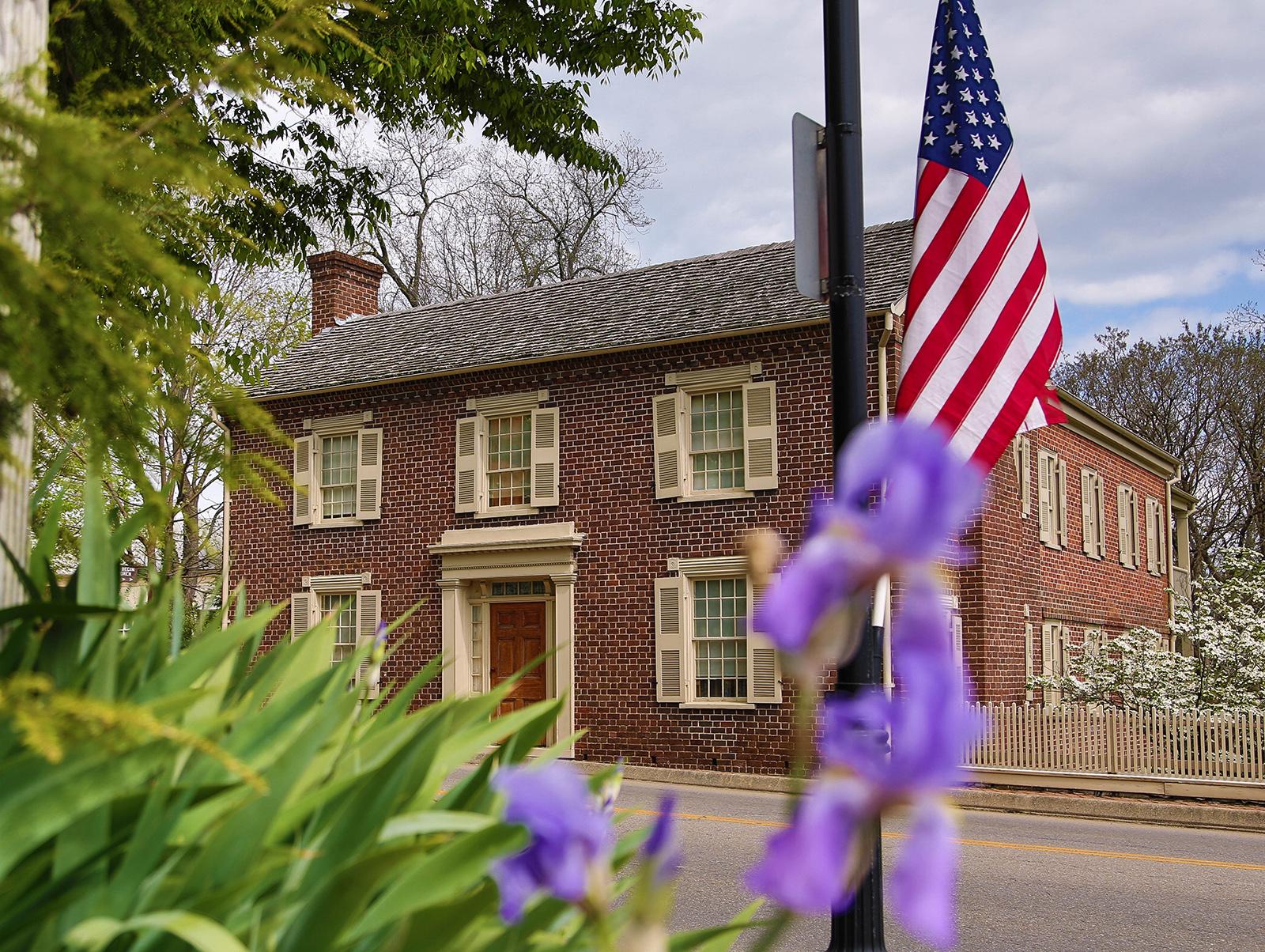
- The Homestead: Take a guided tour of the brick two-story house that was the Johnson family home for over 20 years, featuring many original family furnishings.
- Andrew Johnson National Cemetery: Pay your respects at the President’s grave, marked by a soaring marble monument and surrounded by the headstones of thousands of American veterans.
- The Early Home: Explore the modest house where the Johnsons lived as they first began their rise to prominence in Greeneville.
- The Visitor Center Museum: View interactive exhibits and original artifacts that detail Johnson’s presidency, his impeachment, and the social and political turmoil of Reconstruction.
- Monument Hill: Experience the command views of the surrounding mountains and valleys from the highest point in the National Cemetery.
- Junior Ranger Program: An engaging way for younger visitors to learn about the 19th-century presidency and the importance of the Constitution.
Getting There
The Andrew Johnson National Historic Site is located in the heart of Greeneville, Tennessee, in the foothills of the Appalachian Mountains.
By Car:
- From I-81 South: Take Exit 36 for Route 172. Follow the signs south toward Greeneville. Route 172 will lead you directly into the historic district.
- From I-81 North: Take Exit 23 for Route 11E. Follow 11E North toward Greeneville and follow the brown National Park Service signs.
- Visitor Center Location: To reach the main visitor center, use the address 101 North College Street, Greeneville, TN 37743.
- Park Headquarters: The headquarters is located within the National Cemetery at 121 Monument Ave.
Nearest Airports:
- Tri-Cities Regional Airport (TRI): Located approximately 43 miles northeast of Greeneville. From the airport, take I-81 South to Exit 36 and follow the signs.
- McGhee Tyson Airport (TYS): Located in Knoxville, approximately 75 miles to the southwest.
Public Transit: There is no direct public transportation or shuttle service to Greeneville. A personal or rental vehicle is necessary for visiting the various units of the park, as they are spread across several blocks of the town.
Parking: Free parking is available at the Visitor Center, the Early Home, and at the National Cemetery. The town of Greeneville is walkable, and many visitors choose to park at the Visitor Center and walk between the downtown historic units.
For more detailed maps and turn-by-turn directions, visit the official park directions page.
Best Time to Visit
East Tennessee experiences four distinct seasons, each offering a different atmosphere for exploring the historic site.
Spring: Spring is a pleasant time to visit as the hardwood trees and gardens of Greeneville begin to bloom. The weather is typically mild, though rain showers are frequent. This is an excellent time for walking between the downtown units.
Summer: Summers can be hot and humid. It is important to note that the historic Andrew Johnson Homestead is not climate-controlled. During periods of extreme heat, the homestead may be closed to protect the artifacts and the safety of visitors and staff. If you visit in summer, try to schedule your homestead tour for the early morning.
Fall: Many consider autumn to be the best time to visit Greeneville. The cooling temperatures and the spectacular fall foliage in the nearby mountains make for a beautiful setting. The crisp air is perfect for exploring Monument Hill in the National Cemetery.
Winter: Winters are generally cool to cold, with occasional snow. The site takes on a quiet, peaceful atmosphere, especially the National Cemetery under a blanket of snow. Like the summer, the homestead may be closed during periods of extreme cold.
Operating Hours: The Visitor Center and museum are generally open daily from 9:00 AM to 4:00 PM. During the winter and spring, the site may transition to a Wednesday-through-Sunday schedule. Always check the park’s website or call 423-638-3551 for current hours before your visit.
Activities and Adventures
The Andrew Johnson National Historic Site offers several ways to engage with the President's personal and political life.
Homestead Tours: These are the most popular activity at the park. Guided tours of the Andrew Johnson Homestead are led by National Park Service rangers. Because tours are limited to 10 people and are based on staffing, it is recommended to stop by the Visitor Center as soon as you arrive to secure a ticket. Tickets must be picked up at least 15 minutes before the tour time.
Self-Guided Museum Tour: The museum in the Visitor Center is comprehensive, detailing Johnson's rise from a tailor to the presidency. It includes a high-quality film that provides the historical context for his impeachment and his work during the Civil War as Military Governor of Tennessee.
Walking the Historic District: Most of the park’s units are located within a few blocks of each other in downtown Greeneville. A walking tour allows you to see the town as Johnson knew it, including several other historic 19th-century buildings.
Exploring the National Cemetery: The cemetery is a place of great beauty and solemnity. You can walk the winding paths up to the Johnson family monument at the top of the hill. The cemetery is still an active burial place for veterans, so please maintain a respectful demeanor.
Junior Ranger Program: Children can participate in an educational program that focuses on the tailor shop and the Constitution. Completing the activities allows them to earn a Junior Ranger badge.
Photography: The brick architecture of the homestead and the marble monuments of the cemetery are excellent subjects for photography. The interior of the tailor shop, housed within its protective building, is also a unique subject.
History & Significance
The story of Andrew Johnson is inseparable from the story of the American Constitution during its greatest crisis.
The Rise of the "Tailor President": Andrew Johnson arrived in Greeneville in 1826 as a young man with few prospects. He opened a tailor shop, which soon became a local gathering place for political discussion. Despite his lack of formal education, his wife, Eliza McCardle, helped him improve his reading and writing skills. His political career began in Greeneville and saw him serve in nearly every level of government: city alderman, mayor, state legislator, U.S. Congressman, Governor of Tennessee, U.S. Senator, and Vice President.
The Civil War and the Military Governor: When Tennessee seceded from the Union in 1861, Johnson was the only Southern senator who remained loyal to the United States. In 1862, Abraham Lincoln appointed him Military Governor of Tennessee, a dangerous and difficult position that solidified his reputation as a "War Democrat." This loyalty led to his selection as Lincoln's running mate in 1864.
The Reconstruction Presidency: Johnson became President following Lincoln’s assassination in April 1865. His presidency was dominated by the question of how to readmit the Southern states to the Union. His lenient policies toward the former Confederacy and his opposition to civil rights for formerly enslaved people led to a bitter conflict with the Republican-controlled Congress. This struggle resulted in the first-ever impeachment of a U.S. President in 1868.
Impeachment and Legacy: Johnson was acquitted by the Senate by a single vote. While his presidency is often ranked poorly by historians due to his opposition to Reconstruction-era civil rights, his life story remains a powerful example of the "log cabin to White House" narrative. His eventual return to the U.S. Senate in 1875, the only former President to do so, served as a final vindication of his political career in the eyes of his supporters.
Lodging and Camping
Greeneville is a historic town that offers several options for travelers staying in the East Tennessee region.
In-Park Camping: There is no camping or lodging allowed within the Andrew Johnson National Historic Site.
Nearby Accommodations: The town of Greeneville has several hotels, motels, and bed and breakfasts, including some located in historic buildings. For a wider selection of accommodations and services, the cities of Johnson City and Kingsport are about 35-40 minutes away.
State Parks: For those looking to camp, David Crockett Birthplace State Park is located approximately 15 miles to the east and offers developed campgrounds, fishing, and hiking.
Dining: Greeneville has a variety of local restaurants in its downtown area, ranging from casual cafes to traditional Southern dining.
Essential Information
Park Fees and Passes
- Entrance Fee: There is no fee to enter the Andrew Johnson National Historic Site or to take the guided homestead tours.
- Passes: While the park is free, the Visitor Center bookstore sells "America the Beautiful" passes for use at other National Park sites.
Safety Considerations
- Climate Control: As mentioned, the historic homestead is not climate-controlled. Be prepared for heat in the summer and cold in the winter.
- Walking Safety: The walk between park units in downtown Greeneville involves crossing public streets. Use designated crosswalks and be mindful of traffic.
- Cemetery Etiquette: The National Cemetery is an active burial site. Please stay on the paved paths and maintain a quiet, respectful atmosphere.
- Historic Preservation: Help protect the site by not touching the historic wallpaper or furnishings in the homestead and not leaning on the monuments in the cemetery.
Services and Facilities
The Visitor Center is fully accessible and includes restrooms, a museum, and a bookstore. The tailor shop is also accessible. The homestead tour involves stairs to the second floor, though the first floor is accessible. The National Cemetery has paved roads that are suitable for vehicles and wheelchairs.
Contact
- Phone: 423-638-3551
- Email: [email protected]
- Official site: https://www.nps.gov/anjo/index.htm
Andrew Johnson National Historic Site provides a window into a time of great national transformation. By exploring the quiet streets of Greeneville and the halls of the Johnson homes, visitors can better understand the challenges of the post-Civil War era and the enduring strength of the American political system. It is a place of deep history and profound questions about the nature of our democracy.
Park Overview
Detailed overview of the park's history, geography, and main attractions will go here. This section provides essential background information for visitors.
Top Hikes
- Iconic Summit TrailDifficulty: Strenuous • Distance: 8 miles round trip
Loading reviews…
- Waterfall LoopDifficulty: Moderate • Distance: 3 miles loop
Loading reviews…
- Lakeside WalkDifficulty: Easy • Distance: 1.5 miles out & back
Loading reviews…
Recommended Hiking Gear
Gear up for your adventure with our trusted partners. These items help support the site at no extra cost to you!

Places to Stay
- Historic Park LodgeBook early!Type: Lodge
Loading reviews…
- Riverside CampgroundReservations required.Type: Campground
Loading reviews…
- Gateway Town Hotel15 miles from entrance.Type: Nearby Hotel
Loading reviews…