Big Hole National Battlefield
Fast Facts
Big Hole National Battlefield
High in the scenic Big Hole Valley of southwestern Montana, the Big Hole National Battlefield preserves the site of one of the most tragic and pivotal encounters of the Nez Perce War of 1877. On the chilly dawn of August 9, 1877, the silence of a sleeping camp of nimí·pu· (Nez Perce) families was shattered by a surprise attack by the United States Army. The resulting battle, which lasted for two days, left nearly 90 Nez Perce dead—the majority of whom were women, children, and elders—along with 31 soldiers and volunteers. Today, the battlefield stands as a somber memorial to all who were there, offering a space for honor, reflection, and a deeper understanding of the high cost of cultural and territorial conflict.
The landscape at Big Hole is a study in quiet beauty and haunting history. The North Fork of the Big Hole River meanders through the valley, surrounded by the towering peaks of the Bitterroot and Pioneer Mountains. It was in this lush meadow that several bands of the Nez Perce, led by Chiefs Joseph, Looking Glass, and White Bird, had stopped to rest during their 1,170-mile flight toward Canada. They believed they had left the pursuing army far behind, but the ensuing dawn attack proved that there was no sanctuary to be found. The site is part of the Nez Perce National Historical Park, a multi-state network of sites that tell the story of the nimí·pu· people.
Visiting Big Hole is a moving experience that transcends traditional military history. The site does not celebrate a victory but rather commemorates a tragedy. Visitors can walk the trails through the Nez Perce camp, see the remains of the siege pits dug by the soldiers, and stand at the location where the warriors captured a mountain howitzer. It is a place where the rustle of the willow thickets and the call of the meadowlarks provide a backdrop for contemplating the enduring resilience of the Nez Perce culture and the complex, often painful narrative of Westward Expansion.
Key Highlights
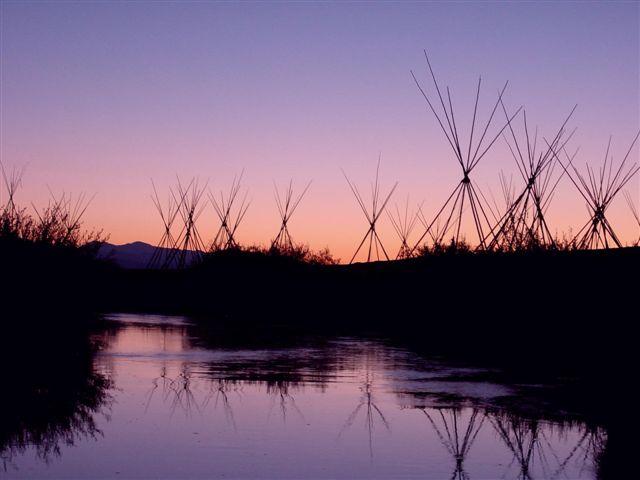
- The Nez Perce Camp: Walk through the original campsite where tepee poles stand as silent sentinels, marking the locations of the family dwellings that were attacked at dawn.
- Battlefield Overlooks: Experience the scale of the conflict from the Siege Area and the Overlook trails, providing bird's-eye views of the valley and the river crossing.
- Captured Mountain Howitzer: See the site where Nez Perce warriors successfully captured and dismantled a U.S. Army cannon, preventing its use against their families.
- The Siege Area: Explore the pine-covered hillside where the U.S. soldiers were pinned down by Nez Perce marksmen for nearly 24 hours following the initial attack.
- Camas Meadows: Observe the blue camas flowers that still bloom in the valley, a traditional food source that drew the Nez Perce to this site in 1877.
- Chief Joseph Memorial: Pay your respects at the 1928 monument dedicated to the brave warriors who fought to protect their people on these grounds.
- Museum and Film: View original artifacts from the battle and watch the powerful film "We, the Nez Perce," which provides the cultural and historical context for the war.
Getting There
Big Hole National Battlefield is located in a remote part of southwestern Montana, approximately 10 miles west of the small town of Wisdom.
By Car:
- From Wisdom, MT: Travel 10 miles west on Montana Highway 43. The park entrance is well-marked with National Park Service signage.
- From Missoula, MT: Travel south on US Highway 93 to the junction with MT Highway 43 at Lost Trail Pass. Turn east on Highway 43 and drive approximately 16 miles to the battlefield.
- From Butte, MT: Travel west on I-90 to Anaconda, then south on MT Highway 1 to MT Highway 43. Head west toward Wisdom.
- Main Entrance: The physical address for the visitor center is 16425 Highway 43 West, Wisdom, MT 59761.
Nearest Airports:
- Bert Mooney Airport (BTM): Located in Butte, approximately 75 miles to the east.
- Missoula Montana Airport (MSO): Approximately 110 miles to the north.
- Bozeman Yellowstone International Airport (BZN): Roughly 160 miles to the east.
Public Transit: There is no public transportation, bus service, or shuttle that serves the Big Hole National Battlefield. A personal or rental vehicle is essential for visiting the site. The drive into the Big Hole Valley is exceptionally scenic, passing through high mountain passes and vast agricultural ranch lands.
Parking: Ample free parking is available for cars and RVs at the main visitor center. A smaller parking area is located at the lower trailhead for the Nez Perce Camp.
For more detailed logistical information, visit the official park directions page.
Best Time to Visit
The Big Hole Valley is characterized by a high-altitude climate with extreme seasonal variations.
Spring (May - June): Spring arrives late in the valley. Snow can remain on the trails into June, and the weather is often wet and cool. However, this is when the valley is at its greenest, and the camas flowers begin to bloom in the meadows. Be prepared for muddy trail conditions during the early season thaw.
Summer (July - August): This is the peak visitor season. The weather is typically pleasant with daytime highs in the 70s and 80s, though afternoon thunderstorms are common. This is the best time for hiking all three of the park's trails and attending ranger-led programs. Summer also marks the anniversary of the battle (August 9-10), which often features special commemorative events led by the Nez Perce Tribe.
Fall (September - October): Many consider autumn to be the best time to visit. The air is crisp and clear, and the willow thickets along the river turn a vibrant gold. The summer crowds thin out, and the biting insects of the summer disappear. Nighttime temperatures can drop below freezing as early as September.
Winter (November - April): Winter in the Big Hole is harsh and long. Deep snow and sub-zero temperatures are common. While the grounds and trails remain open for snowshoeing and cross-country skiing, the visitor center may have seasonal hours or closures during extreme weather. The silence of the snow-covered battlefield provides a unique and somber perspective on the site.
Operating Hours: The park grounds and trails are open daily from sunrise to sunset. The visitor center and museum are typically open daily from 9:00 AM to 5:00 PM in the summer, with reduced hours or days in the winter. The site is closed on Thanksgiving, Christmas, and New Year's Day.
Activities and Adventures
A visit to Big Hole is primarily focused on historical exploration and contemplative walking.
Exploring the Trails: The park features three distinct hiking trails that allow you to experience the battle from different perspectives.
- The Nez Perce Camp Trail (1.6 miles round-trip): An easy, level walk that takes you across the river to the site of the attack.
- The Siege Area Trail (1.2 miles round-trip): A moderate hike that climbs the hillside to the area where the soldiers were entrenched.
- The Big Hole Overlook Trail (1.0 mile round-trip): A steeper climb that provides a panoramic view of the entire valley and the movement of the Nez Perce bands.
Museum and Park Film: The visitor center museum is a must-see. It features a collection of weapons, personal items, and traditional Nez Perce clothing found on the battlefield. The film "We, the Nez Perce" is exceptionally well-done, providing the nimí·pu· perspective on the conflict and their ongoing connection to the land.
Ranger Programs: During the summer months, rangers often provide guided walks to the Nez Perce Camp or the Siege Area. These talks offer deep insights into the tactics of the battle and the personal stories of the participants on both sides. Check the daily schedule at the visitor center desk.
Wildlife Watching and Birding: The Big Hole Valley is a haven for wildlife. You might spot sandhill cranes in the meadows, moose in the willow thickets, or bald eagles soaring above the river. The park is also home to various migratory songbirds during the summer.
Photography: The tepee poles silhouetted against the mountains, the captured mountain howitzer, and the vast vistas of the Big Hole Valley offer incredible subjects for photography. The "golden hour" at dawn or dusk is particularly poignant, reflecting the timing of the original attack.
Junior Ranger Program: Children can participate in an educational program that teaches them about the Nez Perce way of life and the importance of respect and remembrance. Completing the activities earns them a Junior Ranger badge.
History & Significance
The significance of Big Hole lies in its role as a witness to the tragic clash of cultures on the American frontier.
The Nez Perce Flight: In 1877, several bands of the Nez Perce refused to sign a treaty that would confine them to a small reservation in Idaho. Forced to flee, they embarked on an epic journey through Oregon, Idaho, Wyoming, and Montana, attempting to find peace. The Battle of the Big Hole was the largest and most desperate engagement of this conflict.
The Dawn Attack: Colonel John Gibbon led a force of 163 soldiers and 34 volunteers who attacked the sleeping camp at roughly 5:00 AM on August 9th. The initial assault was chaotic and brutal. While the soldiers initially captured the camp, the Nez Perce warriors quickly rallied, forcing the army into a desperate retreat to the "Siege Area" on the hillside.
Resilience and Survival: Despite their heavy losses, the Nez Perce managed to protect their remaining families and horses, continuing their flight for another two months before their final surrender at Bear Paw Battlefield, just 40 miles from the Canadian border. The heroism shown at Big Hole by figures like Chief Looking Glass and the warrior Ollokot is legendary in Nez Perce history.
A Place of Healing: For many years, the site was interpreted primarily as a military victory for the U.S. Army. In recent decades, the National Park Service has worked closely with the Nez Perce Tribe to ensure that the nimí·pu· story is told with accuracy and dignity. Today, the battlefield is a site for annual memorial ceremonies where descendants of both the Nez Perce and the soldiers gather in a spirit of reconciliation and remembrance.
Lodging and Camping
While there is no camping or lodging within the National Battlefield itself, the surrounding region offers several options.
In-Park Camping: Not available.
Nearby Accommodations: The town of Wisdom (10 miles east) has a few small motels and guesthouses. For a wider selection, the towns of Darby (45 miles west) or Dillon (65 miles southeast) provide more traditional hotel options.
Forest Service Camping: The Beaverhead-Deerlodge National Forest surrounds the park and offers several developed campgrounds within a 20-minute drive, including May Creek and Twin Lakes. These sites are typically open from June through September.
Dining: Wisdom has a few local cafes and a historic general store. There are no food services within the battlefield grounds. It is highly recommended to bring a picnic lunch and plenty of water for your visit.
Essential Information
Park Fees and Passes
- Entrance Fee: There is no fee to enter Big Hole National Battlefield or its visitor center. It is a free public facility.
- Passes: While the park is free, the visitor center bookstore sells "America the Beautiful" passes for use at fee-charging National Parks.
Safety Considerations
- Altitude and Weather: The battlefield is located at 6,300 feet. Be aware of the effects of altitude and the potential for rapid temperature changes. Carry layers and drink plenty of water.
- Respectful Conduct: The battlefield is a site of great tragedy and remains a sacred place to many. Please maintain a quiet and respectful demeanor. Do not climb on the tepee poles or monuments.
- Wildlife Awareness: Moose and bears are native to the area. Maintain a safe distance and do not approach or feed any wildlife.
- Stay on Trails: Stay on designated trails to protect the fragile meadow environment and to avoid getting lost in the dense willow thickets.
- Insects: Mosquitoes can be very thick in the valley during the early summer. Use effective repellent.
Services and Facilities
The Visitor Center and Museum are fully accessible and include restrooms and water fountains. The Siege Area and Overlook trails have significant grades and are not wheelchair accessible. The Nez Perce Camp trail is mostly level but features a gravel and dirt surface that may be difficult for some wheelchairs.
Contact
- Phone: 406-689-3155
- Email: [email protected]
- Official site: https://www.nps.gov/biho/index.htm
Big Hole National Battlefield is a place that stays with its visitors long after they leave. It is a landscape that demands quiet contemplation and a willingness to confront the difficult chapters of the American story. By honoring the memory of those who lived and died here, we gain a deeper appreciation for the enduring spirit of the Nez Perce and the complex journey toward a shared national future.
Park Overview
Detailed overview of the park's history, geography, and main attractions will go here. This section provides essential background information for visitors.
Top Hikes
- Iconic Summit TrailDifficulty: Strenuous • Distance: 8 miles round trip
Loading reviews…
- Waterfall LoopDifficulty: Moderate • Distance: 3 miles loop
Loading reviews…
- Lakeside WalkDifficulty: Easy • Distance: 1.5 miles out & back
Loading reviews…
Recommended Hiking Gear
Gear up for your adventure with our trusted partners. These items help support the site at no extra cost to you!

Places to Stay
- Historic Park LodgeBook early!Type: Lodge
Loading reviews…
- Riverside CampgroundReservations required.Type: Campground
Loading reviews…
- Gateway Town Hotel15 miles from entrance.Type: Nearby Hotel
Loading reviews…