Chesapeake Bay
Fast Facts
Chesapeake Bay
Spanning over 64,000 square miles across six states and the District of Columbia, the Chesapeake Bay is the largest and most biologically diverse estuary in the United States. Its name, derived from the Algonquian word Chesepiooc, translates to "Great Shellfish Bay," a fitting tribute to the thousands of years of human reliance on its abundant resources. The bay is a study in hydrological complexity, where the freshwater of over 150 tributary rivers—including the Susquehanna, Potomac, and James—mixes with the saltwater of the Atlantic Ocean to create a vibrant "nursery" for thousands of species of plants and animals.
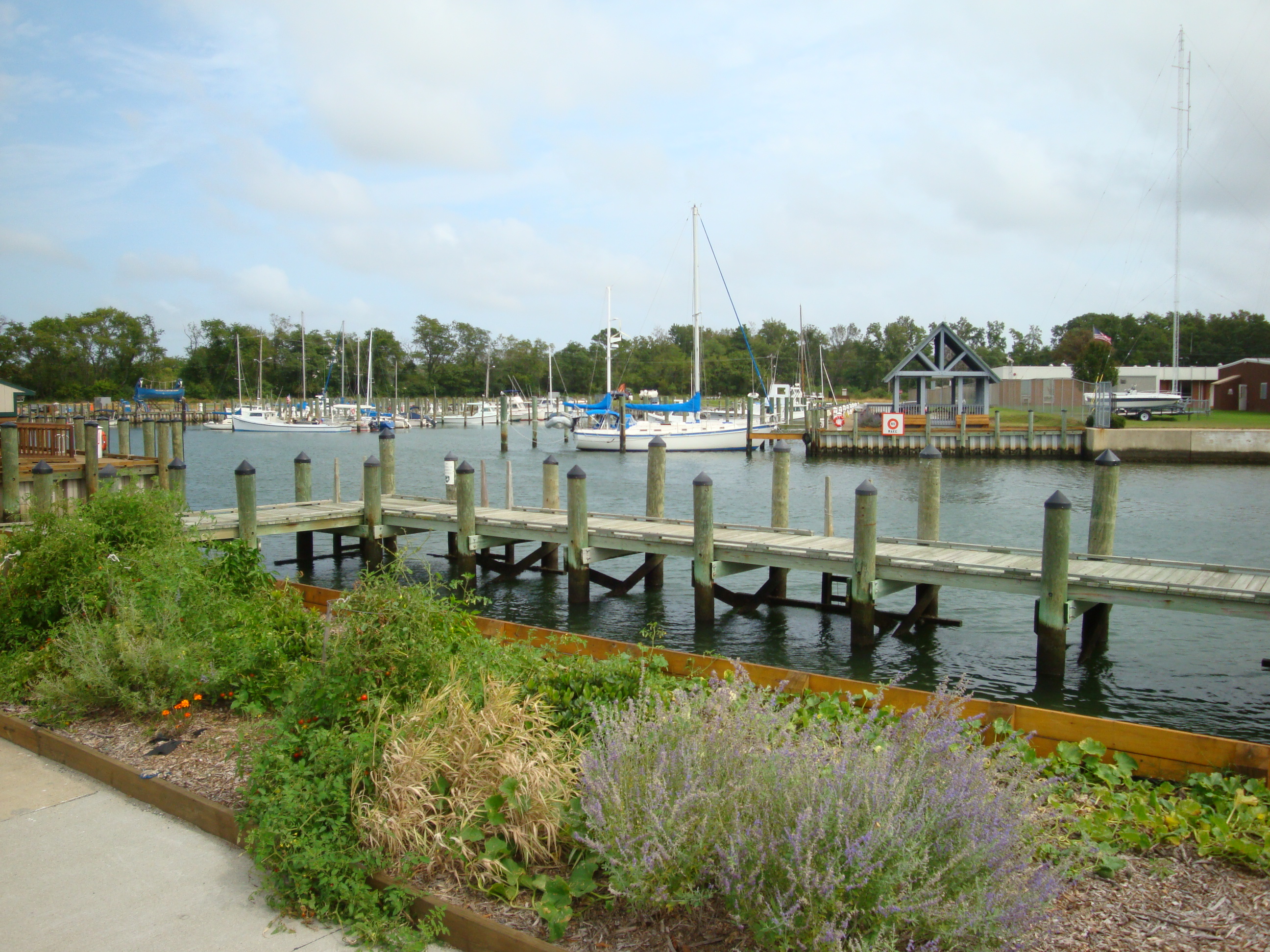
The National Park Service, through the Chesapeake Bay Program Office, coordinates a unique multi-state partnership designed to connect people to the bay and inspire its long-term stewardship. Unlike a traditional single-boundary park, the "park" of the Chesapeake is a massive network of over 170 "Chesapeake Bay Gateways." These partner sites include state and local parks, national wildlife refuges, historic ports, and maritime museums that together tell the story of the bay’s 10,000-year human history and its ongoing environmental restoration. From the fossil-rich cliffs of Calvert County to the working watermen’s communities of Tangier Island, the bay offers an unparalleled landscape for exploration, education, and recreation.
Visiting the Chesapeake Bay is an invitation to engage with a "world of water." Whether you are kayaking the silent salt marshes of the Eastern Shore, watching a bald eagle dive for fish at Great Falls, or exploring the historic docks of Annapolis, the bay provides a profound connection to the rhythms of the Mid-Atlantic. It is a place where the history of the American Indian paramount chiefdoms, the arrival of European colonists, and the modern pursuit of environmental resilience all converge in a landscape of endless horizons and intricate waterways.
Key Highlights
- Chesapeake Bay Gateways Network: Access the bay through over 170 partner sites, ranging from the Susquehanna River in New York to the Virginia Capes.
- World-Class Paddling: Explore thousands of miles of designated water trails, featuring diverse environments from urban riverfronts to remote coastal lagoons.
- Tangier and Smith Islands: Visit the remote, boat-access-only communities where the traditional culture and unique dialects of the Chesapeake watermen are still preserved.
- Calvert Cliffs: Search for prehistoric shark teeth and fossils along the spectacular 100-foot-high cliffs on the western shore of the bay.
- Annapolis and Baltimore Harbor: Experience the vibrant maritime history and contemporary culture of the bay’s major historic ports and capital cities.
- Birdwatching and Wildlife: Spot ospreys, bald eagles, great blue herons, and thousands of migratory waterfowl that rely on the bay’s rich riparian ecosystems.
- Chesapeake Bay Program: Learn about one of the world's most ambitious environmental restoration efforts, focused on improving water quality and protecting the bay’s iconic blue crab and oyster populations.
Getting There
Because the Chesapeake Bay is a massive regional resource, access is available through hundreds of entry points across Maryland, Virginia, Delaware, Pennsylvania, New York, West Virginia, and the District of Columbia.
Main Program Office:
- The NPS Chesapeake Bay Office is located at 1750 Forest Drive, Suite 140, Annapolis, MD 21401. This office serves as the administrative hub for the Gateways network.
Primary Hubs for Visitors:
- Annapolis, MD: Often called the "Sailing Capital of the World," Annapolis is a central hub for bay history and boating.
- Baltimore, MD: The Inner Harbor provides urban access to the bay’s history via the National Aquarium and historic ships.
- Hampton Roads, VA: The southern entrance to the bay, featuring major sites like Fort Monroe and the Virginia Institute of Marine Science.
- Eastern Shore (MD/VA): Accessible via the Chesapeake Bay Bridge or the Bridge-Tunnel, offering the most undeveloped and natural bay experiences.
Nearest Airports:
- Baltimore/Washington International (BWI): Centrally located and the primary gateway for Maryland and D.C. access points.
- Ronald Reagan Washington National (DCA): Ideal for exploring the bay’s tributaries within the nation’s capital.
- Norfolk International Airport (ORF): Convenient for the southern bay and the Virginia Eastern Shore.
Public Transit: While urban areas like Baltimore and D.C. are served by robust Metro and bus systems, a personal or rental vehicle is necessary for reaching most of the bay's remote state park and wildlife refuge partners. Numerous private and municipal ferries provide access to the bay’s inhabited islands.
Navigation Tip: Visitors should utilize the "Chesapeake Bay Gateways" website and app to find specific partner sites, boat ramps, and water trail maps.
For detailed maps and a full list of the 170+ partner sites, visit the official NPS Chesapeake Bay site.
Best Time to Visit
The Chesapeake Bay experiences a humid temperate climate, with four distinct seasons that dramatically change the way you interact with the water.
Spring (April - June): This is a season of awakening and high energy. Migratory birds return in massive numbers, and the bay’s famous "rockfish" (striped bass) season begins. Temperatures are typically mild (50s to 70s), but the water remains cold through May. This is an excellent time for paddling and visiting the bay’s many maritime museums.
Summer (July - August): Summer is the peak season for recreational boating, sailing, and swimming. The weather is hot and very humid, with temperatures reaching the 90s. The bay is at its most socially vibrant, with numerous waterfront festivals and crab feasts. Afternoon thunderstorms are common and can move in quickly over the open water.
Fall (September - November): Many consider autumn to be the definitive time to visit. The air is crisp and clear, the summer humidity fades, and the fall foliage along the riverbanks is spectacular. This is the peak season for oyster harvesting and for viewing the spectacular fall bird migration. Temperatures range from the 40s to the 70s.
Winter (December - March): Winter turns the bay into a quiet and solitary landscape. While the water rarely freezes completely, the winds can be biting and the conditions for small boats are hazardous. Winter is an excellent time for birdwatching from the shore, as thousands of tundra swans and Canada geese arrive from the north.
Operating Hours: While the bay itself is always "open," the individual Gateway partner sites (state parks, refuges, museums) have their own specific operating hours and seasonal schedules. Always check the website of the specific site you plan to visit.
Activities and Adventures
The Chesapeake Bay offers a vast array of recreational opportunities that highlight its unique land-and-sea geography.
Paddling (Kayaking and Canoeing): This is the heart of the bay experience. The Gateways network features over 2,000 miles of water trails. You can explore the sheltered creeks of the Eastern Shore, the dramatic fall line at Great Falls on the Potomac, or the urban waterfronts of the major cities. Numerous outfitters provide rentals and guided eco-tours.
Boating and Sailing: From traditional "skipjacks" to modern powerboats, the bay is a mariner’s paradise. Sailing is particularly popular in the central bay around Annapolis and St. Michaels. Thousands of boat ramps and marinas provide access for private vessels.
Fishing and Shellfishing: Angling is a way of life on the Chesapeake. The bay is world-famous for its striped bass, blue crabs, and oysters. You can fish from the surf, from a pier, or from a charter boat. A valid saltwater fishing license from the relevant state (MD or VA) is required.
Wildlife and Birdwatching: The Chesapeake is part of the Atlantic Flyway, making it one of the best birding locations in the U.S. Sites like Blackwater National Wildlife Refuge and Eastern Neck NWR offer world-class opportunities for seeing bald eagles, ospreys, and various waterfowl. The bay’s waters are also home to dolphins, rays, and numerous fish species.
Maritime History Exploration: Visit historic ports and museums like the Chesapeake Bay Maritime Museum in St. Michaels or the Mariners' Museum in Newport News. These sites tell the story of the "watermen"—the families who have harvested the bay’s resources for generations—and the evolution of shipbuilding in the region.
Beachcombing and Fossil Hunting: The western shore of the bay, particularly at Calvert Cliffs State Park and Flag Ponds Nature Park, is a world-class destination for finding Miocene-era fossils and the teeth of the giant Megalodon shark.
Junior Ranger Program: Children can participate in an educational program that focuses on bay ecology, the water cycle, and the importance of environmental stewardship. Completing the activities earns them a Chesapeake Bay Junior Ranger badge.
History & Ecology
The story of the Chesapeake is a narrative of biological richness and human impact.
The Formation of the Bay: The current bay was formed approximately 10,000 years ago as the melting glaciers of the last Ice Age caused sea levels to rise, flooding the Susquehanna River valley. This created a "drowned river valley" estuary. The bay's shallow depth (averaging only 21 feet) is the key to its immense productivity, allowing sunlight to reach the bottom and fuel the growth of underwater grasses.
10,000 Years of Human Connection: Before European arrival, the bay was the homeland of hundreds of American Indian communities, including the Powhatan, Nanticoke, and Susquehannock. These groups developed sophisticated societies built around the bay’s resources. In 1608, Captain John Smith mapped the bay, providing the first detailed European descriptions of its people and geography.
The "Great Shellfish Bay": For centuries, the Chesapeake was defined by its massive oyster reefs, which were so large they were considered hazards to navigation. These oysters were the "lungs" of the bay, capable of filtering the entire volume of water in just a few days. Over-harvesting and pollution in the 20th century led to a dramatic decline in the oyster population, which remains a primary focus of restoration efforts today.
A Model for Restoration: The Chesapeake Bay Program, established in 1983, is a world-renowned model for multi-jurisdictional environmental cooperation. The program works to reduce nutrient runoff, restore wetlands, and protect the habitats of the bay’s iconic species. The return of the bald eagle and the improvement in underwater grass acreage are powerful signs of the bay’s resilience and the success of the restoration efforts.
Lodging and Camping
Staying along the Chesapeake Bay requires choosing between the primitive experience of the shoreline or the comfort of the historic port towns.
In-Park Camping: While the NPS office does not manage campgrounds, dozens of state and local park partners offer developed campgrounds for tents and RVs. Sites like Janes Island State Park and Assateague Island National Seashore (on the bay side) are highly popular.
Nearby Accommodations: The bay is surrounded by thousands of lodging options, ranging from luxury historic inns in Annapolis and St. Michaels to modern waterfront hotels in Baltimore and Norfolk. The Eastern Shore is famous for its charming "bed and breakfast" culture.
Dining: The Chesapeake region is a culinary destination, world-famous for its seafood. You must try the Maryland blue crab (steamed with Old Bay seasoning), soft-shell crabs, and Chesapeake oysters. Every waterfront town features numerous seafood shacks, crab houses, and fine dining establishments.
Essential Information
Park Fees and Passes
- Entrance Fee: There is no fee to "enter" the Chesapeake Bay. However, many Gateway partner sites (state parks, museums, etc.) charge their own admission or parking fees.
- Passes: The NPS office sells "America the Beautiful" passes for use at fee-charging National Parks.
Safety Considerations
- Water Safety: The Chesapeake is a large and powerful body of water. Always wear a life jacket (PFD) at all times. Be aware of your skill level and the weather forecast. Avoid the open bay in high winds.
- Sun and Hydration: The reflection from the water intensifies the sun’s rays. Drink plenty of water and wear high-SPF sunscreen and a hat.
- Biting Insects: Mosquitoes, ticks, and "no-see-ums" can be severe in the marshy areas from spring through fall. Use insect repellent and wear protective clothing.
- Environmental Stewardship: Practice "Leave No Trace" principles. Do not disturb wildlife or remove artifacts. Use "pump-out" stations for boat waste to protect water quality.
- Stingrays and Jellyfish: During the summer, be mindful of cownose rays and sea nettles (stinging jellyfish) when swimming or wading in the bay.
Services and Facilities
The NPS Chesapeake Bay Office in Annapolis is fully accessible. Facilities along the bay vary greatly; urban areas have full services, while remote water trail segments may have no facilities for many miles. Always plan your supply and restroom stops in advance using the Gateways maps.
Contact
- Phone: 410-260-2470
- Email: [email protected]
- Official site: https://www.nps.gov/cbpo/index.htm
The Chesapeake Bay is a place that reminds us of the interconnectedness of all life. By exploring its shores and navigating its waters, visitors can gain a deeper appreciation for the fragile beauty and profound history of the nation’s greatest estuary. It is a destination of endless discovery, preserved through the collective spirit of the people who call the Chesapeake home.
Park Overview
Detailed overview of the park's history, geography, and main attractions will go here. This section provides essential background information for visitors.
Top Hikes
- Iconic Summit TrailDifficulty: Strenuous • Distance: 8 miles round trip
Loading reviews…
- Waterfall LoopDifficulty: Moderate • Distance: 3 miles loop
Loading reviews…
- Lakeside WalkDifficulty: Easy • Distance: 1.5 miles out & back
Loading reviews…
Recommended Hiking Gear
Gear up for your adventure with our trusted partners. These items help support the site at no extra cost to you!

Places to Stay
- Historic Park LodgeBook early!Type: Lodge
Loading reviews…
- Riverside CampgroundReservations required.Type: Campground
Loading reviews…
- Gateway Town Hotel15 miles from entrance.Type: Nearby Hotel
Loading reviews…