Canyon de Chelly National Monument
Fast Facts
Canyon de Chelly National Monument
In the heart of the Navajo Nation in northeastern Arizona, Canyon de Chelly National Monument preserves a landscape that is both a geological wonder and a living cultural sanctuary. Spanning nearly 84,000 acres, the monument is a world of sheer sandstone cliffs, verdant canyon floors, and ancient cliff dwellings that have witnessed nearly 5,000 years of continuous human habitation—longer than anywhere else on the Colorado Plateau. Unlike most National Park units, Canyon de Chelly is located entirely on Navajo tribal trust land and remains home to Diné (Navajo) families who continue to farm, raise livestock, and live within its walls.
The monument is composed of three primary canyons: Canyon de Chelly, Canyon del Muerto, and Monument Canyon. These canyons were carved over millions of years by the waters of the Chinle Wash, which flows from the Chuska Mountains to the east. The results are vertical walls that rise up to 1,000 feet, providing a natural fortress that has sheltered diverse groups over the millennia—from the early Archaic people and the Ancestral Puebloans to the Hopi and the modern Navajo. The Navajo people call this place Tsegi, meaning "within the rocks," and it remains a site of deep spiritual and historical significance to their culture.
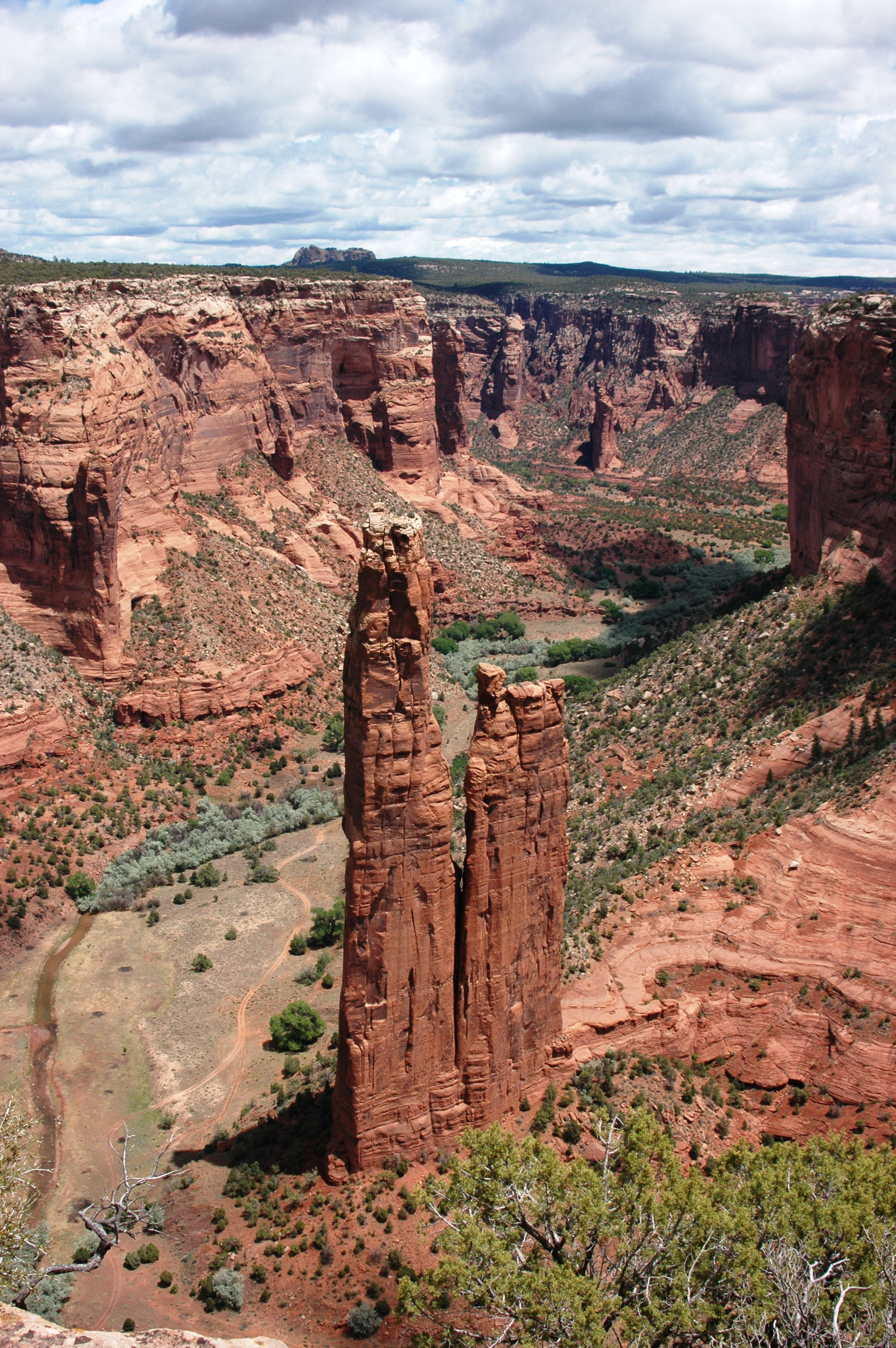
Visiting Canyon de Chelly is a unique experience that requires a shift in perspective. While the rim drives offer spectacular bird’s-eye views of the ruins and the iconic 750-foot Spider Rock, the true heart of the monument lies on the canyon floor. Access to the interior is restricted and requires a Navajo guide or participation in a ranger-led program, ensuring that the privacy of the residents and the integrity of the archaeological sites are respected. Whether you are peer into the depths from an overlook or navigating the sandy wash in a guided jeep tour, the monument provides a profound connection to the enduring relationship between people and the land.
Key Highlights
- Spider Rock: Witness one of the most iconic geological features in the Southwest, a freestanding 750-foot sandstone spire that is the legendary home of Spider Woman.
- White House Ruin: View one of the largest and best-preserved Ancestral Puebloan cliff dwellings, featuring a two-story masonry structure built into a massive alcove.
- North and South Rim Drives: Explore ten designated overlooks that provide panoramic views of the canyons, the residents’ farms, and the ancient ruins.
- Guided Canyon Tours: Join a Navajo guide for a jeep, horseback, or hiking tour of the canyon floor to see petroglyphs and experience the living culture firsthand.
- Mummy Cave: See the spectacular multi-story masonry of the Great House at Mummy Cave, one of the most significant archaeological sites in the region.
- Antelope House Ruin: Observe the intricate stonework and vibrant petroglyphs at this site, named for the depictions of antelope found on the canyon wall.
- Junior Ranger Program: An educational program for children that focuses on Navajo culture, archaeology, and the importance of respecting sacred landscapes.
Getting There
Canyon de Chelly is located in northeastern Arizona, adjacent to the town of Chinle on the Navajo Nation.
By Car:
- From Flagstaff, AZ: Travel east on I-40 to the town of Gallup, NM, or the town of Winslow, AZ. From Winslow, take Highway 87 north to Highway 264, then follow Highway 191 north to Chinle. The drive is approximately 3 to 3.5 hours.
- From Gallup, NM: Head north on Highway 491 to Highway 264, then west to Highway 191 North. The drive is approximately 1.5 to 2 hours.
- From Monument Valley: Follow Highway 163 south to Highway 160, then Highway 191 south to Chinle.
- Main Welcome Center: Located 3 miles east of Highway 191 on Indian Route 7, Chinle, AZ 86503.
Nearest Airports:
- Gallup Municipal Airport (GUP): Located in Gallup, NM, offering limited regional flights.
- Flagstaff Pulliam Airport (FLG): Approximately 3.5 hours to the west.
- Phoenix Sky Harbor (PHX) and Albuquerque Sunport (ABQ): Both are major hubs located approximately 4.5 to 5 hours from the monument.
Public Transit: There is no direct public transportation or shuttle service to the monument. A personal or rental vehicle is essential for navigating the 35 miles of rim drives and reaching the welcome center.
Note on Navigation: When traveling within the Navajo Nation, be mindful that cell service can be spotty. It is recommended to download maps and check fuel levels before leaving major towns. Most roads are paved, but unmaintained side roads can be hazardous.
For more detailed maps and coordinates, visit the official park directions page.
Best Time to Visit
The high-desert climate at 5,500 feet means that weather can vary wildly by season and even by hour.
Spring (April - June): Spring is a season of transition and often brings high winds and dust storms. Temperatures are mild (50s to 70s), but the canyon floor can experience flooding during the early spring thaw. This is a quiet time to visit before the summer heat.
Summer (July - August): Summers are hot and dry, with temperatures frequently reaching the 90s and 100s. Late summer brings the "monsoon" season, characterized by sudden and violent afternoon thunderstorms that can cause flash flooding in the canyons. It is essential to carry plenty of water and wear sun protection.
Fall (September - October): Many consider autumn to be the ideal time to visit. The heat of summer fades into crisp, clear days with temperatures in the 60s and 70s. The cottonwood trees on the canyon floor turn a vibrant gold, providing a stunning contrast to the red cliffs. This is the best time for photography.
Winter (November - March): Winter is cold and often characterized by biting winds. Daytime highs range from the 40s to the 60s, while nights can drop well below freezing. Snow is common, often blanketing the canyon in 1-4 inches of white. While the rim drives remain open, the trails and canyon floor may be icy or muddy.
Operating Hours: The North and South Rim drives and overlooks are open daily from sunrise to sunset year-round. The Welcome Center is open daily from 8:00 AM to 5:00 PM, except for major winter holidays. No entrance fee is required to visit the monument.
Activities and Adventures
Canyon de Chelly offers a range of ways to engage with its history and landscape, from casual viewing to immersive guided exploration.
Driving the Rims: Most visitors experience the park via the two rim drives. The South Rim Drive (16 miles) features seven overlooks, including the spectacular Spider Rock Overlook. The North Rim Drive (15 miles) offers three overlooks that provide the best views of the cliff dwellings in Canyon del Muerto, including Antelope House and Mummy Cave.
Exploring the Interior (Guided Only): To enter the canyon floor, you must be accompanied by a Navajo guide or a park ranger. Several Navajo-owned companies offer jeep tours, horseback excursions, and guided hikes. These tours provide an intimate look at the petroglyphs and the daily lives of the Navajo families who live in the canyon. It is a highly recommended and essential part of a complete visit.
The White House Trail: This is the only trail that visitors can hike without a guide. The 2.5-mile round-trip trail descends 600 feet from the South Rim to the canyon floor, leading to the White House Ruin. It is a moderate to strenuous hike due to the elevation change and the heat. Note: Always check the status of the trail at the Welcome Center, as it can close due to flooding or maintenance.
Photography: Canyon de Chelly is a world-class destination for photographers. The "golden hour" at sunrise and sunset provides the best light for the sandstone walls. Spider Rock at sunset and the White House Ruin in the morning light are two of the most iconic shots.
Ranger Programs: During the summer months, rangers often lead free guided hikes and offer cultural talks at the Welcome Center. These programs provide deep insights into the archaeology and history of the monument.
Junior Ranger Program: Children can participate in an educational program that teaches them about the three distinct cultures that have called the canyon home: the Ancestral Puebloans, the Hopi, and the Navajo.
History & Significance
The story of Canyon de Chelly is a 5,000-year narrative of human endurance and cultural continuity.
Geological Layers: The canyons are carved primarily into De Chelly Sandstone, a 250-million-year-old formation of fossilized sand dunes. The spectacular red, tan, and orange hues of the rock are a result of iron oxide minerals. The verticality of the walls is maintained because the sandstone is capped by a layer of harder Shinarump Conglomerate.
The First Inhabitants: The earliest evidence of human activity dates back to the Archaic period (2500 BCE). These nomadic groups utilized the natural rock shelters for seasonal camps. Later, around 200 CE, the Ancestral Puebloans (Basketmakers) began building permanent villages and developing agriculture in the fertile washes.
Cliff Dwellings and Great Houses: Between 750 and 1300 CE, the Ancestral Puebloan culture reached its height in the canyon. They built complex masonry dwellings in the cliff alcoves and on the canyon floor, including the White House and Mummy Cave. Around 1300 CE, for reasons that remain a subject of debate, the people migrated away from the canyon, likely joining other Pueblo groups to the south and east.
The Navajo (Diné) Era: The Navajo arrived in the region by the 1700s, bringing with them a culture of pastoralism and weaving. They utilized the canyon as a natural fortress during periods of conflict with Spanish and later American forces. In 1864, the U.S. Army, led by Kit Carson, entered the canyon and forced thousands of Navajo into exile—an event known as "The Long Walk." The Navajo were allowed to return to their homeland in 1868, and they have maintained their presence in the canyon ever since.
Lodging and Camping
Staying at Canyon de Chelly allows for an immersive experience in the heart of the Navajo Nation.
In-Park Camping:
- Cottonwood Campground: Located near the Welcome Center, this is the only campground within the monument. It is managed by the Navajo Parks and Recreation Department and offers sites for tents and RVs (no hookups). It is typically open from April through October.
Nearby Accommodations:
- Thunderbird Lodge: Located within the monument boundaries, this historic lodge is Navajo-owned and offers rooms, a restaurant, and guided tours.
- Chinle, AZ: The town of Chinle features several modern motels and guesthouses located just minutes from the park entrance.
Dining: The Thunderbird Lodge features a full-service cafeteria. The town of Chinle has several fast-food restaurants, a grocery store, and local cafes. There are no food services at the Welcome Center or at the overlooks.
Essential Information
Park Fees and Passes
- Entrance Fee: There is no fee to enter Canyon de Chelly National Monument.
- Guide Fees: A fee is required for all guided tours on the canyon floor, paid directly to the authorized Navajo guide companies.
- Passes: While the park is free, the welcome center bookstore sells "America the Beautiful" passes for use at other National Park sites.
Safety Considerations
- Heat and Hydration: The Arizona sun is intense. Carry and drink at least one gallon of water per person per day when hiking or on tours.
- Flash Floods: Do not enter the canyon interior or the White House Trail if rain is in the forecast. Flash floods can travel for miles and occur with little warning.
- Historic Preservation: Help protect the ruins and petroglyphs. Do not touch masonry walls or rock art. Do not remove any artifacts, including pottery shards or stones.
- Respect Privacy: Remember that the canyon is a home. Do not enter residential areas, farms, or private property without permission. Ask permission before photographing local residents.
- Wildlife: Be mindful of rattlesnakes and scorpions, which are native to the area. Stay on developed paths and trails.
Services and Facilities
The Welcome Center is fully accessible and includes restrooms, a bookstore, and exhibits. Most of the rim overlooks are wheelchair accessible via paved paths. The White House Trail and the guided tours of the canyon floor are not suitable for wheelchairs or strollers due to steep grades and sandy terrain.
Contact
- Phone: 928-674-5500
- Email: [email protected]
- Official site: https://www.nps.gov/cach/index.htm
Canyon de Chelly National Monument is a place that challenges us to look beyond the surface of the landscape to see the deep layers of human history written in the rock. By exploring its rims and canyon floor, visitors can gain a deeper appreciation for the resilience of the Diné people and the enduring power of the Southwest’s ancient past. It is a destination of profound beauty and quiet majesty in the heart of the Navajo Nation.
Park Overview
Detailed overview of the park's history, geography, and main attractions will go here. This section provides essential background information for visitors.
Top Hikes
- Iconic Summit TrailDifficulty: Strenuous • Distance: 8 miles round trip
Loading reviews…
- Waterfall LoopDifficulty: Moderate • Distance: 3 miles loop
Loading reviews…
- Lakeside WalkDifficulty: Easy • Distance: 1.5 miles out & back
Loading reviews…
Recommended Hiking Gear
Gear up for your adventure with our trusted partners. These items help support the site at no extra cost to you!

Places to Stay
- Historic Park LodgeBook early!Type: Lodge
Loading reviews…
- Riverside CampgroundReservations required.Type: Campground
Loading reviews…
- Gateway Town Hotel15 miles from entrance.Type: Nearby Hotel
Loading reviews…